Oyster mushrooms are a distinctive and fascinating type of fungi that grow naturally on hardwood trees and logs. They are known for their unique shape and ability to break down dead wood, playing an important role in the forest ecosystem. With their delicate appearance and mild flavor, they have become a favorite among foragers and home cooks alike.
What Are Oyster Mushrooms?
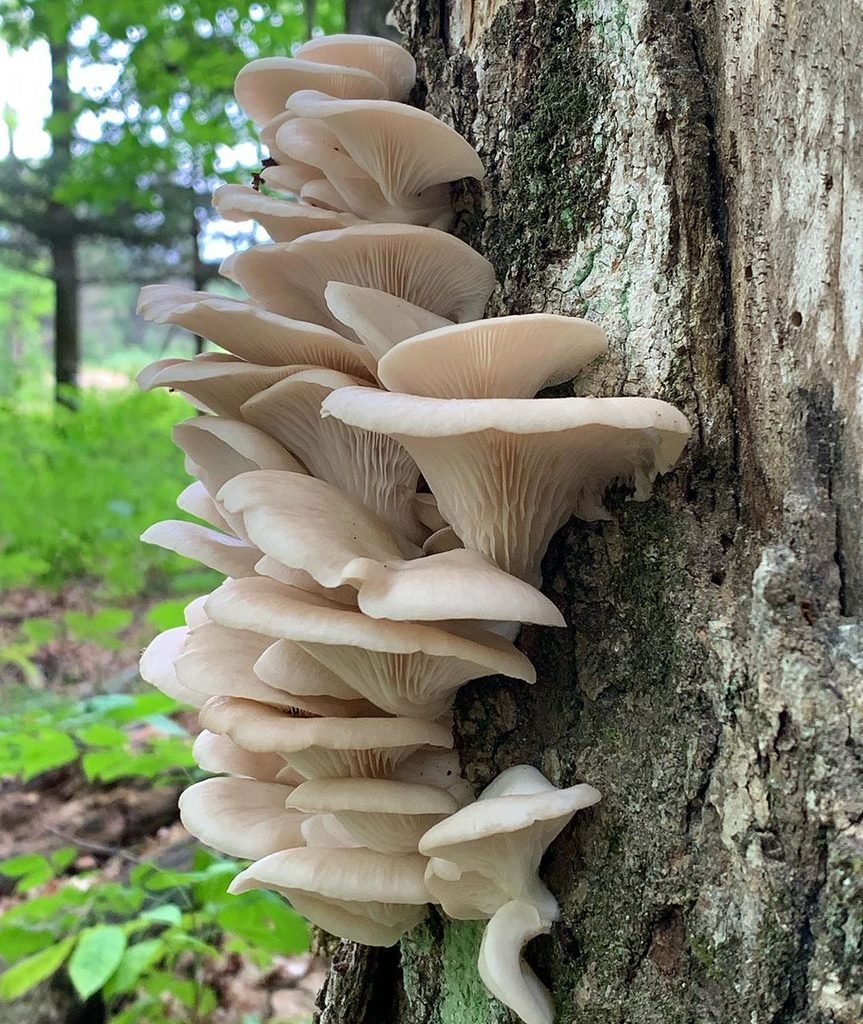
Oyster mushrooms are named for their resemblance to the shape of an oyster shell. They typically grow in shelf-like clusters on decaying wood. Scientifically, they belong to the genus Pleurotus, and the most well-known species is Pleurotus ostreatus. These mushrooms have a broad, fan-shaped cap that ranges from white to light gray or brown, depending on the specific variety and growing conditions.
Where Do They Grow?
These mushrooms are found in woodlands across the world. They are a common sight on dead or dying trees, particularly hardwoods like cottonwood, alder, elm, or maple. Oyster mushrooms feed on the wood, breaking it down and returning nutrients to the soil. They thrive in cool, humid conditions and often appear after a good rain. While they can be found growing on standing trees, they are most plentiful on fallen logs and stumps.
How to Identify Oyster Mushrooms
When identifying oyster mushrooms, several key features stand out. They grow in layered clusters that overlap like roof shingles. The caps are smooth and fan-shaped, with gills that run down the stem rather than stopping at the cap’s edge. The gills are typically white or cream-colored and are clearly visible from underneath.
However, caution is essential. Some wild mushrooms can look similar, so it is important to learn from an expert before foraging. If you are ever unsure about a mushroom’s identity, it is safest not to consume it.
Why They Are Important
Oyster mushrooms are more than just a culinary ingredient. They are vital decomposers in nature, helping to break down dead wood and recycle nutrients. They also have a fast growth rate, making them a popular choice for sustainable cultivation. Many people now grow them at home using kits or on pasteurized straw, turning a simple project into a rewarding experience.
Culinary and Nutritional Uses
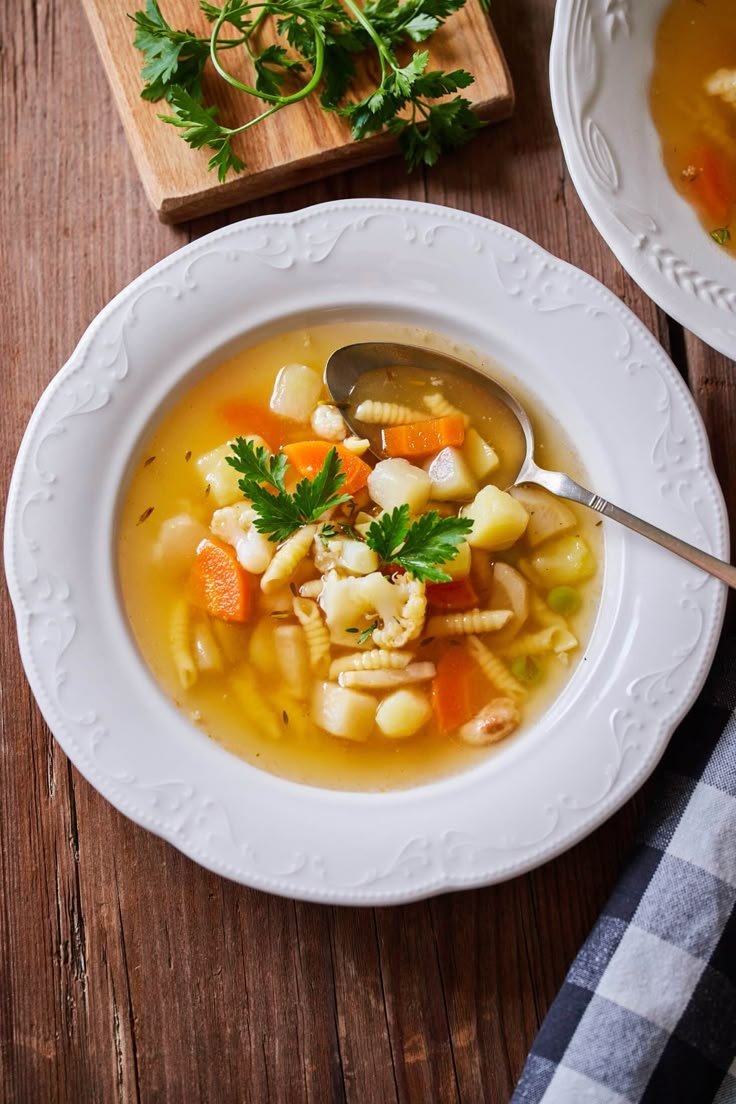
In the kitchen, oyster mushrooms are prized for their velvety texture and subtle, savory flavor. They can be sautéed, roasted, or added to soups and stir-fries. They are also low in calories and a good source of fiber, vitamins, and minerals. Because they are so versatile, they can easily replace meat in many recipes.
Final Thoughts
Oyster mushrooms are a remarkable example of nature’s ability to create both beauty and function. Whether you spot them during a forest walk or decide to grow them yourself, they offer a fascinating glimpse into the world of fungi. As with any wild food, always prioritize safety and proper identification, and enjoy the experience of discovering these unique mushrooms.
Have you ever seen oyster mushrooms growing in the wild?