Here’s Why Choosing What You Focus On Is One of the Most Powerful Things You Can Do for Your Mind
Every day, your mind is flooded with information. Notifications, conversations, headlines, memories, and worries all compete for your attention. But here is the truth: you cannot process everything. Your brain is designed to filter. The question is, who is doing the filtering? When you take control of what you focus on, you take control of your mental state.
The Brain Is a Filter, Not a Recorder
Your brain receives millions of bits of sensory information every second. It cannot possibly process all of it. So it prioritizes. It focuses on what it believes is important based on your past experiences, your current emotions, and your habits. This is why two people can experience the same event and remember it completely differently. They focused on different things.
Focus Shapes Your Reality
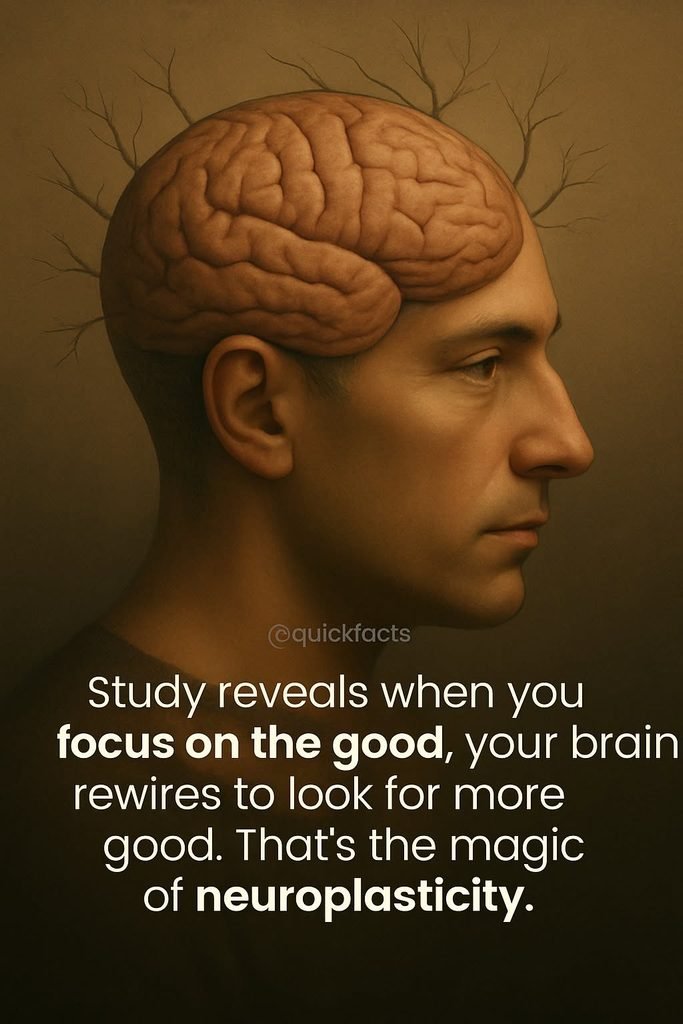
What you focus on grows. If you focus on problems, you will see more problems. If you focus on opportunities, you will start to notice them everywhere. This is not magic. It is how attention works. The things you consistently pay attention to become the dominant themes in your thoughts and feelings. Over time, they shape your beliefs and your actions.
The Power of Selective Attention
Psychologists call this selective attention. It is the ability to focus on one thing while ignoring others. When you choose to focus on what is good, what is possible, and what you can control, you are training your brain to filter out the noise. You are not ignoring reality. You are choosing which part of reality to engage with.
Practical Ways to Train Your Focus
You can build the habit of directing your focus. Here are a few simple practices.
Start your day with intention. Before you pick up your phone, decide what you want to focus on. Choose one word or one goal for the day.
Limit your input. You do not need to read every headline or scroll through every feed. Protect your mental space by choosing what you consume.
Practice gratitude. Each night, write down three things that went well. This trains your brain to look for the good.
Reframe challenges. When something goes wrong, ask yourself, what can I learn from this? This shifts your focus from blame to growth.
Why This Matters for Your Mental Health
Anxiety and depression often thrive on rumination. That is when your mind gets stuck on negative thoughts. By deliberately choosing what you focus on, you interrupt that cycle. You give your mind a different path to follow. This does not mean ignoring pain or pretending everything is fine. It means choosing not to let pain be the only thing you see.
The Bottom Line
You cannot control everything that happens to you. But you can control where you place your attention. That is one of the most powerful tools you have. Focus on what builds you up. Focus on what you can change. Focus on what brings you peace. Your mind will thank you.
What will you choose to focus on today? Share your thoughts in the comments below.