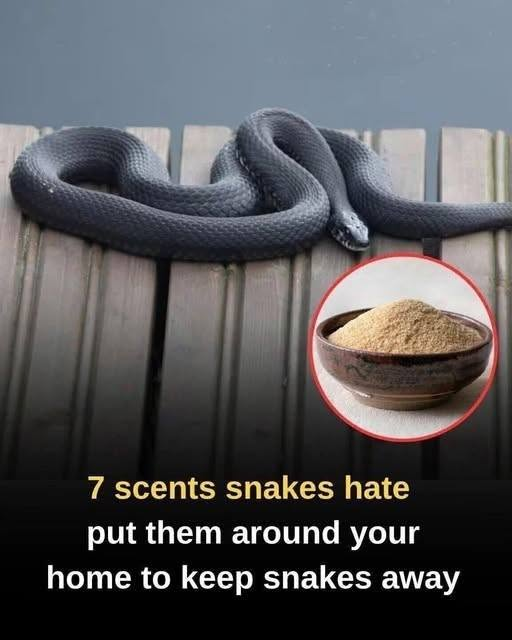
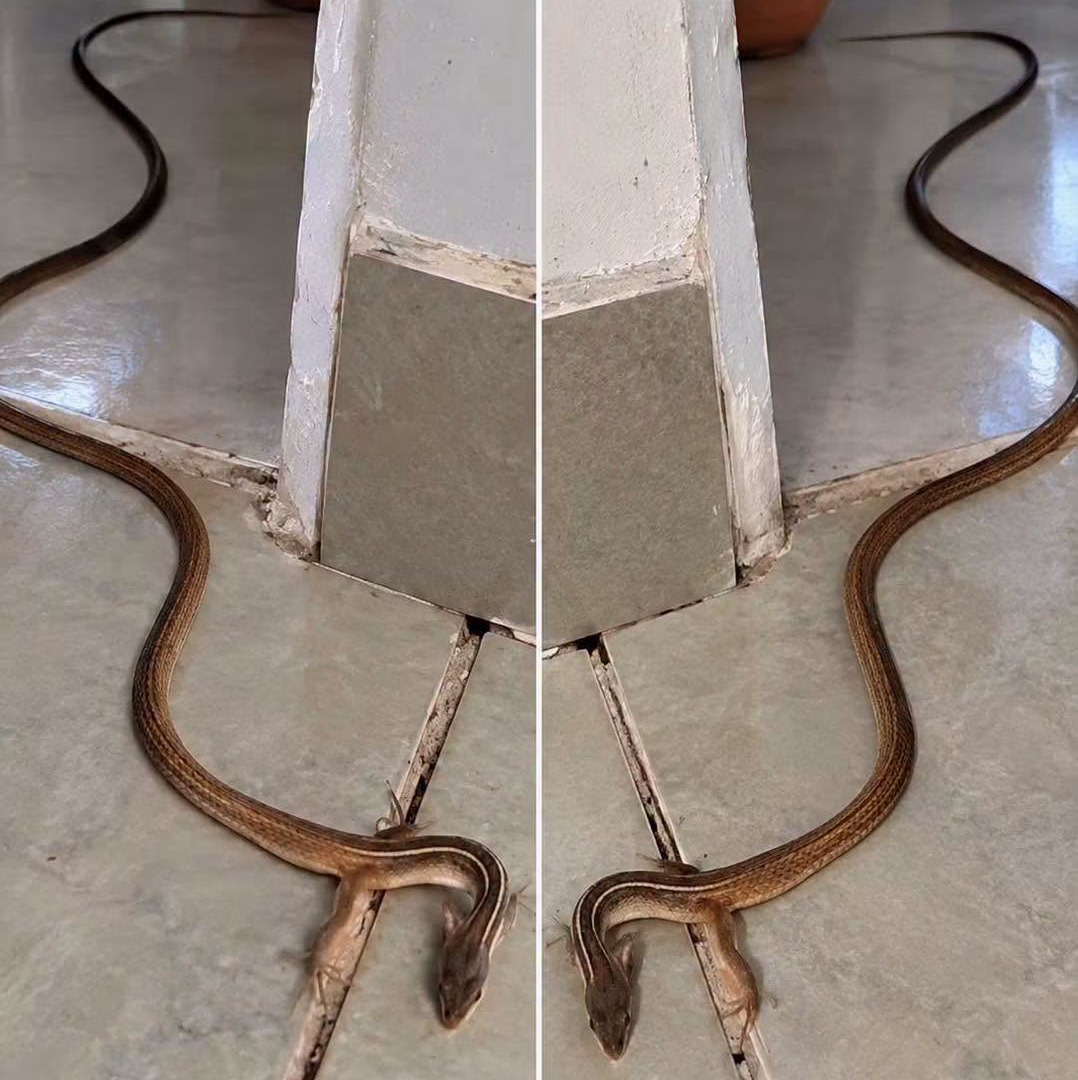
The image above shows a dark snake resting on a wooden surface. Beside it is a bowl filled with a light brown powder. The text claims that there are seven scents that snakes hate and suggests putting them around your home to keep snakes away. This is a common topic for homeowners, especially those living in areas where snakes are prevalent. While no method is guaranteed to be 100 percent effective, some natural scents are often recommended as deterrents. Let us look at some of the most commonly discussed options.
Why Use Natural Deterrents?
Many people prefer to use natural methods to discourage snakes from entering their yards. These methods are generally considered safe for the environment and for pets. They are not a substitute for professional pest control, but they can be part of a broader prevention strategy. The key is to make your property less attractive to snakes by removing food sources, shelter, and access points.
Common Scents Used as Deterrents
Several scents are frequently mentioned as snake repellents. These include:
Cinnamon and Clove: The strong aroma of cinnamon and clove is often said to irritate snakes. You can sprinkle the powder around the perimeter of your home or garden.
Garlic and Onion: The pungent smell of garlic and onion is another common deterrent. You can plant these in your garden or use a spray made from the juice.
Vinegar: The acidic smell of vinegar is unpleasant to many pests, including snakes. You can spray it around entry points.
Ammonia: The sharp odor of ammonia is often used to deter snakes. However, it should be used with caution, as it can be harmful to pets and humans if not handled properly.
Lime: Some people use lime powder around their property. It is believed to irritate a snake’s skin and respiratory system.
Marigold and Wormwood: These plants are often planted in gardens because their scent is said to repel snakes.
Mothballs: While mothballs are sometimes used, they are toxic and should be avoided, especially if you have children or pets.
The Importance of Prevention
While these scents may help, the most effective way to keep snakes away is to remove their reasons for coming. This means keeping your yard free of debris, woodpiles, and tall grass. It also means controlling rodents and other small animals that snakes feed on. Seal any cracks or gaps in your home’s foundation. And remove any standing water.
The Bottom Line
Natural scents can be a helpful part of a snake prevention plan. But they are not a guarantee. The best approach is to combine these methods with good property maintenance. If you have a serious snake problem, contact a professional wildlife removal service. They can safely and humanely remove snakes and advise you on how to prevent them from returning.
Have you ever tried natural snake repellents? Share your experience in the comments below.