Understanding the Signs of Approaching End of Life
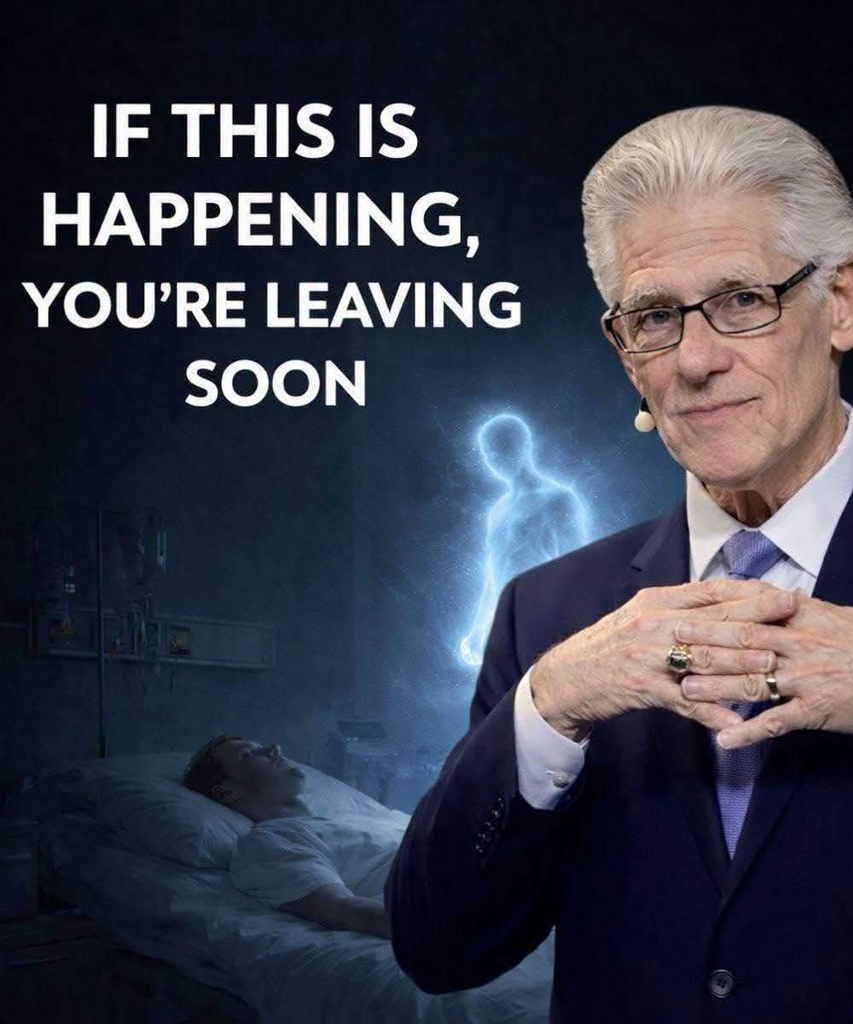
The image above features a man in a suit standing in front of a hospital bed, with text suggesting that certain signs indicate a person is leaving soon. This type of image often circulates online with claims about “signs your soul is preparing to return to the spirit world.” It is important to approach this topic with sensitivity and accuracy. While spiritual beliefs vary, medical science has identified certain physical signs that can indicate a person is in the final stages of life.
The Importance of Professional Care
When a person is nearing the end of life, the most important thing is to ensure they are comfortable and receiving proper medical care. This is often provided through hospice or palliative care. These teams are trained to manage pain, provide emotional support, and help families navigate this difficult time. If you are concerned about a loved one, it is essential to consult a healthcare professional.
Common Physical Changes
As the body begins to shut down, several physical changes may occur. These are natural processes and are not necessarily painful. They can include:
Increased Sleep and Withdrawal: The person may sleep more often and become less responsive to their surroundings. They may withdraw from conversations and activities.
Loss of Appetite and Thirst: It is common for a dying person to eat and drink very little. This is a natural part of the body’s slowing down. Forcing food or fluids can cause discomfort.
Changes in Breathing: Breathing patterns may become irregular. There may be long pauses between breaths. This can be alarming to watch, but it is a normal part of the process.
Cooling of the Skin: The hands and feet may become cool to the touch. The skin may take on a mottled appearance. This happens as blood circulation slows down.
Changes in Alertness: The person may become confused or disoriented. They may talk about seeing people or places that are not there. This can be a source of comfort for some families.
The Bottom Line
The end of life is a natural part of the human experience. While it can be a difficult time, understanding the physical changes that occur can help families provide comfort and support. The most important thing is to focus on the person’s comfort and to seek professional guidance from medical and hospice professionals. This content is not a substitute for professional medical advice.
Have you ever had to care for a loved one at the end of their life? Share your experience in the comments below.