Not Christmas Decorations: What Are These Heavy, Spiral-Shaped Objects?
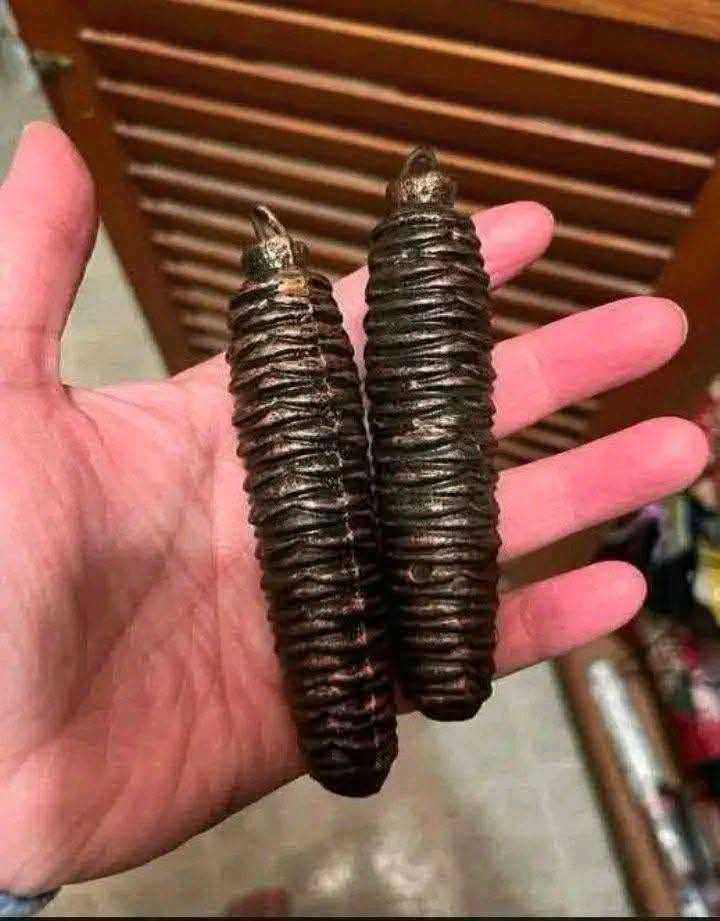
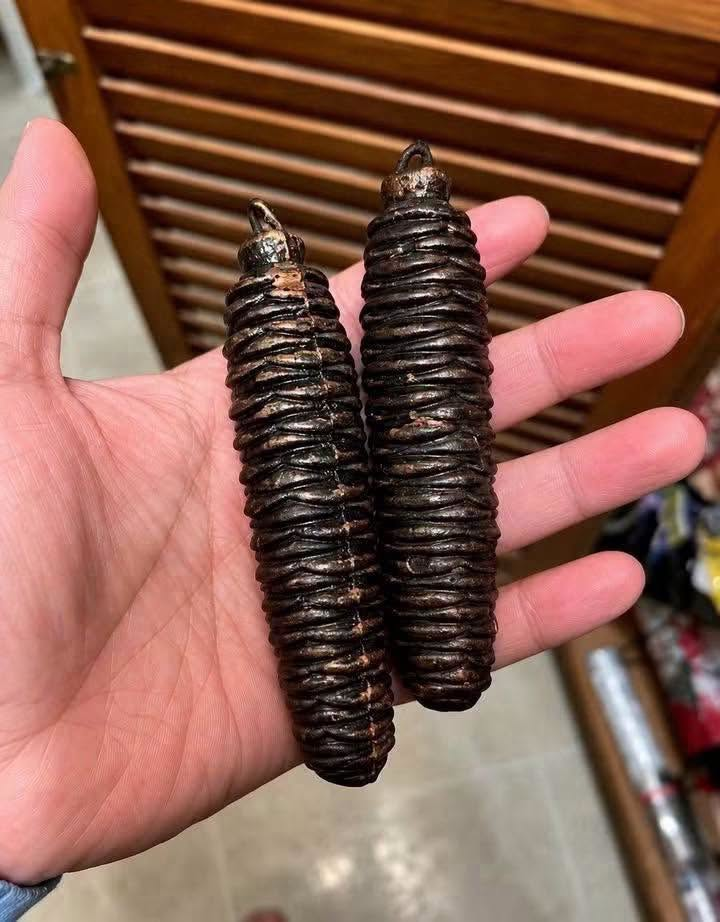
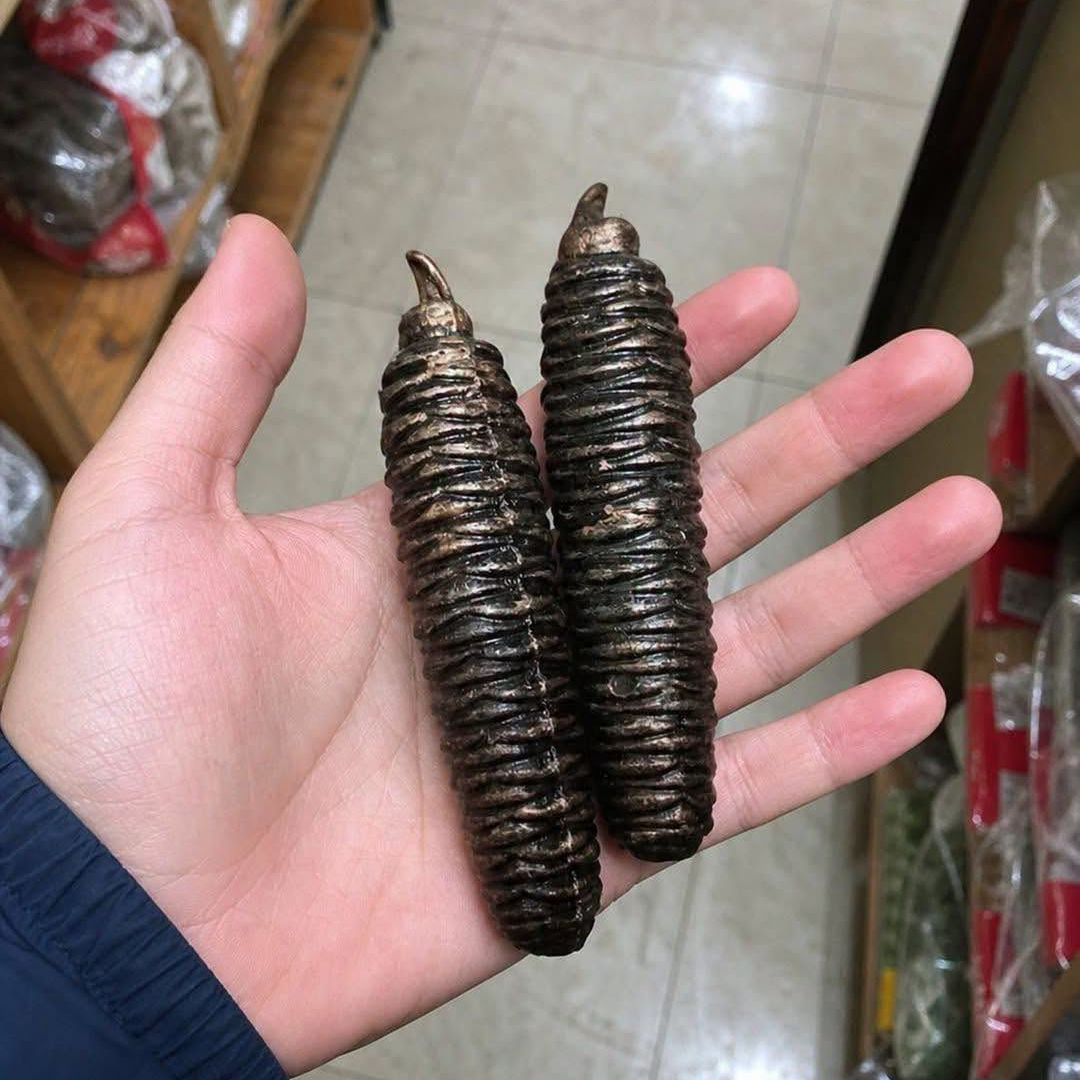
Finding unusual items while sorting through the belongings of a loved one who has passed away is a common experience, but it often leaves us with more questions than answers. In the image, two dark, metallic objects rest in a person’s hand. They feature a distinct, tightly ribbed or spiral texture, resembling a heavy pinecone or a mechanical screw. The original poster noted that they are solid, very heavy, and definitely not Christmas ornaments. While the internet is full of speculation, the most likely answer is surprisingly practical: these are antique weights, specifically those used for a cuckoo clock or a similar mechanical timepiece.
The Leading Theory: Cuckoo Clock Weights
The consensus among collectors and antique enthusiasts who have encountered similar items is that these objects are cast-iron or bronze weights used to power traditional cuckoo clocks. Unlike modern clocks that run on batteries or springs, many older cuckoo clocks operate using a system of hanging weights. Gravity pulls the weights downward over a period of a day or a week, and this slow descent provides the energy needed to move the clock’s gears, strike the hours, and animate the small wooden bird.
These weights are often designed to look like pinecones to blend in with the rustic, forest-themed aesthetic of the clock itself. The spiral, textured pattern on the objects in the photo is a common design for these pinecone weights, offering a decorative yet heavy counterbalance. They typically have a small metal loop or ring at the top (visible in the image) where a chain would be attached to hang them from the clock mechanism.
Why Are They So Heavy?
The weight of these objects is a functional necessity, not an accident. Cuckoo clock weights need to be heavy enough to overcome the friction of the clock’s gears and to drive the striking mechanism. A typical cuckoo clock might use weights ranging from 150 grams to over 1,000 grams, depending on the size of the clock and whether it is a one-day or eight-day movement. Because they are usually made of solid cast iron or a dense metal alloy, they feel substantial in the hand, exactly as the original poster described.
Other Possibilities to Consider
While cuckoo clock weights are the most probable identification, there are a few other, less common possibilities worth mentioning. Without seeing the object in person or knowing its exact dimensions and weight, it is impossible to be one hundred percent certain.
Vintage Curtain or Sash Weights
Before the advent of modern window mechanisms, heavy weights were often used to counterbalance sash windows or to keep heavy curtains hanging straight. While these are usually cylindrical or rectangular, some decorative versions exist. However, the specific spiral “pinecone” shape is much more characteristic of clock weights than architectural hardware.
Fishing or Net Weights
In some regions, lead or iron weights were cast for fishing nets or lines. These are typically simpler in design, but a decorative mold could have been used. However, the presence of a top loop for hanging is a strong indicator that the object was designed to be suspended, which points back toward the clock weight theory.
A Note on “Ornaments”
It is understandable why someone might first think of Christmas decorations. The dark finish and the pinecone-like texture mimic traditional holiday ornaments. However, the solid weight and the metal construction quickly rule this out. A Christmas ornament needs to be lightweight to hang on a tree branch; these objects would bend or break the branch immediately.
How to Confirm Their Identity
If you want to be certain about what these objects are, there are a few simple steps you can take. First, check for any markings. Look closely at the sides or the bottom of the weights for numbers, letters, or logos. Cuckoo clock weights are sometimes stamped with a manufacturer’s mark, a country of origin (such as Germany), or a weight designation (like “275” for grams). These markings can help identify the specific clock they belonged to.
Second, weigh them on a kitchen scale. If they are in the range of 200 to 500 grams each, they are almost certainly clock weights. Third, look for a corresponding clock in the house. If the grandmother or aunt lived in the home for a long time, the clock itself might still be packed away in a box or stored in an attic. Finding the clock would provide definitive proof.
Conclusion
The heavy, spiral-shaped objects found in the house are almost certainly antique cuckoo clock weights. They are a fascinating piece of everyday history, reflecting a time when mechanical objects were built to last and even the weights were designed with a touch of aesthetic charm. While they might look like odd decorations at first glance, they served a vital purpose in keeping time and bringing a small mechanical bird to life. For the family sorting through the home, these weights are a tangible link to the past, offering a glimpse into the hobbies and possessions of a previous generation.
SEO Information
1. SEO Title: Not Christmas Decorations: What Are These Heavy, Spiral-Shaped Objects?
3. Meta Description: Found heavy, spiral-shaped metal objects in an old house? They aren’t ornaments. Discover why these are likely antique cuckoo clock weights and how to confirm.
4. Primary Keyword: heavy spiral metal objects found in house
5. Secondary Keywords:
cuckoo clock weights identification
antique clock parts
pinecone shaped metal weights
what are these heavy objects
vintage clock weights
6. Suggested Image Alt Text: Two heavy, dark metal objects with a ribbed, spiral texture held in a person’s hand, identified as antique cuckoo clock weights.