The Mystery of the Brass Object: Identifying Your Grandfather’s Vintage Smoking Pipe
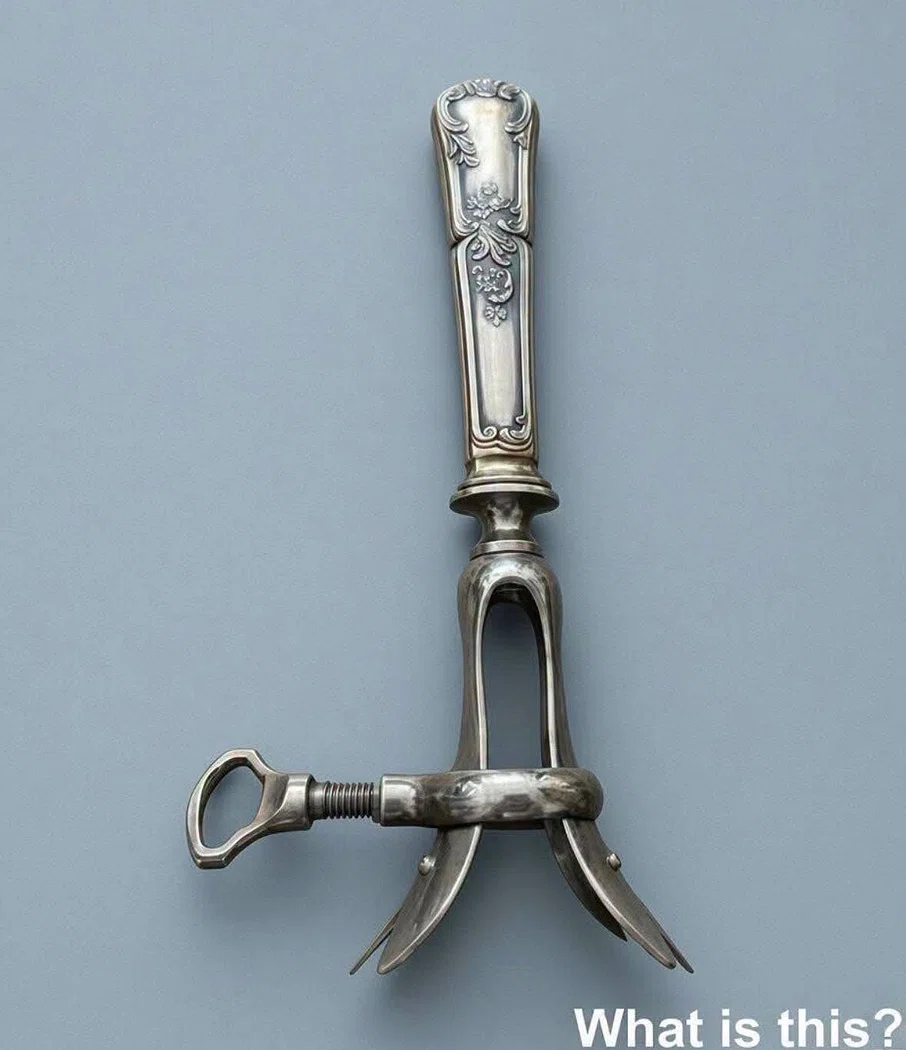
Finding an unusual object tucked away in the belongings of a loved one is always a moment filled with curiosity and nostalgia. When you discovered this small, intricately detailed brass item in your grandfather’s dusty drawer, it likely sparked a wave of questions. Its aged yet noble appearance, featuring a cylindrical body with decorative bands and a distinct bowl-like structure at the end, suggests it is not merely a piece of scrap metal but a purposeful artifact from a bygone era.
Based on its design and construction, this object is a vintage brass smoking pipe, often referred to as a “trench pipe” or a portable pocket pipe. These items were once common personal accessories, valued for their durability and compact design. While it may look unfamiliar to modern eyes, it is a fascinating piece of functional history that reflects the everyday habits of previous generations.
What Exactly Is This Brass Object?
At its core, the object in your photograph is a smoking pipe made from brass. Brass was a popular material for such items because it is resistant to corrosion, easy to cast and engrave, and capable of withstanding the heat generated during smoking. The specific design you have—a straight, cylindrical stem with a small, perpendicular bowl at the end—is a classic configuration known as a “straight pipe” or a “pocket pipe.”
The intricate details on the stem, which include several raised bands and textured rings, are not just decorative. In many vintage pipes, these sections serve a practical purpose. The bands often indicate where different components of the pipe screw together or where the mouthpiece attaches. The small knob at the very end is typically the mouthpiece, designed to be held comfortably between the lips. The bowl, which is a separate piece attached at a right angle, is where the tobacco is placed and lit .
This particular style is often associated with the early to mid-20th century. During times of conflict, such as World War I and World War II, compact metal pipes were popular among soldiers because they were sturdy, easy to carry, and less fragile than clay or wooden pipes. This is why similar items are sometimes referred to as “trench pipes” or “trench lighters” in collector communities .
The Design and Construction of Vintage Brass Pipes
To appreciate this object fully, it helps to understand how it was made and why it was designed this way. Vintage brass pipes like this one were typically manufactured using casting or turning processes. The intricate patterns on the stem, such as the cross-hatched rings, were often stamped or engraved into the metal to provide both visual appeal and a better grip.
The Anatomy of the Pipe
The object consists of three main sections. The first is the stem, which is the long cylindrical body. This part acts as a handle and a conduit for smoke. The second is the bowl, which is the cup-shaped receptacle at the top. The bowl is connected to the stem via a small, hollow joint. The third is the mouthpiece, which is the small, rounded tip at the opposite end of the stem.
The fact that the bowl is positioned at an angle rather than directly on top of the stem is a common design feature in metal pipes. This “bent” or “straight” configuration allows the smoker to see the bowl while lighting it and helps prevent moisture from traveling down into the stem. The bands on the stem likely represent joints where the pipe can be disassembled for cleaning, a necessary task for any pipe smoker .
Why Brass?
Brass was chosen for its practical benefits. Unlike wood, which can burn or crack, brass can withstand high temperatures. It is also relatively inexpensive to produce and can be polished to a high shine. Over time, brass develops a patina—a dark, greenish-brown film that forms on the surface due to oxidation. The “aged yet noble” look you described is a result of this natural aging process, which many collectors find desirable.
Historical Context: The “Trench Pipe” and Everyday Carry
The history of metal smoking pipes is closely tied to the history of modern warfare and the rise of personal accessories. In the late 19th and early 20th centuries, smoking was a widespread social habit. For soldiers in the trenches of World War I, a pipe was more than just a smoking instrument; it was a source of comfort and a way to pass the time in difficult conditions.
These pipes were designed to be “everyday carry” items. They were small enough to fit in a pocket, durable enough to survive the rigors of daily life, and simple enough to be used without much fuss. While many soldiers used clay pipes, which were cheap and disposable, brass pipes offered a more permanent solution. They could be cleaned, refilled, and reused indefinitely .
In the post-war years, these pipes remained popular among civilians. They were often sold as novelties or practical gifts. The intricate designs on the stem suggest that this particular pipe may have been a higher-end model, intended to be displayed as much as used. It is a tangible link to a time when smoking was a more ubiquitous part of daily life.
How to Identify and Value Your Pipe
If you are interested in learning more about your grandfather’s pipe, there are several steps you can take. First, examine the object closely for any markings or hallmarks. Manufacturers often stamped their names or logos on the metal, typically on the stem or the underside of the bowl. These markings can help you identify the maker and the approximate date of production.
Checking for Markings
Look for small engravings or stamps. Common markings might include the name of a company, a country of origin (such as “England” or “Austria”), or a patent number. If you find a patent number, you can often look it up online to find the exact date the design was registered. This can provide a precise timeline for your pipe.
Assessing the Condition
The value of a vintage pipe depends largely on its condition. Items that are complete, with no missing parts and minimal damage, are more desirable to collectors. The presence of the original patina is also a factor. While some people prefer to polish brass to a bright shine, collectors often prefer the aged look, as polishing can remove the historical surface and reduce the item’s value.
Consulting Experts
If you suspect the pipe is particularly old or rare, consider consulting a local antique dealer or a collector of tobacco memorabilia. Online forums and community groups dedicated to antique pipes can also be valuable resources. Members of these communities can often identify the maker and provide an estimated value based on the current market.
Caring for Your Vintage Brass Pipe
If you decide to keep the pipe as a family heirloom, proper care will help preserve it for future generations. The most important rule is to avoid harsh cleaning methods. Abrasive cleaners or polishes can scratch the brass and remove the patina.
Cleaning and Preservation
To clean the pipe, use a soft cloth and a mild soap solution. Avoid soaking the pipe in water, as moisture can become trapped in the joints and cause corrosion. If the pipe is heavily tarnished, you can use a specialized brass cleaner, but test it on a small, inconspicuous area first. After cleaning, dry the pipe thoroughly with a soft cloth.
For long-term storage, keep the pipe in a dry environment away from direct sunlight. You can place it in a small box or a display case to protect it from dust and scratches. If you plan to handle the pipe frequently, consider wearing cotton gloves to prevent oils from your skin from transferring to the metal.
Frequently Asked Questions
Is this object a pipe or something else?
Based on its shape, which includes a long stem, a bowl, and a mouthpiece, it is most likely a smoking pipe. The design is consistent with vintage brass pipes used for smoking tobacco .
Can I still smoke from this pipe?
While it is possible to smoke from a vintage pipe, it is generally not recommended. The metal may contain lead or other impurities, and the bowl may be damaged or corroded. It is safer to keep the pipe as a decorative item or a collectible.
How old is this pipe?
It is difficult to determine the exact age without a maker’s mark or hallmark. However, the style and construction suggest it likely dates from the late 19th to the mid-20th century. Similar pipes were common during the World War I and World War II eras.
Is it valuable?
Most vintage brass pipes are not extremely valuable, typically selling for a modest amount to collectors. However, the sentimental value of a family heirloom is immeasurable. If the pipe has a rare maker’s mark or is in excellent condition, it may be worth more.
What should I do with it?
The best course of action is to preserve it as a family keepsake. Clean it gently, store it in a safe place, and consider displaying it as a conversation piece. It is a wonderful reminder of your grandfather’s life and the era in which he lived.
Conclusion
The brass object you found in your grandfather’s drawer is a vintage smoking pipe, a small but significant artifact of daily life from the past. Its intricate design and sturdy construction tell a story of a time when personal possessions were built to last. While it may not be a treasure of great monetary value, it is a treasure of history and memory.
By understanding what this object is and how it was used, you can appreciate the craftsmanship and the context behind it. Whether you choose to display it, store it, or simply keep it as a memento, this little brass pipe is a tangible connection to your grandfather’s world. It is a reminder that even the smallest objects can carry the weight of history and the warmth of family legacy.