The Mysterious Metal Objects in the Attic: Identifying Vintage Maple Sap Spiles
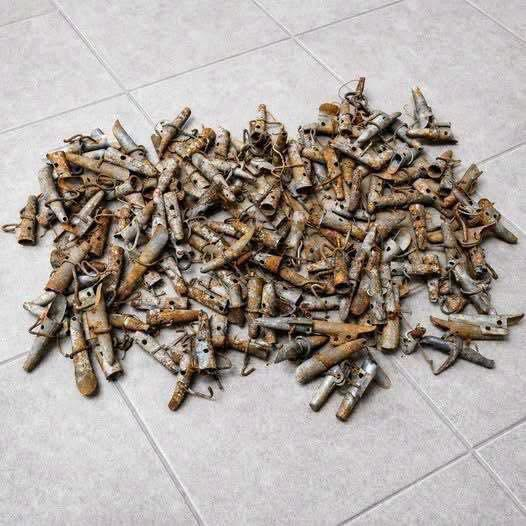
Finding a bucket filled with strange, rusty metal objects in the attic of a newly purchased old house is a scenario that sparks immediate curiosity. The items in the image—small, cylindrical, and often featuring a hook or a spout-like shape—look like they could be anything from old fishing tackle to mysterious hardware from a bygone era. However, the most accurate identification for these specific objects is that they are vintage maple sap spiles (also known as spouts or taps), the traditional tools used to harvest sap from maple trees for making syrup .
This discovery is not a cause for alarm. Instead, it is a fascinating glimpse into the history of the property and the self-sufficient lifestyle of its previous owners. Understanding what these tools are and how they were used connects you to a centuries-old tradition of North American agriculture.
Identifying the Objects: What Are Maple Sap Spiles?
The objects in the image are the metal spouts that were driven into the trunk of a maple tree to collect sap. In the past, before the advent of modern plastic tubing and vacuum systems, these metal spiles were the standard method for tapping trees.
The Anatomy of a Spile
A traditional metal spile consists of a few key parts. The main body is a tapered tube or cylinder that is hammered into the tree. The tapered shape ensures a tight fit, which is crucial for preventing leaks and holding the weight of a sap bucket. At the end of the spile is a small hook or a flange. This hook serves a very specific purpose: it is designed to hold the handle of a sap bucket or a small pail . The sap would flow through the hollow center of the spile and drip directly into the waiting bucket.
Why They Look So Strange
The spiles in the image appear heavily rusted and have a variety of shapes, which is typical for a collection of vintage tools. Older spiles were often made of galvanized metal or iron, which corrodes over time. The presence of various sizes and styles suggests that the previous owner may have accumulated them over many seasons, or perhaps they were passed down through generations. The “weird” appearance is simply a result of their age and the rustic nature of the work they were designed to do.
The Historical Context: How Were They Used?
To understand the significance of these objects, it helps to picture the process of maple sugaring as it was done in the past.
The Tapping Process
The process began in late winter or early spring, when temperatures fluctuate between freezing nights and warmer days. This is when the sap begins to flow. The sugar maker would drill a hole into the trunk of a mature maple tree, usually at a slight upward angle. The spile would then be inserted into the hole and gently tapped into place with a hammer or mallet to create a seal. Once the spile was secure, a bucket would be hung on the hook, and the sap would begin to drip.
The Collection and Boiling
The buckets would be collected daily and emptied into a larger gathering tank. The sap, which is mostly water with a small percentage of sugar, would then be boiled down to concentrate the sugars and create maple syrup. It takes roughly 40 gallons of sap to produce just one gallon of syrup, which explains why the work was so labor-intensive and why having a large number of spiles was necessary for a successful operation.
What This Discovery Means for Your Old House
Finding these spiles in the attic tells a story about the property. It suggests that the land or the surrounding area was once used for maple sugaring. Even if the current landscape does not look like a traditional sugar bush, the presence of these tools indicates that the previous owners were involved in this activity.
A Link to the Past
These objects are more than just old metal; they are artifacts of a traditional way of life. They represent a time when families produced their own food and relied on the seasonal rhythms of nature. For a new homeowner, finding a bucket of spiles is a unique and interesting piece of history that connects the present to the past. It is a tangible reminder of the work that once took place on the property.
What to Do with Your Find
If you have found a bucket of these spiles, you have a few options for what to do with them.
Keep Them as Decorative Items
Many people enjoy using vintage farm tools as rustic decor. The spiles can be cleaned and displayed in a shadow box, used as unique coat hooks (though they may not be strong enough for heavy items), or simply kept as a conversation piece. They add a touch of character and history to a home.
Preserve Them as Artifacts
If you are interested in local history, you might consider preserving the spiles as a small collection. You could research the history of maple sugaring in your area to add context to your find. This can be a fun project that connects you more deeply to your new home.
Determine if They Are Still Usable
While it is unlikely that you would want to use rusty, vintage spiles for actual sap collection (modern food-grade spiles are cheap and safer), some collectors do restore them. However, for the average homeowner, they are best appreciated as historical objects rather than functional tools. If you are interested in making your own syrup, it is far safer and more efficient to purchase modern tapping supplies.
Final Thoughts
The bucket of metal objects in your attic is not a mystery or a hazard; it is a collection of vintage maple sap spiles. These tools were used to harvest sap from maple trees, a tradition that has deep roots in North American history. Finding them in an old house is a delightful discovery that offers a window into the past and the self-sufficient lifestyle of the people who lived there before you. Rather than wondering “what the hell” they are, you can now appreciate them as a unique piece of your home’s history.
Frequently Asked Questions
Are these metal objects dangerous? No. They are simply vintage metal tools. While they are rusty and old, they are not hazardous unless you cut yourself on a sharp edge. They are safe to handle and remove.
Could they be something else, like fishing lures? While some people might initially guess they are fishing lures , the specific shape—a tapered tube with a hook for a bucket—is characteristic of maple sap spiles. Fishing lures typically have a different design with treble hooks and a body designed to attract fish, not to channel liquid.
Should I clean them? You can clean them gently if you wish to display them, but avoid using harsh chemicals that could damage the metal further. A soft brush and some mild soap can remove loose dirt. However, preserving the patina (the rust and aged look) is often preferred for decorative purposes.
Can I use them to tap trees today? It is not recommended. Modern spiles are made of food-grade plastic or stainless steel and are designed for safety and hygiene. Using rusty, vintage metal spiles could introduce contaminants into the sap. If you want to tap trees, purchase new supplies from a reputable dealer.
What does finding these mean about my house? It means the previous owners likely used the property or the surrounding land for maple sugaring. It is a sign of a rural or self-sufficient history. It does not indicate any structural problems with the house; it is simply a leftover from a past hobby or livelihood.