What Is Atorvastatin and Why Is It Commonly Prescribed?
Atorvastatin is one of the most widely prescribed medications in the world. It belongs to a class of drugs known as statins, and it is used primarily to lower cholesterol levels and reduce the risk of serious cardiovascular events such as heart attacks and strokes. For millions of people with high cholesterol or an elevated risk of heart disease, atorvastatin is a cornerstone of preventive care.
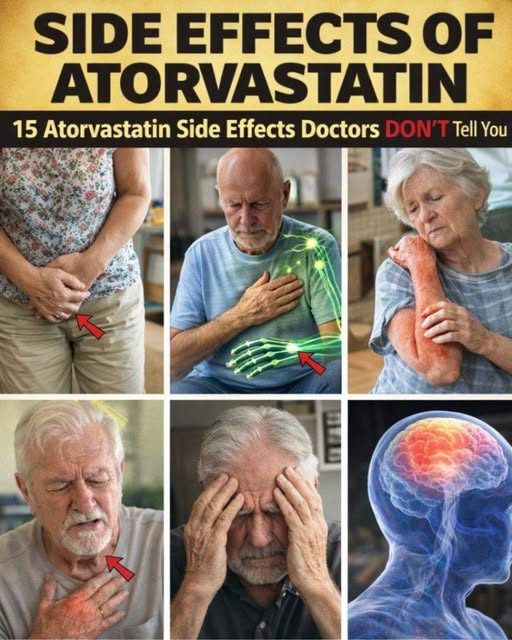
The image in the viral post highlights a list of potential side effects, framing them as things “doctors don’t tell you.” While the sensationalized framing is misleading, it does raise an important point: like all medications, atorvastatin carries risks, and understanding both its benefits and its potential side effects is essential for anyone taking it or considering it.
What Is Atorvastatin?
Atorvastatin is a prescription medication that belongs to the statin class of drugs. It is sold under the brand name Lipitor, as well as in generic form. It works by inhibiting an enzyme in the liver called HMG-CoA reductase, which is essential for the production of cholesterol. By blocking this enzyme, atorvastatin reduces the amount of cholesterol the body makes, which in turn lowers the levels of “bad” LDL cholesterol and triglycerides in the blood.
How It Works
Cholesterol is a waxy substance that is essential for building cells and producing hormones, but too much of it in the blood can lead to a buildup of plaque in the arteries, a condition known as atherosclerosis. This plaque narrows the arteries and increases the risk of blood clots, heart attacks, and strokes. Atorvastatin helps to slow the progression of atherosclerosis by lowering cholesterol levels and stabilizing existing plaque.
Why Is Atorvastatin Commonly Prescribed?
Atorvastatin is prescribed for two main purposes: to treat lipid disorders and to prevent cardiovascular disease.
To Lower Cholesterol
Atorvastatin is used, along with a heart-healthy diet and exercise, to reduce elevated levels of total cholesterol, LDL cholesterol, and triglycerides in adults with primary hyperlipidemia. It is also used to treat inherited forms of high cholesterol, such as heterozygous familial hypercholesterolemia, a condition that causes dangerously high cholesterol levels from a young age.
To Reduce Cardiovascular Risk
This is a major reason for its widespread use. Atorvastatin is prescribed to reduce the risk of heart attack, stroke, and procedures to restore blood flow in several groups of people:
Adults with existing heart disease: To prevent further cardiovascular events.
Adults with multiple risk factors: Such as diabetes, high blood pressure, or a history of stroke, even if they do not yet have clinical heart disease.
Adults with type 2 diabetes: Who have multiple risk factors for coronary heart disease.
The evidence supporting these uses is substantial. Large clinical trials have consistently shown that statins like atorvastatin significantly reduce the risk of major cardiovascular events and cardiovascular mortality in people at risk.
The Side Effects: What the Viral Post Gets Right and Wrong
The viral image lists a number of side effects, including muscle pain, joint pain, and neurological symptoms. While the framing is alarmist, it is true that atorvastatin can cause side effects. The most important thing is to understand which ones are common, which are rare, and which require medical attention.
Common Side Effects
The most frequently reported side effects in clinical trials include:
Muscle and joint pain: This is the most well-known side effect of statins. It can range from mild aches to more significant discomfort.
Diarrhea: Digestive upset is a relatively common complaint.
Cold-like symptoms: Such as a runny nose or sore throat (nasopharyngitis).
Headache: Some people experience headaches when starting the medication.
These side effects are often mild and may resolve as the body adjusts to the medication. However, if they are persistent or bothersome, it is important to discuss them with a doctor.
Serious but Rare Side Effects
While most people tolerate atorvastatin well, there are rare but serious side effects that require medical attention:
Rhabdomyolysis: This is a severe form of muscle breakdown that can lead to kidney damage. It is very rare, but it is a medical emergency. Signs include severe muscle pain, weakness, and dark urine.
Liver enzyme elevations: Atorvastatin can cause liver enzymes to rise, which is why doctors often monitor liver function with blood tests, especially in the first few months of treatment.
Increased blood sugar: Statins can slightly increase blood sugar levels, which may be a concern for people with diabetes or those at risk of developing it.
It is important to note that the risk of these serious side effects is low, and the cardiovascular benefits of atorvastatin generally outweigh the risks for people who need it.
The Importance of Communication with Your Doctor
The viral post’s framing of “what doctors don’t tell you” is misleading. In reality, doctors are well aware of these side effects and discuss them with patients. The key is open communication.
What to Do If You Experience Side Effects
If you are taking atorvastatin and experience muscle pain, weakness, or any other concerning symptom, do not stop taking the medication abruptly. Contact your doctor. They can assess your symptoms, check your blood work if necessary, and determine whether the side effect is related to the medication. In some cases, they may adjust the dose, switch to a different statin, or recommend other strategies to manage your cholesterol.
The Bottom Line
Atorvastatin is a highly effective medication for lowering cholesterol and reducing the risk of heart disease and stroke. It is not without side effects, but the vast majority of people who take it do not experience serious problems. The decision to prescribe it is made after weighing the individual’s cardiovascular risk against the potential for side effects. If you have concerns about atorvastatin, the best course of action is to have an honest conversation with your healthcare provider, rather than relying on viral posts for medical advice.
Frequently Asked Questions
What is atorvastatin used for?
Atorvastatin is used to lower cholesterol levels and reduce the risk of heart attack, stroke, and other cardiovascular events in people with high cholesterol or an elevated risk of heart disease.
How does atorvastatin work?
It works by blocking an enzyme in the liver that is essential for cholesterol production. This reduces the amount of cholesterol the body makes and lowers the levels of LDL cholesterol and triglycerides in the blood.
What are the most common side effects of atorvastatin?
The most common side effects are muscle and joint pain, diarrhea, and cold-like symptoms such as a runny nose or sore throat.
Is atorvastatin safe?
For most people, yes. It is one of the most extensively studied medications in history. However, like all drugs, it carries some risks, including rare but serious side effects like rhabdomyolysis and liver enzyme elevations. Regular monitoring and communication with a doctor are important.
Should I stop taking atorvastatin if I have side effects?
Do not stop taking atorvastatin without talking to your doctor. They can assess your symptoms, adjust the dose, or switch you to a different medication if necessary. Stopping the medication abruptly can increase your risk of cardiovascular events.