Here Are the Consequences of Sleeping With Makeup On: What the Image Really Shows
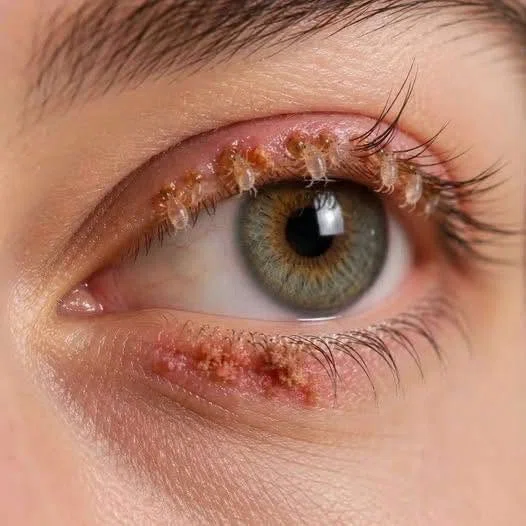
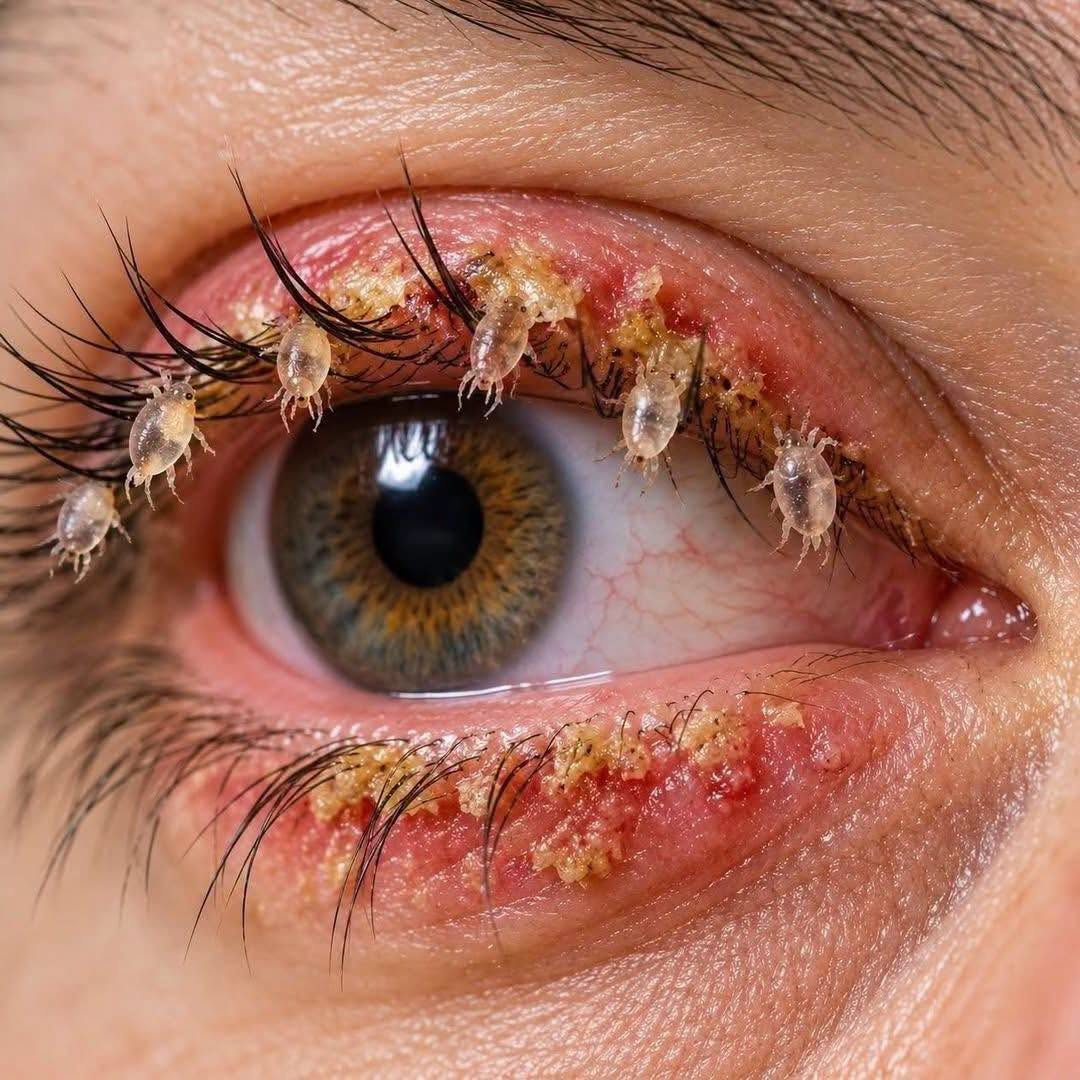
The image shows an eye with severe, crusty buildup along the lash line—a sight that is alarming and uncomfortable to look at. The viral caption suggests this is the “consequence of sleeping with a…” something, implying that poor hygiene habits like sleeping in makeup are the direct cause. While the framing is dramatic, the condition shown is real, and it is more serious than a simple case of irritated eyelids.
The crusting and inflammation visible in the image are characteristic of blepharitis, a common inflammation of the eyelid margins. It can be caused or worsened by a variety of factors, including poor eyelid hygiene, bacterial overgrowth, clogged oil glands, or skin conditions like rosacea. Sleeping in makeup is a contributing factor, but it is not the sole cause. Understanding the condition, its symptoms, and how to manage it is important for anyone who wants to protect their eye health.
What Is Blepharitis?
Blepharitis is inflammation of the eyelids, specifically the margins where the eyelashes grow. It is one of the most common eye conditions, and it is often chronic, meaning it can recur or persist over time. The crusting visible in the image is a classic sign, caused by a buildup of bacteria, dead skin cells, and hardened oils from the eyelid glands.
The Two Main Types
Blepharitis is generally divided into two categories:
Anterior blepharitis: Affects the outside front of the eyelid, where the eyelashes attach. It is often caused by bacteria (staphylococcus) or dandruff of the scalp or eyebrows.
Posterior blepharitis: Affects the inner edge of the eyelid that touches the eye. It is related to dysfunction of the meibomian glands, which produce the oily layer of tears. When these glands become clogged, the oil hardens and causes inflammation.
The image likely shows a combination of both types, with significant crusting along the lash line and inflammation of the eyelid margin.
The Role of Sleeping in Makeup
Sleeping in makeup is not the sole cause of blepharitis, but it is a significant contributing factor. When makeup is left on overnight, it can:
Clog the oil glands: Mascara, eyeliner, and eyeshadow can block the openings of the meibomian glands, preventing the natural oils from flowing freely. This leads to the hardening of secretions and inflammation.
Trap bacteria and debris: Makeup acts as a magnet for bacteria, dead skin cells, and dust. Leaving it on creates an environment where bacteria can thrive, increasing the risk of infection and inflammation.
Irritate the eyelids: The chemicals and preservatives in makeup can irritate the sensitive skin of the eyelids, especially if left in contact for extended periods.
However, it is important to note that blepharitis can occur even in people who meticulously remove their makeup. Other factors, such as skin conditions (rosacea, seborrheic dermatitis), allergies, and the natural aging process, can also play a role.
Symptoms of Blepharitis
The image shows a severe case, but blepharitis can present with a range of symptoms. Common signs include:
Crusting and flaking along the eyelid margins, especially upon waking.
Redness and swelling of the eyelids.
Burning, stinging, or itching sensation in the eyes.