The Truth Behind the Viral “Snake with Legs” Photo: What It Really Means When This Creature Enters Your House
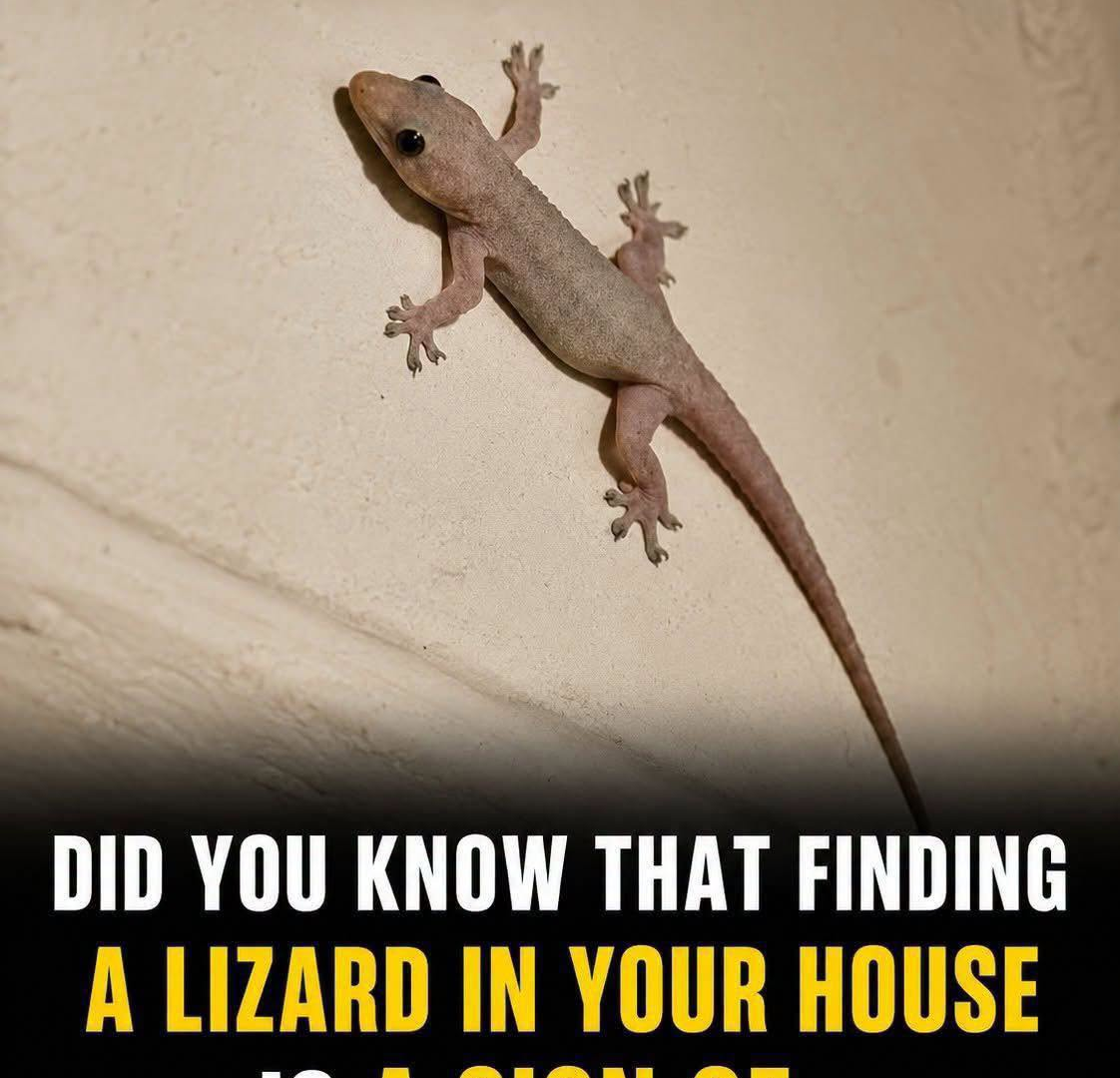
A photo of a long, slender, serpentine creature with what appears to be tiny legs is circulating widely across social media, accompanied by the caption, “When this snake enters your house, it means you have… see more.” The image has sparked a mixture of fascination and fear, with many viewers convinced they are looking at a bizarre, dangerous hybrid. The framing of the post is deliberately provocative, inviting speculation about hidden dangers, omens, or pest infestations. However, a closer look at the creature itself, combined with established biological and ecological knowledge, reveals a far less sinister—and far more interesting—reality. The animal in the photograph is not actually a snake at all, and the true meaning of its presence in a home has nothing to do with superstition and everything to do with the environment and the animals that live within it.
This article examines the identity of the creature in the viral image, explains why it is frequently mistaken for a snake, explores the legitimate reasons why reptiles enter human dwellings, and separates the folklore from the scientific facts. Understanding what this animal is and why it might appear in your home is the first step toward a calm, informed response.
Identifying the Creature: It’s a Legless Lizard, Not a Snake
The most important fact to establish is that the creature in the photograph is not a snake. It is a legless lizard, a type of reptile that has evolved to have a long, slender body and no functional limbs, making it superficially resemble a snake. This evolutionary phenomenon, known as convergent evolution, occurs when different species develop similar traits because they occupy similar ecological niches . The legless lizard’s body shape is an adaptation for moving through leaf litter, soil, and rocky crevices while hunting for insects and other small prey .
Key Physical Differences
While legless lizards and snakes share a similar silhouette, there are several reliable ways to tell them apart. The most definitive differences are anatomical. Legless lizards possess external ear openings and movable eyelids, both of which are entirely absent in true snakes . If you look closely at the head of the creature in the photo, you would see a small ear opening behind the eye and a visible eyelid, features that immediately rule out a snake. Additionally, legless lizards have a fleshy, rounded tongue, whereas snakes are known for their forked tongues .
Another distinguishing feature is the tail. Legless lizards have a remarkably long tail relative to their body, and many species, particularly glass lizards, are named for their ability to break off their tails when threatened. The tail shatters into fragments, a defense mechanism that distracts predators while the lizard escapes . While some snakes can also lose portions of their tails, the glass lizard’s tail is exceptionally brittle and breaks more readily. The creature in the viral image, with its distinct longitudinal stripes and smooth, snake-like appearance, is consistent with a glass lizard, a common name for several species within the genus Ophisaurus .
Are They Dangerous?
Legless lizards are completely harmless to humans. They are non-venomous and do not possess the venom glands found in many snake species . They are not aggressive and will typically attempt to flee rather than confront a person. Their primary defense mechanisms are camouflage and the ability to shed their tails . The fear that the viral post is designed to provoke is entirely misplaced. The animal in the photograph poses no threat whatsoever.