The First Signs of Rosacea: Understanding the Redness and Visible Veins on the Nose
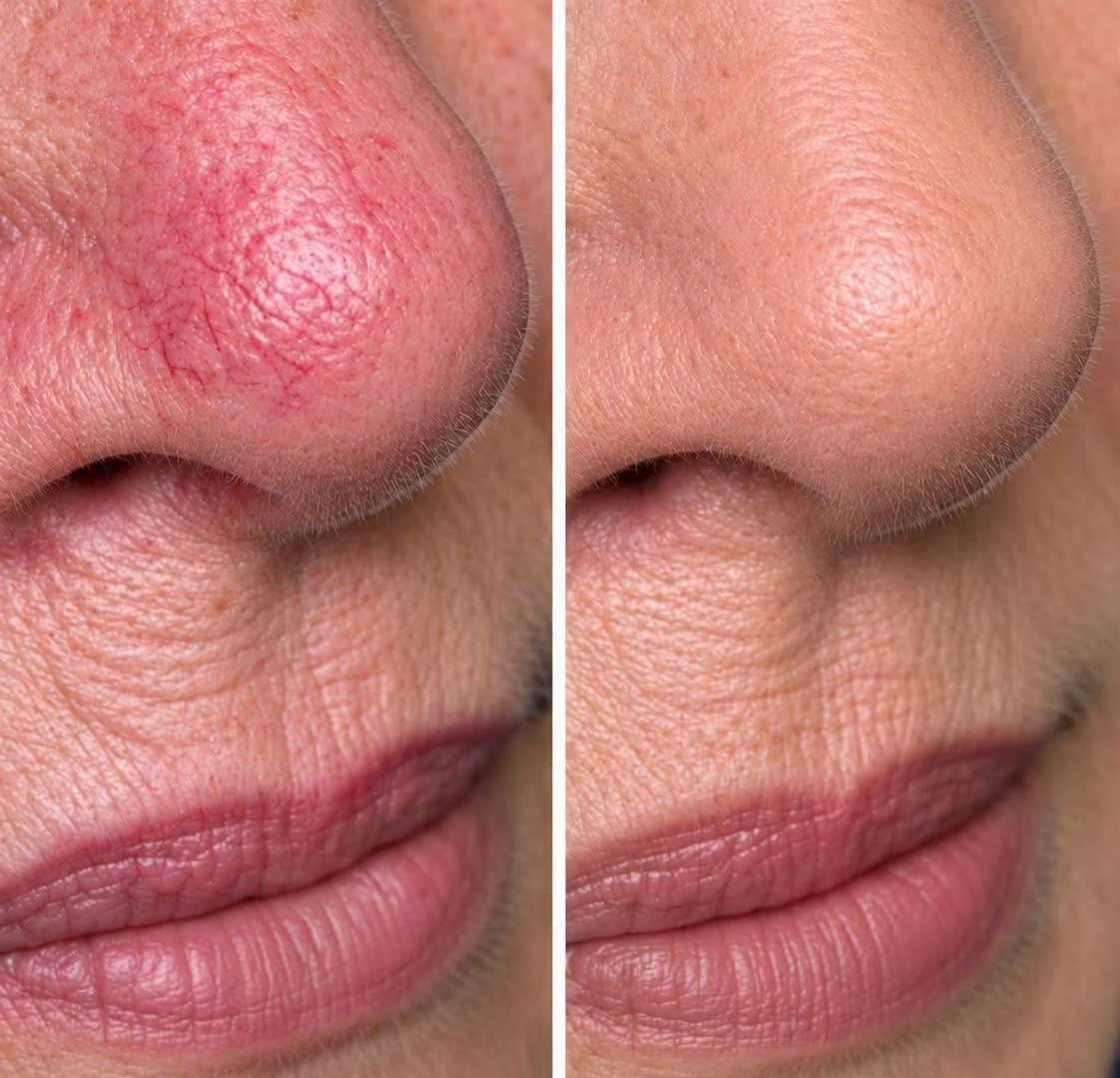
A flushed, red nose that persists long after the heat of the moment has passed is a common source of frustration and self-consciousness for many adults. It often begins subtly, with a tendency to blush more easily than others, before gradually solidifying into a permanent redness across the center of the face. When this redness is accompanied by a network of tiny, visible blood vessels—particularly on the nose and cheeks—it is frequently the first indication of a chronic inflammatory skin condition known as rosacea.
Rosacea is a long-term skin disorder that primarily affects the central face, causing redness, flushing, and sometimes acne-like bumps . While the exact cause remains unknown and there is no permanent cure, recognizing these early symptoms is crucial for effective management. Understanding what those visible veins and persistent redness signify can help individuals seek appropriate care, avoid common triggers, and prevent the condition from progressing to more severe stages.
Identifying the Early Symptoms on the Nose
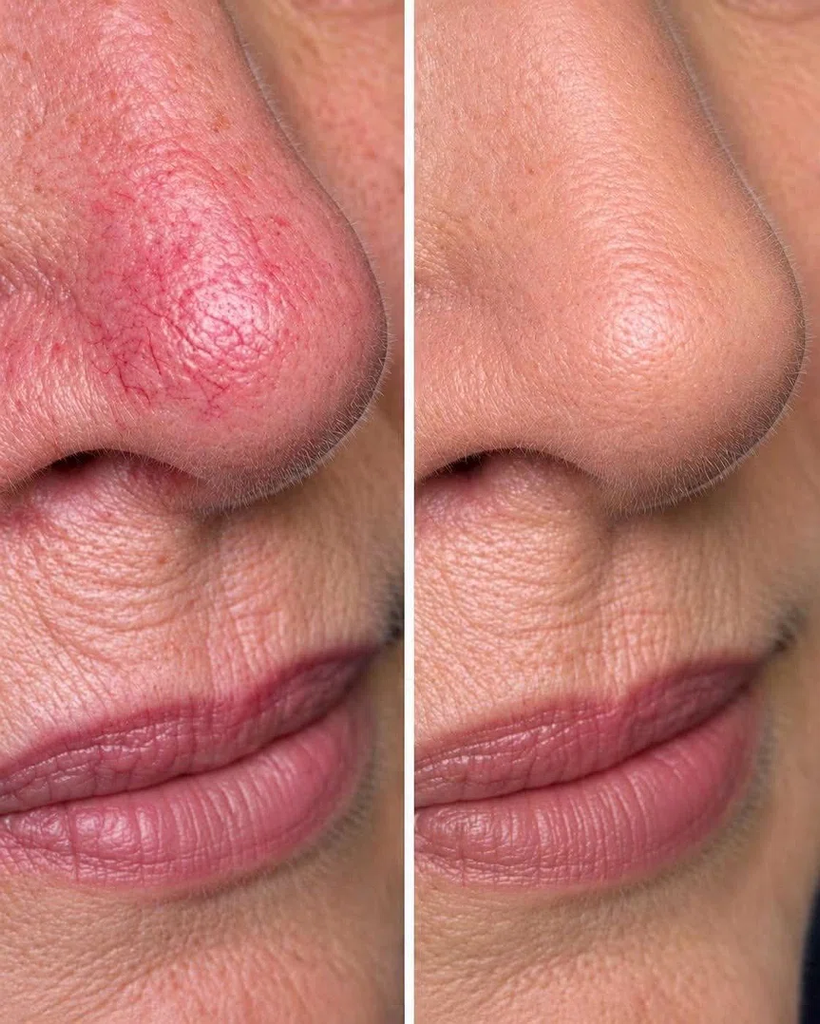
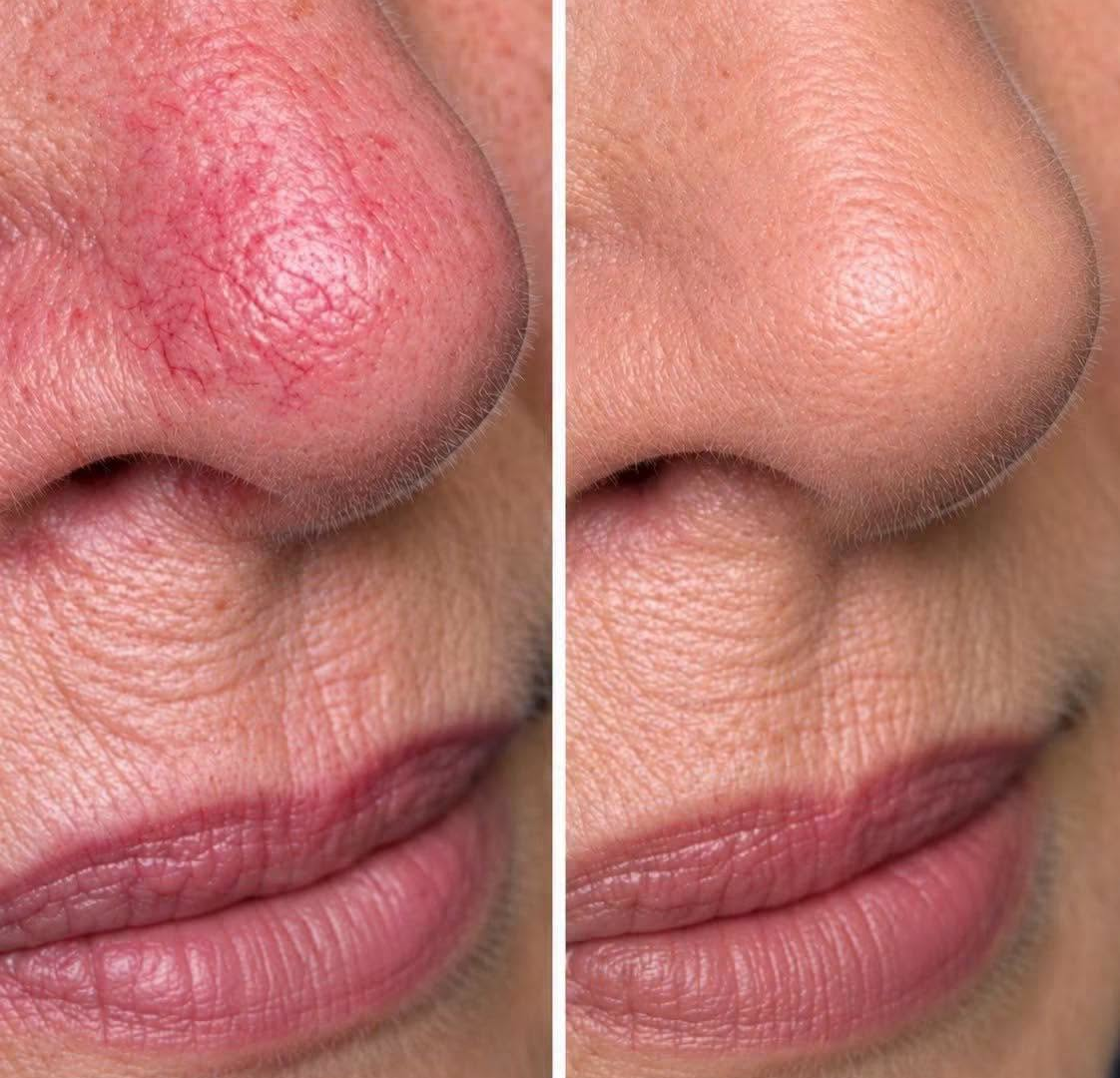
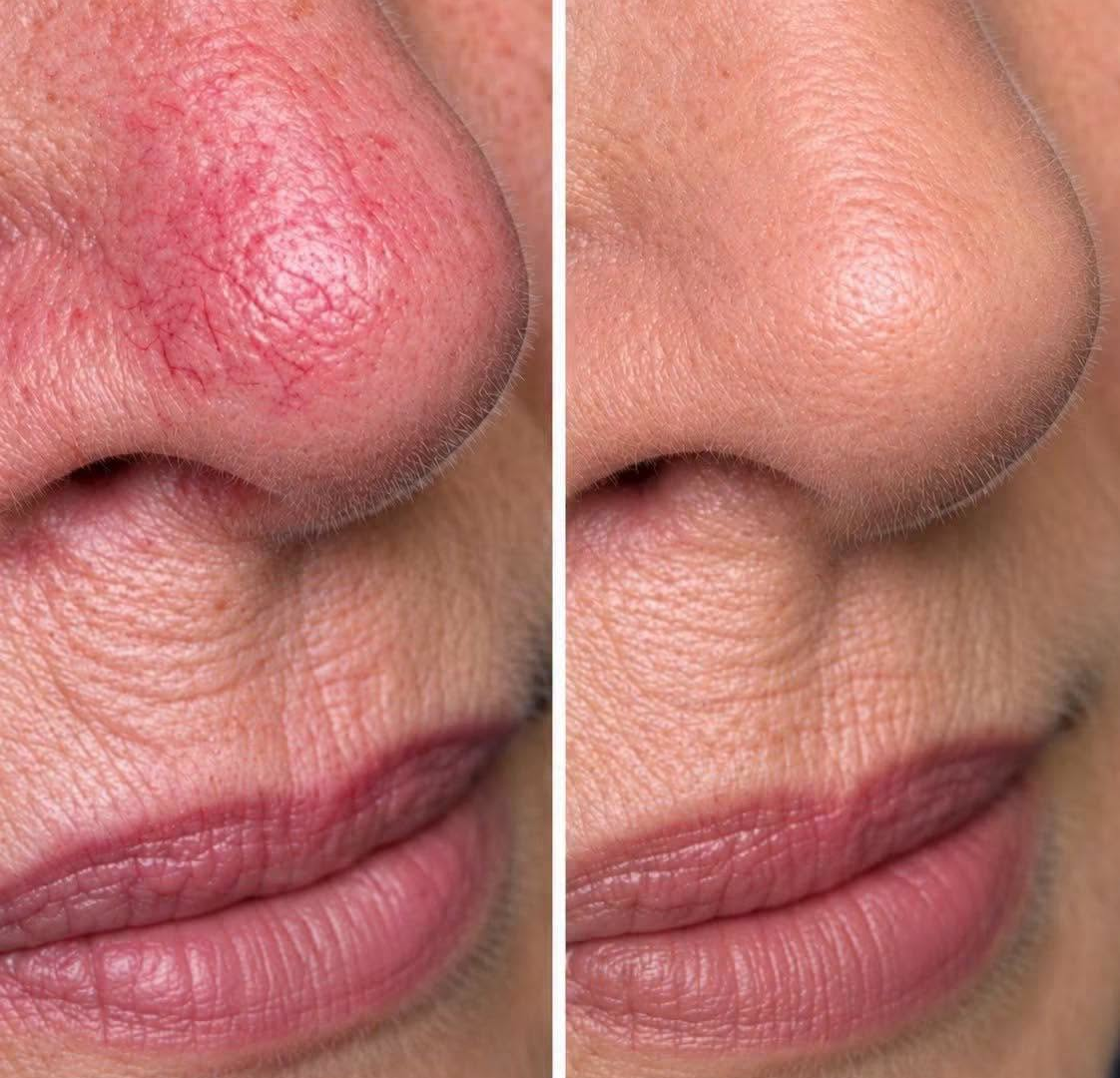
The nose is one of the most common and visible areas affected by rosacea. The condition often begins with a tendency for facial flushing, which can come and go . However, as the condition develops, the redness becomes more persistent. The skin on the nose may appear as though it is perpetually sunburned, and the area can feel warm or sensitive to the touch .
One of the hallmark signs of early rosacea is the appearance of telangiectasias—small, dilated blood vessels that become visible just beneath the surface of the skin . These vessels often form a web-like pattern on the nose and cheeks and are a key indicator that the skin’s vascular system is reacting abnormally . For many people, these visible veins are the first definitive sign that they are dealing with more than just a sensitive complexion or a temporary reaction to the weather.
The Progression from Flushing to Persistent Redness
Rosacea typically follows a progressive pattern. It may start with episodes of flushing that are triggered by heat, spicy foods, or stress. Over time, the blood vessels remain dilated, leading to a baseline of chronic redness . If left unmanaged, the condition can advance to include inflammatory bumps and pimples that resemble acne, though they are not caused by the same mechanisms as typical acne . In rarer, more advanced cases—particularly in men—the skin on the nose can thicken and become bulbous, a condition known as rhinophyma .
Understanding the Triggers and Risk Factors
While the precise cause of rosacea is not fully understood, researchers believe it involves a combination of genetic and environmental factors. The condition is most commonly diagnosed in fair-skinned individuals, particularly those of Celtic or Northern European descent, and it often emerges after the age of 30 .
Common Environmental and Lifestyle Triggers
Part of managing the early signs of rosacea involves identifying and avoiding personal triggers. Because the condition involves hyper-reactive blood vessels, anything that causes the face to flush can exacerbate symptoms. Common triggers include:
Temperature Extremes: Hot showers, saunas, and intense exercise can cause blood vessels to dilate, worsening redness. Similarly, cold wind and harsh weather can irritate sensitive skin .
Dietary Factors: Spicy foods, alcohol (especially red wine), and hot beverages are frequently cited as triggers for flushing episodes .
Skincare and Cosmetics: Harsh soaps, abrasive scrubs, and products containing alcohol or fragrances can strip the skin barrier and trigger inflammation .
Emotional Stress: Stress and strong emotions can lead to flushing, creating a cycle where the visible redness itself causes further distress .
Differentiating Rosacea from Other Causes of a Red Nose
Not every red nose is a sign of rosacea. It is important to distinguish rosacea from other common conditions that can cause similar symptoms. For instance, a red nose can be the result of a common cold, allergies, or simply sunburn or windburn . Lupus can also cause a butterfly-shaped rash across the cheeks and nose, but it is typically accompanied by other systemic symptoms .
Rosacea is distinct because of its chronic nature and the specific presence of visible blood vessels and acne-like papules that do not have blackheads or whiteheads . If you are experiencing persistent redness on your nose that does not resolve with basic skincare or time, and if you notice small visible veins, it is advisable to consult a dermatologist for an accurate diagnosis.
Treatment and Management Options
Although rosacea cannot be cured, it can be effectively managed with the right combination of medical treatments and lifestyle adjustments. The goal of treatment is to control symptoms, reduce inflammation, and prevent progression.
Medical and Procedural Interventions
For the inflammatory bumps and pimples associated with rosacea, doctors may prescribe topical creams such as metronidazole or azelaic acid, or oral antibiotics like doxycycline at low doses . To address the persistent redness and visible blood vessels—the very symptoms shown in the early stages—laser therapy and intense pulsed light (IPL) treatments are often highly effective . These procedures target and destroy the dilated vessels, reducing the overall redness of the skin.
For those experiencing frequent flushing, topical medications like brimonidine gel can help constrict the blood vessels temporarily, reducing the appearance of redness .
Daily Skincare and Prevention
A gentle skincare routine is essential for anyone with rosacea. It is recommended to use mild, non-abrasive cleansers and to avoid rubbing or scrubbing the face . Sun protection is critical, as UV exposure can trigger flare-ups; a broad-spectrum sunscreen with an SPF of 30 or higher is advised daily . Keeping a diary of flare-ups can help individuals identify their specific triggers, allowing them to make informed choices about their diet and environment .
Conclusion: Recognizing the Signal and Seeking Help
The appearance of persistent redness and visible blood vessels on the nose is more than just a cosmetic concern; it is the body’s way of signaling an underlying inflammatory condition. Recognizing these early signs of rosacea opens the door to effective management. While the condition is chronic, it does not have to dictate one’s quality of life. By seeking a professional diagnosis, understanding personal triggers, and utilizing modern treatments—from prescription topicals to laser therapy—individuals can take control of their skin health and reduce the visible impact of rosacea. Ignoring the early symptoms may allow the condition to progress, so paying attention to those first hints of persistent flushing is a vital first step.
Frequently Asked Questions
Is rosacea on the nose curable?
No, rosacea is a chronic condition that cannot be cured, but it can be effectively managed with medical treatments and lifestyle changes to control symptoms and prevent progression .
What causes the visible blood vessels in rosacea?
The visible blood vessels, known as telangiectasias, occur when the small blood vessels near the skin’s surface become permanently dilated due to inflammation and abnormal vascular reactivity .
Can a red nose be a sign of something other than rosacea?
Yes. A red nose can be caused by allergies, sunburn, windburn, lupus, or even a common cold. However, persistent redness with visible veins and acne-like bumps is characteristic of rosacea .
How can I treat the redness from rosacea at home?
Gentle skincare, daily use of sunscreen, avoiding known triggers (like spicy foods and hot beverages), and using doctor-recommended topical treatments can help manage redness. Laser therapy is the most effective option for visible blood vessels .
When should I see a doctor for a red nose?
You should see a dermatologist if you have persistent redness on your nose that does not resolve, if you notice visible blood vessels, or if you develop bumps and pimples that resemble acne .