10 Indicators of Blocked Arteries You Shouldn’t Ignore
This is a classic sign of peripheral artery disease (PAD), which occurs when plaque limits blood flow to the legs. The Mayo Clinic describes it as leg pain or cramp with walking that ceases at rest, particularly after walking or stair climbing . As the disease progresses, the distance you can walk without pain gets shorter . This symptom is known as intermittent claudication.
4. Coldness or Temperature Changes in the Lower Leg or Foot
When blood flow to the extremities is reduced, the affected limb may feel noticeably colder than the other. The Mayo Clinic lists temperature changes, including coldness in the lower leg or foot, as a symptom of PAD . This is a direct consequence of reduced circulation.
5. Non-Healing Sores on the Feet or Toes
Reduced blood flow impairs the body’s ability to heal. The Mayo Clinic notes that unhealing sores in the toe, foot, or leg are a symptom of peripheral artery disease . These wounds may be slow to heal or fail to heal entirely, and in advanced cases, they can lead to gangrene .
6. Sudden Numbness or Weakness on One Side of the Body
When atherosclerosis affects the arteries leading to the brain, it can cause a transient ischemic attack (TIA) or a stroke. The Mayo Clinic describes the symptoms as sudden numbness or weakness in the arms or legs, trouble speaking, slurred speech, sudden or temporary loss of vision in one eye, or drooping muscles in the face . A TIA is a warning sign that a full stroke may follow and requires immediate medical attention .
7. Dizziness, Loss of Balance, or Difficulty Coordinating
These are also signs of compromised blood flow to the brain. Penn Medicine lists dizziness, loss of balance, and lack of coordination as symptoms of a stroke . They should never be ignored, especially if they come on suddenly.
8. Severe, Sudden Headache
A sudden, severe headache can be a symptom of a stroke or a transient ischemic attack . This is different from a typical tension headache; it is often described as the worst headache of one’s life and requires emergency evaluation.
9. Fatigue and Weakness
Feeling tired all the time or feeling weak are listed by the NHS as symptoms of atherosclerosis . This fatigue is not relieved by rest because it stems from the heart and other organs not receiving enough oxygen-rich blood. It can make everyday activities feel unusually challenging.
10. Vision Problems in One or Both Eyes
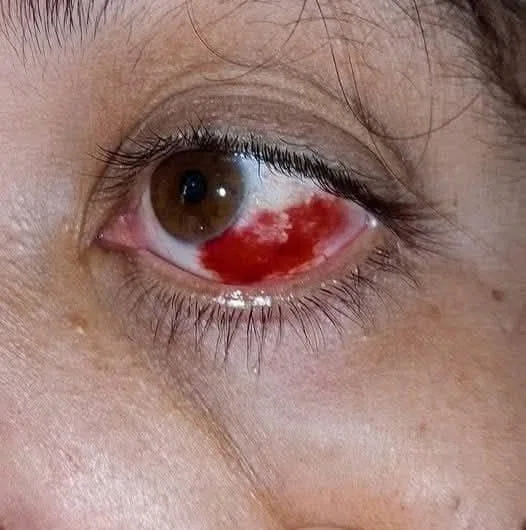
Atherosclerosis anywhere in the body raises the risk of an eye stroke, which occurs when a blood clot or piece of plaque blocks the blood supply to the eye. The Cleveland Clinic notes that this causes sudden vision changes or loss of vision in one eye . This is a medical emergency that requires immediate attention.
When to Seek Emergency Care
Certain symptoms are red flags for a life-threatening event. Call emergency services immediately if you experience chest discomfort that is crushing or severe, especially if it radiates to the arm, shoulder, or jaw, and is accompanied by cold sweat, lightheadedness, nausea, or shortness of breath . Sudden weakness or numbness on one side of the body, difficulty speaking, or sudden vision loss also require emergency evaluation .
Conclusion
The ten indicators described here are not a checklist for self-diagnosis. They are the body’s potential warning signals when arteries become severely narrowed or blocked. Because atherosclerosis often produces no symptoms until it is advanced, the most important message is not to wait for these signs. For anyone with risk factors such as high blood pressure, high cholesterol, diabetes, smoking, or a family history of heart disease, regular medical check-ups and appropriate screening are the most reliable way to detect problems early, when intervention can make the greatest difference.
Frequently Asked Questions
Can clogged arteries cause symptoms that come and go?
Yes. Symptoms like chest pain (angina) or leg cramps with walking (claudication) often occur during exertion and resolve with rest . This pattern is a warning sign that an artery is narrowed but not yet completely blocked.
Are there any signs of clogged arteries that appear at night?
Leg pain at rest, particularly at night when the leg is elevated in bed, can be a symptom of advanced peripheral artery disease. Patients often need to get out of bed or dangle their foot to relieve the pain .
Is a sudden severe headache a sign of clogged arteries?
It can be. A sudden, severe headache is listed as a symptom of a stroke or transient ischemic attack, which can be caused by atherosclerosis in the arteries leading to the brain . It requires immediate medical attention.
Do blocked arteries always cause symptoms?
No. Mild to moderate atherosclerosis usually does not cause symptoms. Symptoms typically appear only when an artery is severely narrowed or completely blocked . This is why regular check-ups are important for people with risk factors.
What should I do if I think I have symptoms of clogged arteries?
Seek medical evaluation promptly. If you experience chest pain, shortness of breath, sudden weakness or numbness, or vision changes, call emergency services immediately. For non-emergency symptoms, schedule an appointment with a healthcare provider for a proper assessment.