10 Indicators of Blocked Arteries You Shouldn’t Ignore
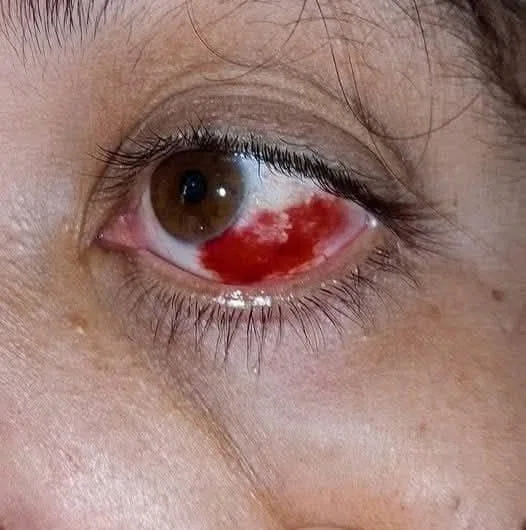
Atherosclerosis anywhere in the body raises the risk of an eye stroke, which occurs when a blood clot or piece of plaque blocks the blood supply to the eye. The Cleveland Clinic notes that this causes sudden vision changes or loss of vision in one eye . This is a medical emergency that requires immediate attention.
When to Seek Emergency Care
Certain symptoms are red flags for a life-threatening event. Call emergency services immediately if you experience chest discomfort that is crushing or severe, especially if it radiates to the arm, shoulder, or jaw, and is accompanied by cold sweat, lightheadedness, nausea, or shortness of breath . Sudden weakness or numbness on one side of the body, difficulty speaking, or sudden vision loss also require emergency evaluation .
Conclusion
The ten indicators described here are not a checklist for self-diagnosis. They are the body’s potential warning signals when arteries become severely narrowed or blocked. Because atherosclerosis often produces no symptoms until it is advanced, the most important message is not to wait for these signs. For anyone with risk factors such as high blood pressure, high cholesterol, diabetes, smoking, or a family history of heart disease, regular medical check-ups and appropriate screening are the most reliable way to detect problems early, when intervention can make the greatest difference.
Frequently Asked Questions
Can clogged arteries cause symptoms that come and go?
Yes. Symptoms like chest pain (angina) or leg cramps with walking (claudication) often occur during exertion and resolve with rest . This pattern is a warning sign that an artery is narrowed but not yet completely blocked.
Are there any signs of clogged arteries that appear at night?
Leg pain at rest, particularly at night when the leg is elevated in bed, can be a symptom of advanced peripheral artery disease. Patients often need to get out of bed or dangle their foot to relieve the pain .
Is a sudden severe headache a sign of clogged arteries?
It can be. A sudden, severe headache is listed as a symptom of a stroke or transient ischemic attack, which can be caused by atherosclerosis in the arteries leading to the brain . It requires immediate medical attention.
Do blocked arteries always cause symptoms?
No. Mild to moderate atherosclerosis usually does not cause symptoms. Symptoms typically appear only when an artery is severely narrowed or completely blocked . This is why regular check-ups are important for people with risk factors.
What should I do if I think I have symptoms of clogged arteries?
Seek medical evaluation promptly. If you experience chest pain, shortness of breath, sudden weakness or numbness, or vision changes, call emergency services immediately. For non-emergency symptoms, schedule an appointment with a healthcare provider for a proper assessment.