A mini stroke, medically known as a transient ischemic attack (TIA), is often described as a warning shot. It produces symptoms that look and feel exactly like a stroke, but they resolve—usually within minutes to an hour—leaving no permanent brain damage . Because the symptoms fade, it is tempting to dismiss a mini stroke as a fleeting oddity. That would be a dangerous mistake.
A TIA is a critical warning that a full stroke may be imminent. The risk of a major stroke is highest in the hours and days immediately following a TIA, making rapid recognition and emergency medical evaluation essential . For elderly individuals, who face higher baseline stroke risk, knowing these five signs can be the difference between a temporary warning and a life-altering event.
What Is a Mini Stroke?
A TIA occurs when blood flow to a part of the brain is temporarily blocked, often by a small clot that dissolves or moves on its own. The brain tissue in that area is starved of oxygen and nutrients, producing sudden neurological symptoms. Unlike a full stroke, the blockage is brief enough that the brain cells are not permanently damaged .
The critical point is that a TIA and a stroke are indistinguishable at the moment they occur. Even if symptoms disappear while waiting for help, medical assessment is still required. A TIA signals underlying vascular problems—such as narrowed arteries or an irregular heartbeat—that must be investigated and treated to prevent a full stroke .
The 5 Key Signs of a Mini Stroke
The main symptoms of a TIA are the same as those of a stroke. Health authorities worldwide use the FAST acronym to make them easy to remember and act upon .
1. Face Drooping
One side of the face may droop or feel numb. The person may not be able to smile evenly, or their mouth or eye may have dropped on one side . This asymmetry is one of the most recognizable signs of a neurological event affecting the brain’s motor control.
2. Arm Weakness or Numbness
The person may be unable to lift both arms and hold them up, or one arm may drift downward. Weakness or numbness on one side of the body is a hallmark of TIA and stroke . In the elderly, this can sometimes be mistaken for arthritis, fatigue, or a previous injury, but the sudden onset is the key distinguishing feature.
3. Speech Difficulty
Speech may become slurred, garbled, or difficult to understand. The person may struggle to find words, or they may not be able to speak at all despite appearing awake. They may also have trouble understanding what others are saying to them . This symptom can be particularly frightening and is a clear indication that immediate help is needed.
4. Sudden Vision Changes
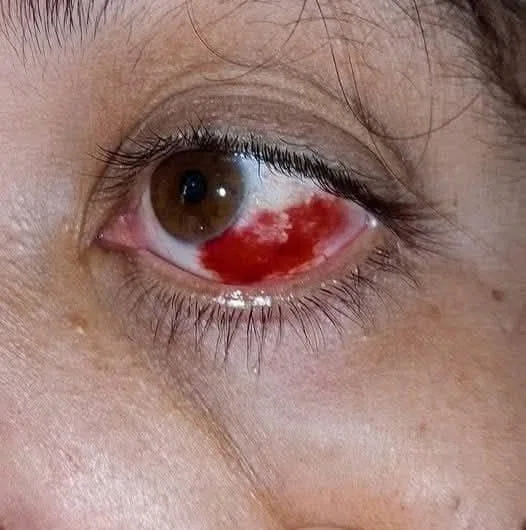
While not part of the FAST acronym, sudden vision problems are a common TIA symptom. This can include loss of vision in one eye, blurred or double vision, or a blind spot . In elderly individuals, these changes may be mistakenly attributed to eye strain or aging, but their sudden appearance is a red flag.
5. Sudden Loss of Balance or Coordination
A TIA can cause sudden dizziness, vertigo, difficulty walking, or a loss of coordination . The person may stumble, feel unsteady on their feet, or have trouble with fine motor tasks. For an older adult, this symptom carries an additional risk of falls and injury.
Additional Warning Signs
Beyond the five core signs, a TIA can produce other sudden symptoms. These include confusion, difficulty swallowing, and a severe headache with no known cause . Some research also suggests that frequent biting of the tongue or cheeks during eating, or a sudden decline in fine motor skills like holding utensils, can be subtle early indicators of a mini stroke in the elderly, though these are not part of the standard diagnostic criteria .
What to Do If You Recognize These Signs
The correct response to any of these symptoms is to call emergency services immediately . Do not wait to see if the symptoms resolve. Do not drive the person to the hospital yourself unless there is no other option.
Even if the symptoms disappear completely before help arrives, the person still needs a hospital assessment. The window of opportunity to prevent a full stroke is narrow, and doctors may initiate treatments such as aspirin or other medications to reduce the risk . After the immediate crisis, a specialist will investigate the cause of the TIA—whether it be narrowed arteries, a heart rhythm problem, or another vascular issue—and develop a plan to lower the risk of a future stroke .
Conclusion
A mini stroke is not a minor event. It is a medical emergency and a clear warning that the brain is at risk. The five signs—face drooping, arm weakness, speech difficulty, vision changes, and sudden loss of balance—are the body’s way of signaling that blood flow to the brain is being compromised. For elderly individuals and those who care for them, recognizing these signs and acting quickly is the most effective way to prevent a devastating stroke. When it comes to a TIA, time is not just about recovery from the current episode; it is about protecting the future.
Frequently Asked Questions
How long does a mini stroke last?
The symptoms of a TIA usually last from a few minutes up to an hour, and they resolve completely. However, the risk of a subsequent stroke remains high, so medical evaluation is urgent regardless of how quickly the symptoms pass .
Is a mini stroke painful?
Most TIAs are not painful. The symptoms are typically neurological—weakness, numbness, vision changes, or speech difficulty—rather than painful. A sudden severe headache can occur but is less common .
Can a mini stroke happen without noticeable symptoms?
Some TIAs may be brief or subtle enough to go unnoticed, or the symptoms may be attributed to other causes. However, the underlying vascular risk remains. If you suspect you or someone else may have had a TIA, even if symptoms have passed, an urgent medical evaluation is recommended .
What is the difference between a mini stroke and a stroke?
The symptoms are identical. The difference is that a TIA resolves without permanent brain damage, while a stroke causes lasting injury. Because it is impossible to tell them apart at the onset, any suspected TIA must be treated as an emergency .
Are elderly people at higher risk for mini strokes?
Yes. Age is a significant risk factor for both TIA and stroke. Other risk factors that are common in older adults include high blood pressure, diabetes, high cholesterol, and heart conditions such as atrial fibrillation .