Understanding Heart Attack Warning Signs and Prevention
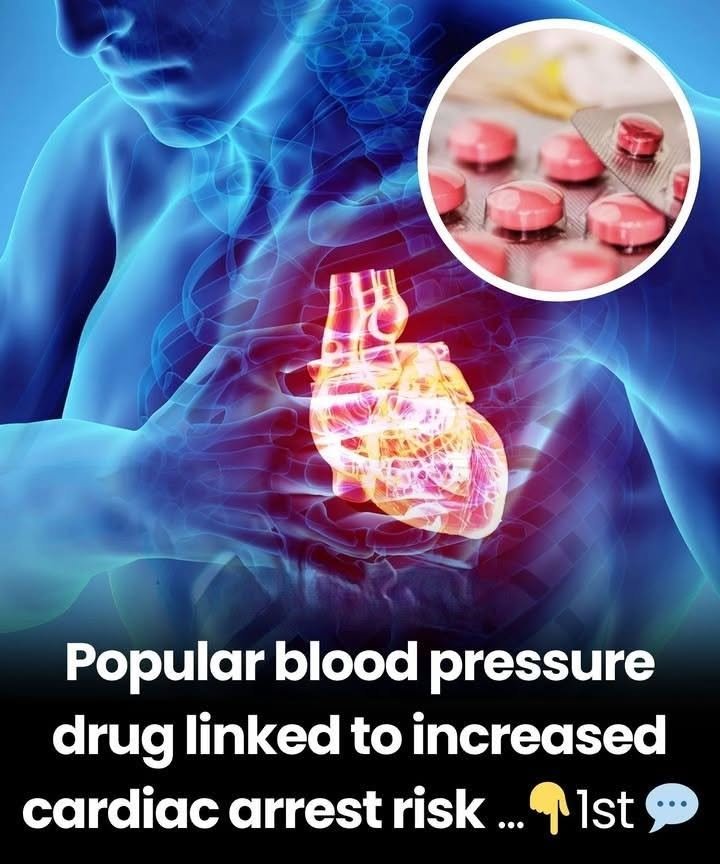
The image above shows a person clutching their chest, with a glowing heart. This is a common visual representation of a heart attack. A heart attack occurs when one of the coronary arteries gets blocked and the heart muscle is robbed of vital blood supply. Recognizing the warning signs and knowing how to respond can save a life.
Recognizing the Symptoms
A heart attack can cause chest pain, but it is not always sudden or severe. Many people experience warning signs hours, days, or even weeks in advance. Common symptoms include pressure, squeezing, or fullness in the chest. Pain or discomfort may spread to the arms, back, neck, jaw, or stomach. Shortness of breath, cold sweats, nausea, and lightheadedness are also common.
Silent Heart Attacks
Some heart attacks happen without obvious symptoms. These are called silent heart attacks. They may be mistaken for a bad case of the flu or indigestion. People with diabetes or those with a history of heart disease are at higher risk. Regular checkups with your doctor can help identify issues before they become serious.
Risk Factors You Can Control
Several factors increase the risk of a heart attack. Smoking, high blood pressure, high cholesterol, and diabetes are major contributors. Lifestyle choices such as a poor diet, lack of exercise, and excessive alcohol consumption also play a role. Managing these factors through healthy habits can significantly reduce your risk.
The Importance of Early Action
If you or someone you know is experiencing symptoms of a heart attack, call emergency services immediately. Do not wait to see if the symptoms pass. Early treatment can prevent permanent damage to the heart muscle and save lives. Time is muscle, so quick action is critical.
Prevention Through Healthy Living
Preventing a heart attack starts with a healthy lifestyle. Eat a balanced diet rich in fruits, vegetables, whole grains, and lean proteins. Stay physically active. Maintain a healthy weight. Avoid smoking and limit alcohol. Manage stress through relaxation techniques like deep breathing or meditation. Regular checkups with your doctor can help monitor your heart health.
When to See a Doctor
If you have any concerns about your heart health, talk to your doctor. They can assess your risk factors and recommend a plan to keep your heart healthy. Do not ignore warning signs. Listen to your body and seek help when needed.
Your heart health is important. Stay informed and take action to protect it.