The Mystery of the Antique Fork: Why an Ornate Silver Tool Was Hiding in Your Grandma’s Dresser
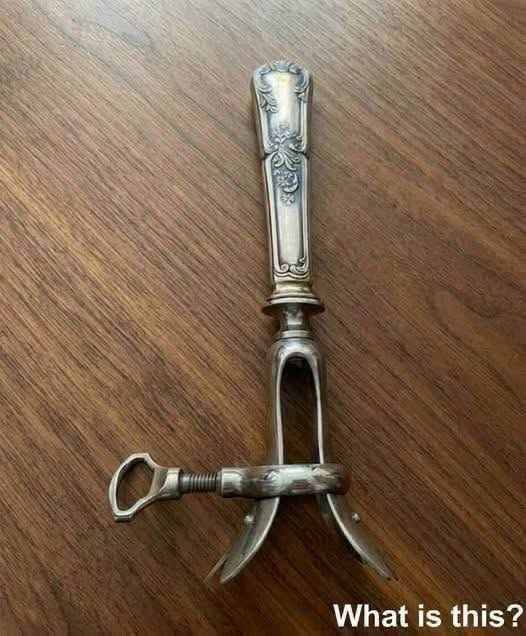
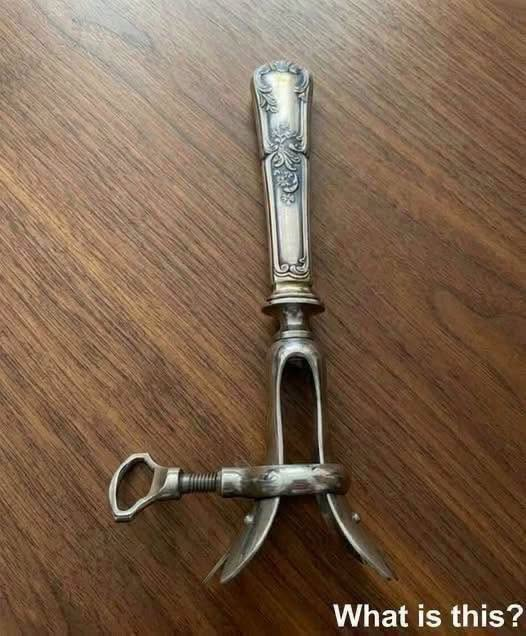
Finding a mysterious object while sorting through a loved one’s belongings can be both puzzling and fascinating. The item in the image—a silver-handled tool with a fork-like mechanism at the base and a small turn screw—is not a common kitchen gadget, but a specialized piece of antique dining ware. While the image displays a silver-handled tool, search results identify it as an antique leg of lamb holder, known in French as a manche à gigot . This elegant tool, designed to hold a large cut of meat steady during carving, was a staple in formal dining rooms of the 19th and early 20th centuries.
What Is a Manche à Gigot?
A manche à gigot is a specialized carving accessory used to secure a leg of lamb, ham, or other large roast while it is being sliced. The tool consists of a decorative handle—often made of silver or silver plate—connected to a clamp mechanism at the bottom. The two curved prongs at the base are designed to grip the bone or the meat itself, while the small turn screw on the side tightens the clamp to hold the joint firmly in place. This allowed the carver to make precise, even slices without the meat slipping or sliding on the platter. The example in the image features a highly ornate silver handle with engraved floral patterns, characteristic of fine dining pieces from the Victorian or Edwardian eras .
How Was This Tool Used?
Using a manche à gigot was a two-step process that reflected the formality of traditional table service. First, the carver would insert the two prongs of the clamp into the meat, positioning them on either side of the bone. Then, they would turn the small screw mechanism to tighten the grip, securing the roast. With the meat held firmly, the carver could then use a carving knife to slice the meat cleanly. The handle was designed to be held in one hand, while the other hand wielded the knife. This tool was particularly useful for large joints, such as a leg of lamb or a whole ham, which could be unwieldy on a serving platter. The presence of a turn screw suggests that the user could adjust the clamp to accommodate different sizes of meat, making it a versatile addition to the carving set.
The History and Significance of Carving Tools
In the 19th and early 20th centuries, carving was considered an art form and a symbol of hospitality. A well-carved roast was a point of pride for the host, and the tools used for the task were often displayed as part of the dining room’s silver collection. The manche à gigot was a status item, often made of fine silver and sold by jewelers and silversmiths . These tools were frequently given as wedding gifts or inherited as family heirlooms, which explains why so many are found in the dressers and drawers of older relatives. The ornate design of the handle—with its floral motifs and elegant curves—indicates that this was not a utilitarian object but a piece meant to be seen and admired. It was part of a larger set of carving utensils that might have included a carving knife, a sharpening steel, and a fork.
Why Was It in the Dresser?
Finding a carving tool in a dresser rather than a kitchen drawer might seem odd today, but it makes sense in the context of older homes. Silver and silver-plated items were often stored in dressers or buffets in the dining room, away from the heat and moisture of the kitchen. These pieces were typically used only for special occasions, such as Sunday roasts or holiday dinners, and they were often wrapped in cloth or kept in a dedicated box to prevent tarnishing. The dresser may have been the closest storage space to the dining table, making it a convenient place to keep the carving set. Alternatively, the tool might have been packed away and forgotten after a move or a change in household routines.
Distinguishing It from Other Antique Tools
The manche à gigot is sometimes confused with other antique implements, such as a cork extractor or a pair of sugar tongs. However, the key distinguishing feature is the clamp mechanism: the two curved prongs at the base are designed to grip meat, not to pull a cork or pick up sugar cubes. The turn screw on the side is also a clear indicator, as it is used to tighten the clamp around the bone. While some online commenters have suggested that similar tools were used for opening fragile wine corks or for holding other objects , the consensus among antique experts is that the manche à gigot was specifically designed for carving large roasts. The size and weight of the tool in the image—substantial enough to hold a heavy joint—further support this identification.
Caring for and Preserving the Heirloom
If you decide to keep this piece, it is important to care for it properly to preserve its condition. Silver and silver-plated items should be cleaned with a gentle silver polish and a soft cloth, avoiding abrasive materials that could scratch the surface. The mechanism should be checked for stiffness; a small drop of mineral oil on the screw can help it turn smoothly. Store the tool in a dry place, ideally wrapped in tarnish-resistant cloth, to prevent oxidation. If you are unsure whether the handle is solid silver or silver plate, a jeweler or antique appraiser can help you determine its value. The ornate design and the completeness of the mechanism make it a collectible item, even if it is not solid silver .
Conclusion
The silver-handled tool discovered in your grandmother’s dresser is an antique leg of lamb holder, a manche à gigot that was once a prized part of formal dining sets. Its presence in the dresser is a reminder of a time when carving a roast was a ceremonial occasion, and the tools used for the task were as decorative as they were functional. While it may not be used in modern kitchens, it is a beautiful piece of history that connects your family to the dining traditions of the past. Whether you choose to display it, sell it, or simply keep it as a memento, this tool offers a tangible link to the elegance and craftsmanship of an earlier era.
SEO Information
1. SEO Title: The Mystery of the Antique Fork: Why an Ornate Silver Tool Was Hiding in Your Grandma’s Dresser
3. Meta Description: Found an ornate silver tool with a fork and screw in your grandma’s dresser? Discover why it’s an antique leg of lamb holder, known as a manche à gigot.
4. Primary Keyword: antique leg of lamb holder
5. Secondary Keywords:
manche à gigot
antique carving fork
silver meat holder
vintage carving tools
antique dining accessories
6. Suggested Image Alt Text: An ornate silver-handled antique carving tool with a clamp and turn screw, known as a manche à gigot or leg of lamb holder, resting on a wooden surface.