The Vintage Silver Tool in Grandma’s Dresser: What Is This Antique Kitchen Gadget?
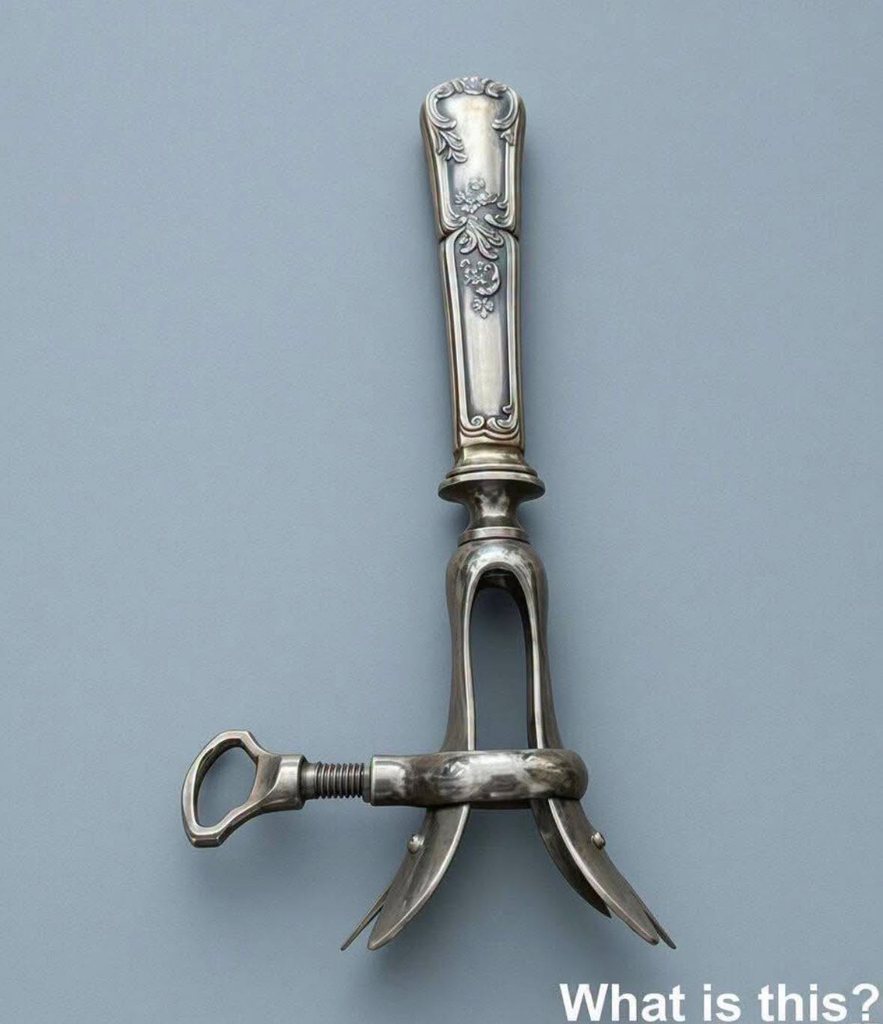
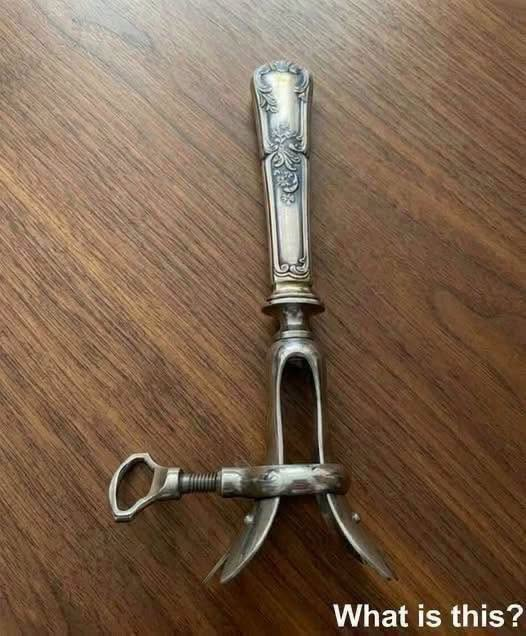
Finding an unfamiliar object while sorting through the belongings of a loved one who has passed away is a common and often emotional experience. The item might look like a strange piece of cutlery, a medical instrument, or a mechanical curiosity. When a photo of a specific silver-handled tool recently circulated online with the caption, “Found this in my grandma’s dresser… None of us have a clue what it is,” it sparked a wave of curiosity and speculation. The object features an ornate, silver-plated handle, a central column, and two curved metal prongs that are adjusted by a threaded screw mechanism.
The mystery is not a mystery at all to antique kitchen collectors. This distinctive implement is a meat holder, also known as a meat clamp, a roast holder, or, in French, a manche à gigot (literally “leg handle”). It is a specialized tool from a bygone era of formal dining and large Sunday roasts. Understanding what this tool is, how it was used, and why it disappeared from modern kitchens offers a fascinating glimpse into the history of cooking, etiquette, and household technology.
Identifying the Meat Holder: A Tool of the Carving Set
To the modern eye, the tool in the image resembles something from a blacksmith’s forge or a vintage medical kit. However, its purpose was entirely domestic. The meat holder was designed to firmly grip a large cut of meat—such as a leg of lamb, a roast of beef, or a whole ham—while it was being carved at the dining table or in the kitchen.
The Anatomy of the Tool
The object consists of three main components:
The Handle: The ornate, silver-plated handle, often decorated with floral or scroll patterns, was designed to match the rest of a family’s silverware. It allowed the user to hold the tool comfortably and with a firm grip. The decorative nature of the handle indicates that this tool was not just a kitchen utility but a piece of tableware meant to be seen by guests.
The Central Shaft: The handle connects to a central metal column that transitions into a U-shaped frame.
The Clamping Prongs: The two curved metal prongs at the bottom are the functional heart of the tool. Unlike a fork, which pierces the meat, these prongs are designed to clamp around the sides of the roast or the bone.
The Screw Mechanism: The most distinctive feature is the threaded screw mechanism on a horizontal bar. By turning the looped handle on the side, the user could tighten or loosen the prongs, clamping down securely on the meat.