The Antique Tool in Your Grandmother’s Dresser: It’s a Vintage Leg of Lamb Holder
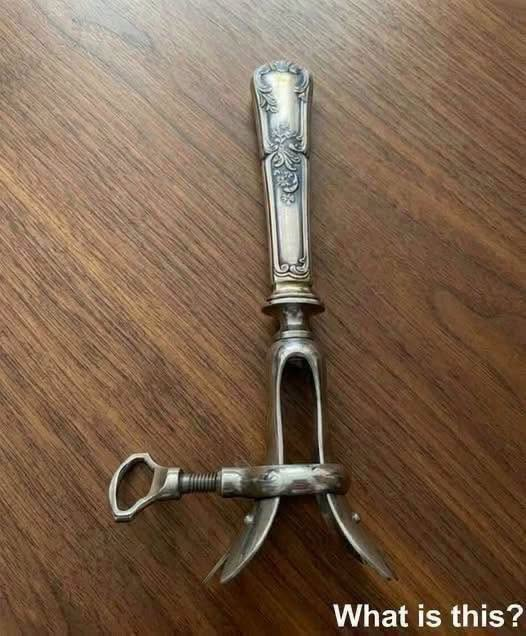
Finding an unfamiliar, ornate metal tool in a loved one’s belongings often leads to a moment of curiosity and confusion. The object in your photograph, with its decorative handle, forked prongs, and a distinct screw mechanism, looks like it could be a medical instrument or a strange piece of silverware. The good news is that it is neither mysterious nor alarming. This is a classic piece of antique dining ware known as a leg of lamb holder, or in French, a manche à gigot .
This elegant tool was once a common sight on the dining tables of formal households, designed to solve a very specific carving problem. Understanding its purpose and history can turn this puzzling discovery into a cherished connection to your grandmother’s era.
What Is a Manche à Gigot?
The name “manche à gigot” literally translates from French to “leg of lamb handle” . It is a specialized carving accessory used to hold a large cut of meat—most commonly a leg of lamb or a ham—securely in place while it is being carved. The tool consists of a decorative handle, a central shaft, and two curved prongs that are driven into the meat. A screw mechanism, operated by the ring at the end, tightens the prongs to grip the bone or the meat firmly .
How It Works and Why It Was Needed
Before the advent of modern, non-slip cutting boards and stabilized roasting pans, carving a large, unwieldy joint of meat was a difficult and potentially dangerous task. The meat could easily slide around the platter, making it hard to get clean, even slices. The leg of lamb holder solved this problem. The cook would spear the roast with the prongs, tighten the screw to secure it, and then use the handle to hold the meat steady. This allowed for safe, precise carving and ensured that every guest received a perfectly cut portion.
The object in your photo shows the characteristic features of this tool: the ornate silver handle (often made of sterling silver or silver plate) and the mechanical prongs at the other end . The design is both functional and aesthetic, reflecting the importance placed on elegant table service in the late 19th and early 20th centuries.
A Piece of Dining History
This tool is a relic of a bygone era of formal dining. In the Victorian and Edwardian periods, and well into the mid-20th century, meals were often elaborate affairs. Specialized utensils for every conceivable task were the norm, from asparagus tongs to sugar nips. The leg of lamb holder was a mark of a well-equipped household, and its presence in your grandmother’s dresser suggests she, or someone in her family, valued the tradition of a properly served roast.
Where Was It Made?
Many of these holders, particularly the more ornate examples, originated in France. The one in your photograph, with its Art Nouveau-style floral ornamentation on the handle, is consistent with French silverware designs from the late 19th or early 20th century . Similar antique pieces from France, dating to around 1900 and made of fine silver, are considered collectible items today . While it is difficult to determine the exact origin without seeing any hallmarks, the style is strongly suggestive of European craftsmanship.
Is It Valuable?
The value of a leg of lamb holder depends on its material, condition, and maker. Antique examples made of solid silver can command prices in the hundreds of dollars, as seen with similar items listed by antique dealers . Even silver-plated versions are sought after by collectors of vintage kitchenware and dining antiques. Beyond its monetary value, however, the piece holds significant sentimental worth as a tangible link to your grandmother’s life and the way she entertained.
What to Do with This Discovery
Now that you know what the object is, you have a few options for how to handle it.
Keep It as a Family Heirloom
If you enjoy cooking or appreciate history, you could clean it up and use it. It remains a perfectly functional tool for carving a leg of lamb or a ham, and using it would be a wonderful way to honor your grandmother’s memory. Displaying it in a cabinet or on a shelf is another option, allowing it to serve as a conversation piece.
Research Its Hallmarks
Take a closer look at the metal, particularly the handle and the shaft. Look for small stamped symbols, known as hallmarks. These can indicate the metal content (such as sterling silver), the maker, and the city and year of manufacture. A jeweler or an antique dealer can help you decipher these marks, which can provide more insight into the tool’s specific history and value.
Consult an Expert
If you are interested in selling it or simply want to know more, a local antique appraiser or a dealer specializing in silver and vintage kitchenware can provide an accurate assessment. They can confirm the material and give you a sense of its current market value.
Conclusion
The mysterious object from your grandmother’s dresser is a leg of lamb holder, a beautiful and practical antique tool for carving large roasts. Its presence speaks to a time when dining was a more formal affair and specialized utensils were a point of pride. Rather than being a source of confusion, this discovery is a wonderful piece of history. It is a small, elegant artifact that connects you to your grandmother’s world and the traditions she held dear.
Frequently Asked Questions
What is this object called?
It is a leg of lamb holder, known in French as a manche à gigot . It is also sometimes called a lamb shank holder or a meat holder.
How old is it likely to be?
Based on its ornate, Art Nouveau-style design, it most likely dates from the late 19th or early 20th century (circa 1900) .
Is it worth any money?
It can be. Antique silver examples are collectible and can sell for hundreds of dollars, depending on the maker and condition . Even silver-plated versions have value to collectors. Its primary worth, however, is likely sentimental.
Can I still use it?
Yes, it is a functional tool. After a gentle cleaning, it can be used to hold a roast steady while carving, just as it was intended to be used.
How do I clean it?
Use a gentle silver polish if it is tarnished, and avoid abrasive cleaners that could scratch the metal. If you are unsure of the material, test a small, inconspicuous area first or consult a professional.