Sofa Mystery: What Those Tiny White Eggs and Brown Insects Actually Are
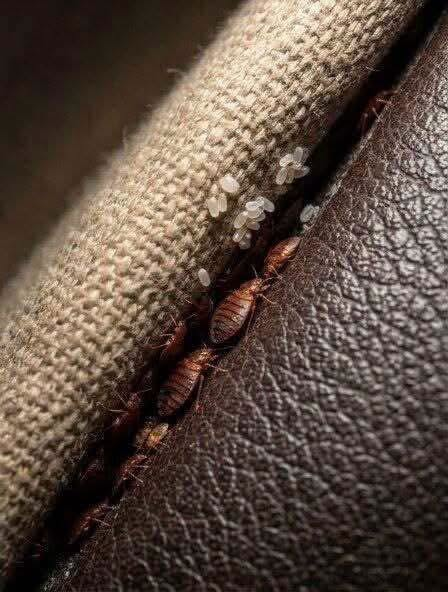
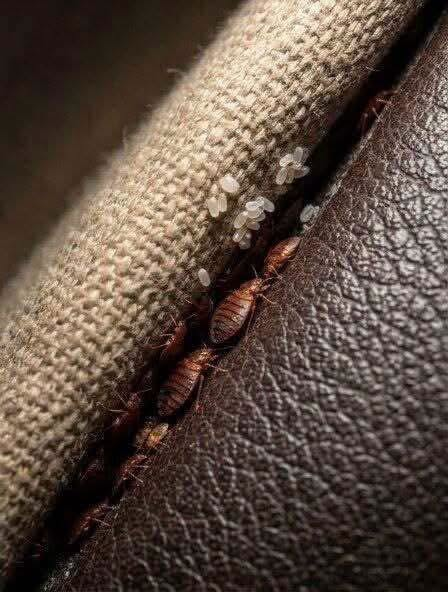
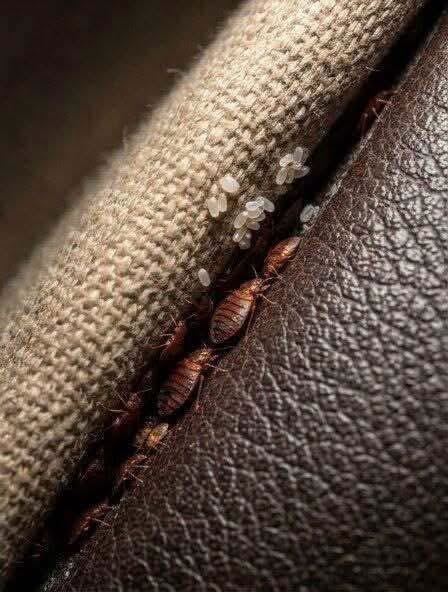
Finding a cluster of tiny white eggs and brown insects tucked into the seam of your sofa is enough to make anyone’s skin crawl. Your immediate fear—that these are bed bugs—is completely understandable, as bed bugs are notorious for hiding in exactly this kind of dark, sheltered crevice. However, before you panic, it is important to look at the visual evidence carefully. The insects in your photograph do not appear to be bed bugs. They are far more likely to be plaster bagworms (also known as household casebearers), a type of moth larva that is harmless to humans and feeds on spider webs and dust rather than blood.
Why These Are Unlikely to Be Bed Bugs
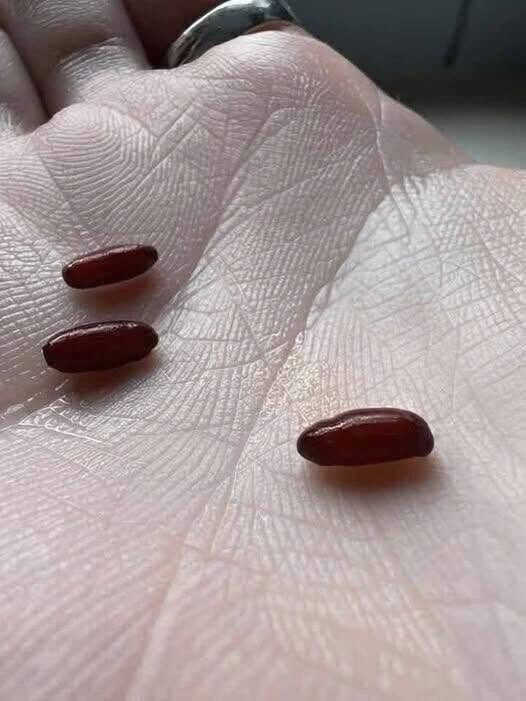
Bed bugs have a very specific appearance that differs from the insects in your photo. Adult bed bugs are flat, oval-shaped, and reddish-brown, roughly the size of an apple seed . The insects in your image have a more elongated, segmented body and appear to be attached to or emerging from a protective casing.
More importantly, the white objects in the seam are not consistent with bed bug eggs. Bed bug eggs are extremely small (about 1 millimeter), white, and pear-shaped, and they are usually glued individually to surfaces rather than clustered in a loose, fluffy mass . The white material in your photo looks more like the silk and debris that make up the protective case of a plaster bagworm larva.
The Plaster Bagworm Explanation
Plaster bagworms (Phereoeca uterella) are the larvae of a small moth. They are closely related to clothes moths and are common household pests in humid environments . The larvae construct a flattened, seed-like case from silk, sand, lint, and other debris, and they drag this case around with them as they move .
These larvae are primarily detritus feeders. Their main food source is spider webs, but they also feed on dead insects, human hair, dander, and occasionally natural fibers like wool . They do not bite humans, and they do not feed on blood. Finding them in a sofa seam is common, as these areas accumulate dust, lint, and spider webs, providing an ideal food source.
What You Should Do Next
Since these insects are not a health threat, there is no need for alarm. The goal is simply to eliminate their food source and remove them from your home.
Clean the Area Thoroughly
The most effective control method for plaster bagworms is good housekeeping. Use a vacuum with a crevice attachment to thoroughly clean the seam of the sofa, removing the insects, their cases, and any accumulated dust or spider webs . After vacuuming, dispose of the vacuum bag or empty the canister outside.
Inspect and Clean Surrounding Areas
Plaster bagworms often originate in out-of-the-way places where spider webs and dust accumulate, such as under furniture, in closets, or near baseboards . Check these areas and remove any visible webs or cases. Reducing the humidity in your home can also help, as these pests thrive in damp conditions .
Monitor the Sofa
After cleaning, keep an eye on the seam for a few days. If you see more cases appearing, it may indicate a larger population in the room. In most cases, thorough cleaning is sufficient to resolve the issue. If the problem persists, a pest control professional can confirm the identification and recommend targeted treatment.
Conclusion
The insects in your sofa seam are almost certainly plaster bagworms, not bed bugs. They are a nuisance pest that feeds on dust and spider webs, but they do not bite and pose no direct threat to you or your family. By vacuuming the area thoroughly and reducing dust and spider webs in your home, you can eliminate their food source and prevent them from returning. The initial alarm is understandable, but the visual evidence points to a much less concerning explanation than bed bugs.
Frequently Asked Questions
Are these bed bugs?
Based on the visual evidence, no. Bed bugs are flat, oval, and reddish-brown, and their eggs are tiny and pear-shaped. The insects in the photo have the elongated, segmented appearance of moth larvae, and the white material resembles the silk casing of a plaster bagworm .
Are plaster bagworms dangerous?
No. They do not bite, sting, or carry diseases. They are a nuisance pest that feeds on spider webs, dead insects, and dust .
Why are they in my sofa?
Sofa seams accumulate dust, lint, and spider webs, which are the primary food sources for plaster bagworms. They are simply looking for a sheltered place with available food .
How do I get rid of them?
Thorough vacuuming of the affected area, including the seams and crevices, is usually sufficient. Remove any spider webs and dust from the surrounding area to eliminate their food source .
Should I call a pest control professional?
If you have cleaned thoroughly and still see a persistent infestation, or if you are unsure of the identification, a professional can confirm the pest and recommend treatment. However, for a small number of plaster bagworms, cleaning is often all that is needed.