How to Relieve Sciatic Nerve Pain: Understanding the Causes and Finding Effective Relief
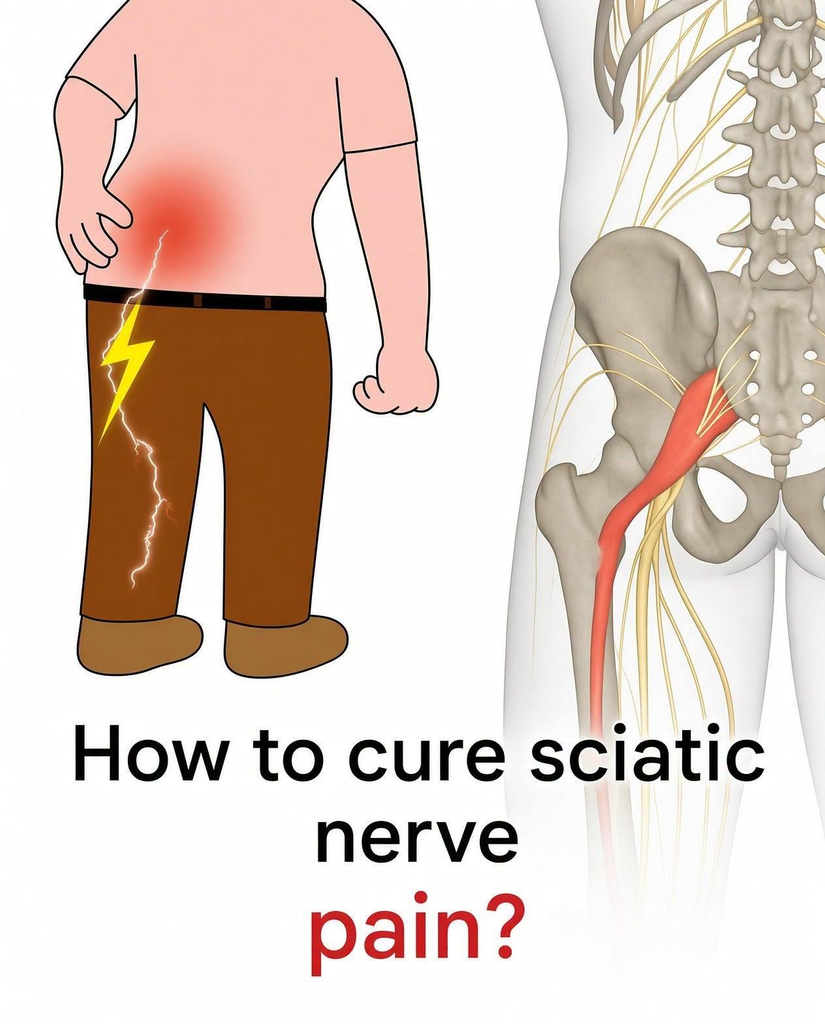
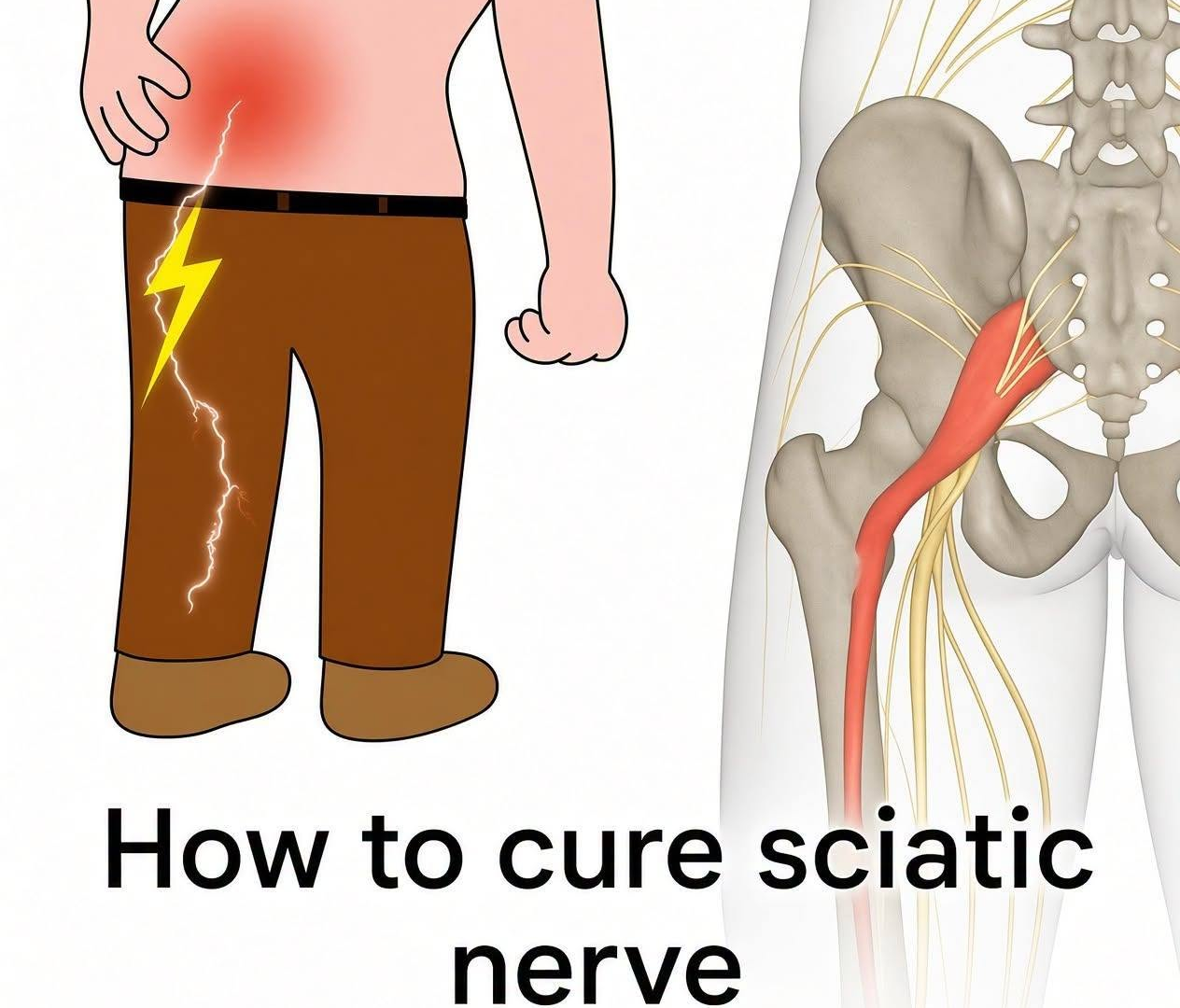
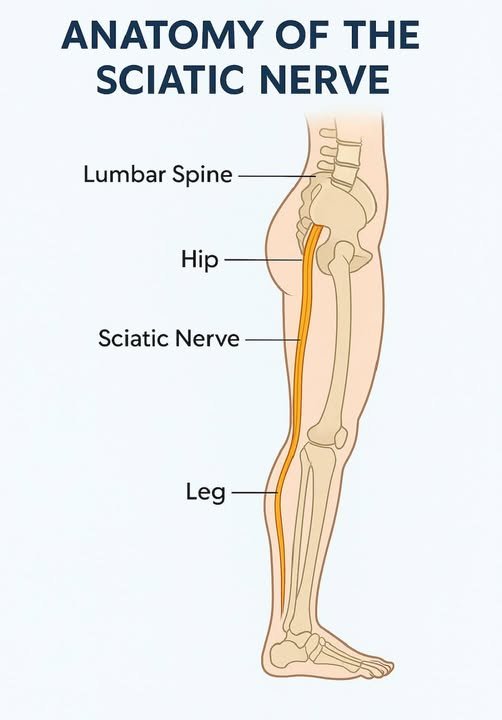
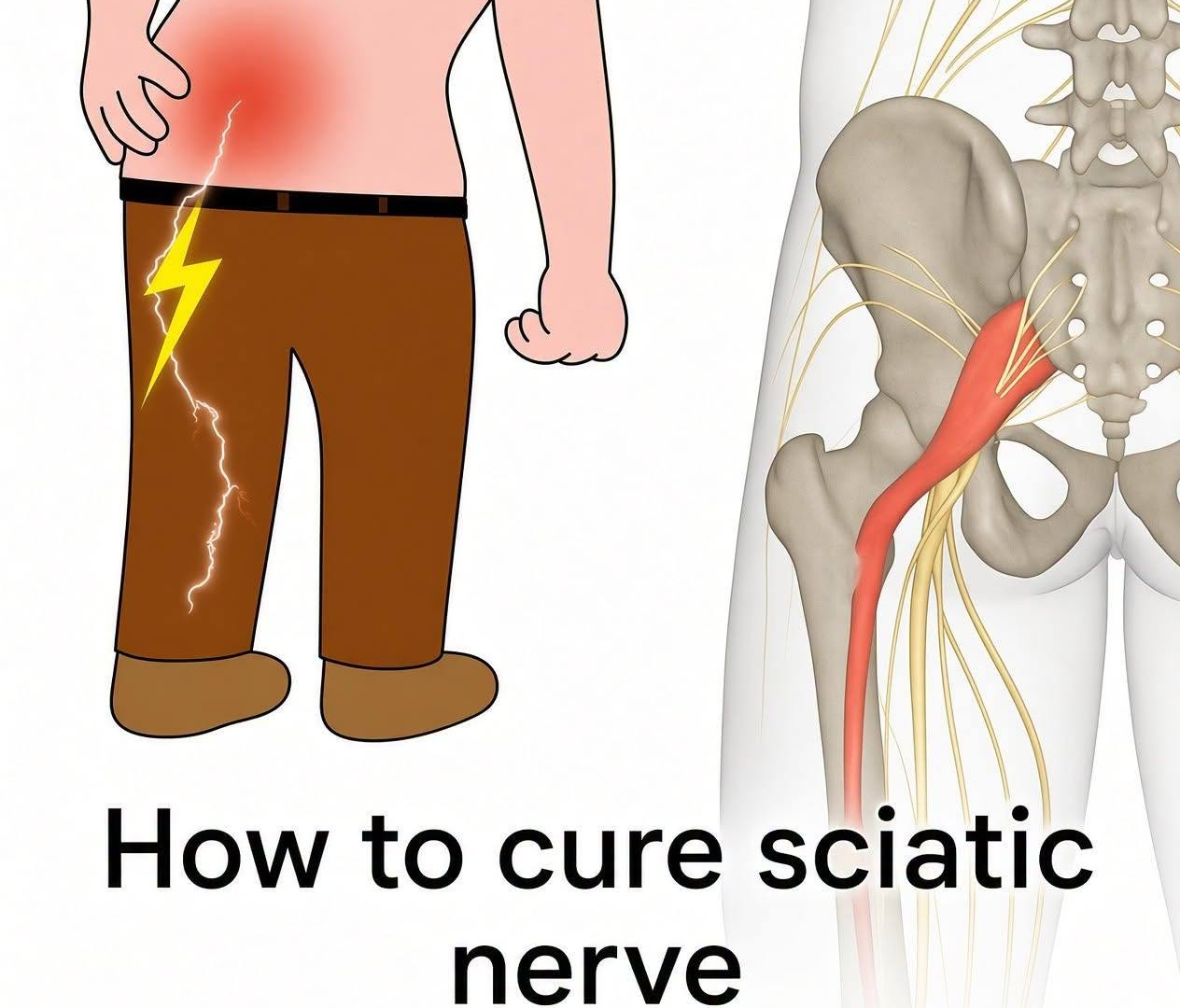
Sciatica is not a disease in itself but a symptom of an underlying medical condition. It refers to pain that radiates along the path of the sciatic nerve, which branches from the lower back, runs through the hips and buttocks, and extends down each leg. For those who experience it, the pain can be sharp, shooting, burning, or accompanied by numbness and tingling. It can make sitting, standing, and walking unbearable, turning simple daily tasks into significant challenges.
The good news is that the vast majority of people with sciatica recover without surgery. Understanding what causes the nerve to become irritated, how to manage the pain at home, and when to seek professional help can make a significant difference in the recovery process. This article explores the anatomy of the sciatic nerve, the most common causes of sciatic pain, practical exercises and lifestyle changes that can provide relief, and the red flags that warrant immediate medical attention.
Understanding the Sciatic Nerve and Its Role
The sciatic nerve is the longest and thickest nerve in the human body. It is actually composed of five nerve roots that originate in the lower spine (lumbar and sacral regions) and merge into a single large nerve that travels down the back of each leg. It is responsible for providing sensation to the skin of the foot and the back of the thigh, as well as controlling the muscles of the lower leg and foot.
Because the nerve travels such a long distance, it can be compressed or irritated at various points along its path. The most common site of compression is in the lower back, where a herniated disc or a bone spur can press against the nerve roots. Another common site is in the buttocks, where the nerve passes under or through the piriformis muscle. When this muscle is tight or spasming, it can irritate the sciatic nerve, a condition known as piriformis syndrome.
Common Causes of Sciatica
Sciatica is a symptom, and identifying its cause is essential for effective treatment. The most frequent causes include:
Lumbar Disc Herniation
A herniated disc occurs when the soft, gel-like center of a spinal disc pushes through a tear in its tougher outer ring. This herniated material can press directly on a nearby nerve root, causing the characteristic pain of sciatica. This is the most common cause of sciatica, particularly in younger adults.
Lumbar Spinal Stenosis
Spinal stenosis is a narrowing of the spinal canal, often due to age-related changes such as the thickening of ligaments or the growth of bone spurs. This narrowing can compress the nerve roots as they exit the spine, leading to sciatic pain. This is more common in older adults.
Piriformis Syndrome
The piriformis is a small muscle located deep in the buttocks. The sciatic nerve runs directly beneath it (and in some people, through it). If the piriformis muscle becomes tight, inflamed, or spasms, it can compress and irritate the sciatic nerve. This condition is often related to prolonged sitting, overuse, or trauma.
Other Causes
Less common causes of sciatica include spinal tumors, infections, and trauma or injury to the lower back or pelvis. In rare cases, conditions like pregnancy can cause sciatica due to the pressure of the growing uterus on the sciatic nerve.
Home Remedies and Exercises for Relief
For most people, sciatica improves with conservative, non-surgical treatments. The goal is to reduce inflammation, relieve pressure on the nerve, and improve mobility. It is important to note that prolonged bed rest is no longer recommended; gentle, regular movement is more effective for recovery.
Gentle Stretching
Stretching can help relieve tension in the muscles that may be compressing the nerve. The knee-to-chest stretch is a gentle way to open up the lower back. Lie on your back, pull one knee toward your chest, and hold for a few seconds. The figure-four stretch (piriformis stretch) is particularly helpful for piriformis syndrome. Sit in a chair, cross one ankle over the opposite thigh, and gently lean forward. These stretches should be performed slowly and without forcing.
Low-Impact Exercise
Once the acute pain begins to subside, low-impact exercises like walking or swimming can help improve circulation and strengthen the muscles that support the spine. Walking is one of the best activities for sciatica because it keeps the body moving without placing excessive stress on the lower back.
Heat and Cold Therapy
Applying an ice pack to the affected area for 15-20 minutes at a time can help reduce inflammation in the first few days. After that, a heating pad or a warm bath can help relax tense muscles and soothe the pain.
Over-the-Counter Medications
Non-steroidal anti-inflammatory drugs (NSAIDs) like ibuprofen can help reduce inflammation and relieve pain. However, they should be used as directed and not for extended periods without consulting a doctor.
When to See a Doctor
While most cases of sciatica resolve on their own, certain symptoms require immediate medical attention. Seek emergency care if you experience:
Sudden, severe pain in your lower back or leg
Numbness or muscle weakness in the affected leg
Loss of bladder or bowel control
Numbness in the genital area or saddle region
These symptoms can indicate a serious condition called cauda equina syndrome, which requires urgent surgical intervention. If your pain is severe, persistent, or accompanied by these red flags, consult a healthcare professional immediately.
Conclusion: A Path to Recovery
Sciatica can be a painful and disruptive condition, but it is not a life sentence. By understanding the causes, engaging in gentle and appropriate exercise, and knowing when to seek professional help, most people can find relief and return to their normal activities. Patience and a consistent, gentle approach to movement are key. The body is remarkably resilient, and with the right care, the irritated nerve can calm down, allowing you to move freely again.
Frequently Asked Questions
What is the fastest way to relieve sciatica pain?
There is no single “fastest” way, but a combination of gentle stretching (like the knee-to-chest stretch), short periods of walking, and over-the-counter anti-inflammatories can help. Avoid bed rest, as it can make the pain worse.
What should I avoid doing with sciatica?
Avoid heavy lifting, twisting movements, and prolonged sitting or standing. Do not force a stretch if it causes sharp pain. Stop any activity that worsens your symptoms.
Can sciatica go away on its own?
Yes. The vast majority of sciatica cases (around 80-90%) resolve within a few weeks to a few months with conservative care.
Is walking good or bad for sciatica?
Walking is generally good for sciatica. It is a low-impact exercise that keeps the spine moving and improves circulation. Start with short walks and gradually increase the duration as tolerated.
When should I see a doctor for sciatica?
You should see a doctor if your pain is severe, does not improve with home care, or if you experience numbness, weakness, or loss of bladder/bowel control. These are red flags that require immediate medical evaluation.