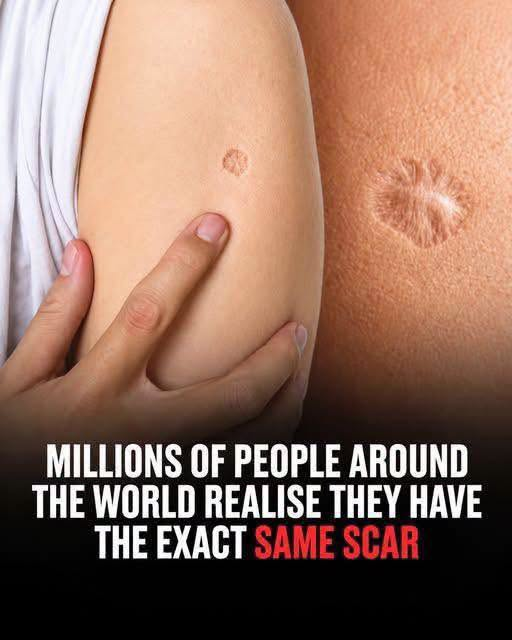
The Mystery of the Universal Arm Scar: Why Millions Share This Identical Mark
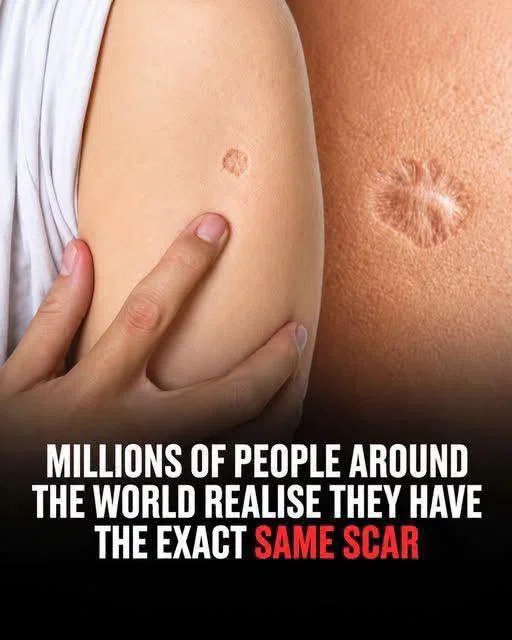
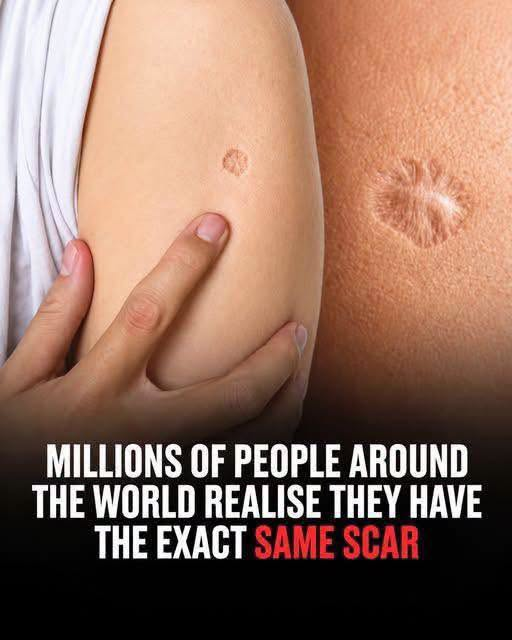
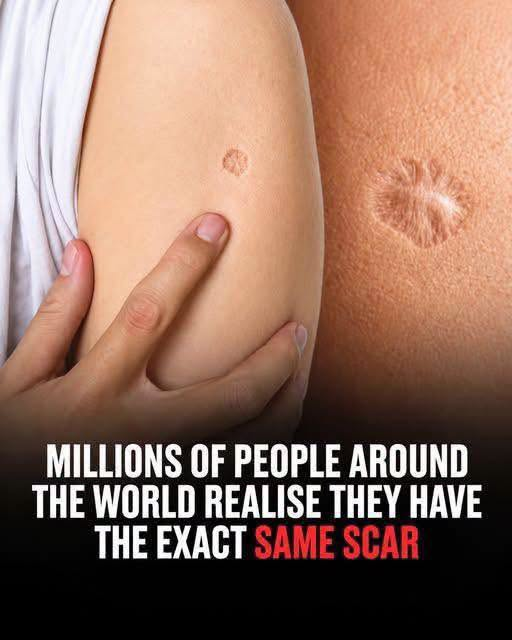
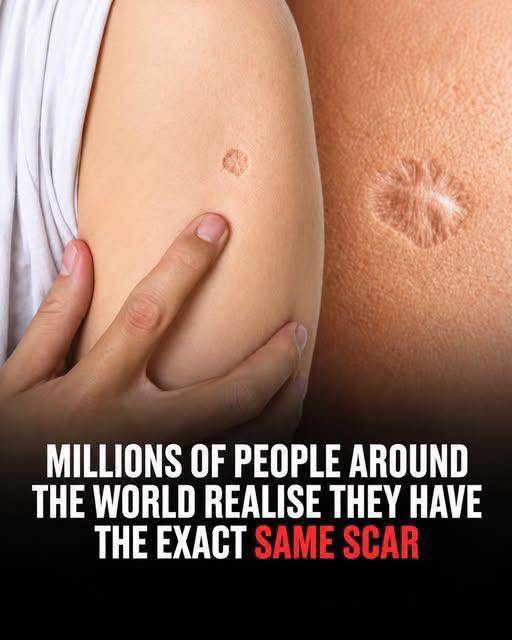
A small, circular, slightly indented scar on the upper arm is one of the most common—and least questioned—marks on the human body. Millions of people around the world carry this identical scar, often without knowing where it came from or why it looks the way it does. The viral post highlighting this phenomenon has sparked a global conversation, with people comparing photos and sharing memories of a mark that connects generations across continents.
The answer, once revealed, is surprisingly simple: this is the scar left by the BCG vaccine, a childhood immunization against tuberculosis. It is not a birth defect, an injury, or a sign of something sinister. It is a badge of protection against one of history’s most persistent diseases, and its distinctive appearance is the result of the body’s immune response to a live, weakened strain of bacteria.
What Is the BCG Vaccine?
The BCG vaccine—short for Bacille Calmette-Guérin—is a vaccine primarily used against tuberculosis (TB), a bacterial infection that typically affects the lungs but can spread to other parts of the body. The vaccine contains a weakened strain of Mycobacterium bovis, a bacterium that causes tuberculosis in cattle. By introducing this attenuated strain into the body, the immune system is trained to recognize and fight off the related bacterium that causes TB in humans.
The BCG vaccine is not routinely given in the United States, but it is part of standard childhood immunization programs in many countries where TB is more common, including much of Europe, Asia, Africa, and parts of Latin America.
Why the Scar Forms
The scar is not a sign of a faulty injection or an allergic reaction. It is the visible result of the immune system responding to the vaccine. When the weakened bacteria are injected into the skin, the body mounts a localized immune response. This causes a small red bump to form, which eventually develops into a pustule, then a crust, and finally a small, slightly depressed scar.
The scar typically appears on the upper left arm, at the site where the injection was given. In some countries, the injection was administered on the inner arm to make the scar less visible. The appearance can vary slightly from person to person—some scars are more raised, others more pitted, and some are barely visible—but the circular, slightly textured mark is remarkably consistent across millions of people.
The Global Distribution of the Scar
The reason so many people share this scar is that the BCG vaccine has been administered as part of routine childhood immunization programs in many countries around the world. It is not a universal vaccine—it is not routinely given in the United States, for example, where TB is less common—but it is standard in countries where the disease poses a significant public health threat.
Why Some People Don’t Have It
If you do not have this scar, it does not mean you are unprotected or that something is wrong. It may simply mean that you were born in a country where the BCG vaccine is not part of the routine immunization schedule. It could also mean that you received the vaccine but did not develop a visible scar—this happens in a small percentage of cases and does not necessarily indicate that the vaccine was ineffective.
The Smallpox Vaccine Scar: A Similar but Different Mark
It is worth noting that another vaccine can leave a similar scar on the upper arm: the smallpox vaccine. People born before the 1970s, particularly in countries where smallpox vaccination was mandatory, often carry a circular scar from this vaccine as well.
How to Tell Them Apart
The two scars can look similar, but there are subtle differences. According to medical sources, the BCG vaccine scar is typically raised in the middle and may have more rounded edges. In contrast, the smallpox vaccine scar is usually depressed, or lower than the surrounding skin, and its edges may be more irregular. The smallpox vaccine was administered using a two-pronged needle that pricked the skin multiple times, creating a characteristic crater-like scar.
Since smallpox was declared eradicated in 1980, routine vaccination against it has stopped, so this scar is primarily seen in older generations.
The Scar as a Cultural Marker
The BCG scar has taken on an unexpected cultural significance in recent years. Online, it has sometimes been referred to as the “immigrant scar,” because it is common among people from countries where the vaccine is routine, but less common among those born in places like the United States. This label is a simplification of a complex reality, but it speaks to how a simple medical mark can become a visible signifier of background and experience.
For many people, the scar is simply a part of their body that they have never thought much about. But for those who understand its origin, it is a reminder of a time when tuberculosis was a far more common and deadly threat, and a testament to the global effort to protect children from a preventable disease.
Conclusion
The small, circular scar on the upper arm is not a mystery or a cause for concern. It is the BCG vaccine scar, a mark left by a childhood immunization that has protected millions of people from tuberculosis. Its widespread presence is a testament to the success of global vaccination programs and a reminder of the importance of public health efforts in combating infectious diseases. For those who carry it, it is a small, permanent record of a moment of care—a protective mark that connects them to generations of people around the world.
Frequently Asked Questions
What is the BCG vaccine?
The BCG vaccine is a vaccine against tuberculosis. It contains a weakened strain of bacteria that trains the immune system to fight off TB without causing the disease itself.
Why does the BCG vaccine leave a scar?
The scar forms as a result of the immune system’s response to the vaccine. The injection site develops a small bump, which may become a blister and then a scab, eventually leaving a small, circular scar.
Is the scar dangerous?
No. The scar is a normal and expected reaction to the vaccine. It is not harmful and does not require treatment.
Does the scar mean I am protected against TB?
The scar indicates that you received the vaccine, but it does not guarantee complete protection. The BCG vaccine is most effective at preventing severe forms of TB in children, but its protection can wane over time and varies between individuals.
Why do some people not have the scar?
The vaccine is not given routinely in some countries, such as the United States. Additionally, a small percentage of people who receive the vaccine do not develop a visible scar.
Is the BCG scar the same as the smallpox scar?
They can look similar, but they are different. The BCG scar is often raised in the middle, while the smallpox scar is typically depressed or crater-like. The smallpox vaccine is no longer routinely given, so that scar is mostly seen in older generations.