The Story Behind the Scar Millions of People Share: BCG and Smallpox Vaccines
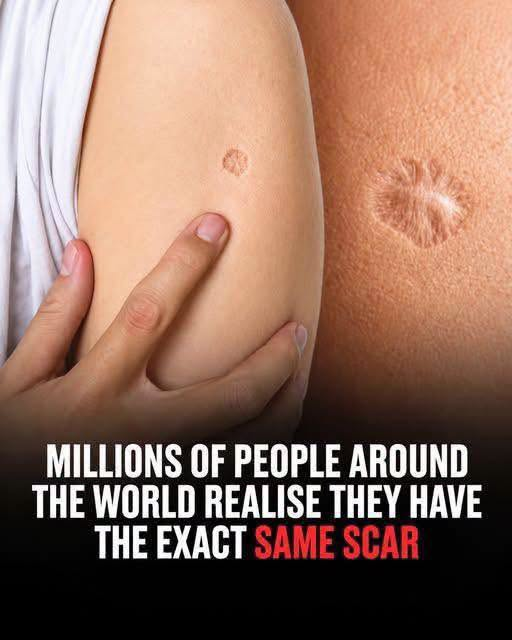
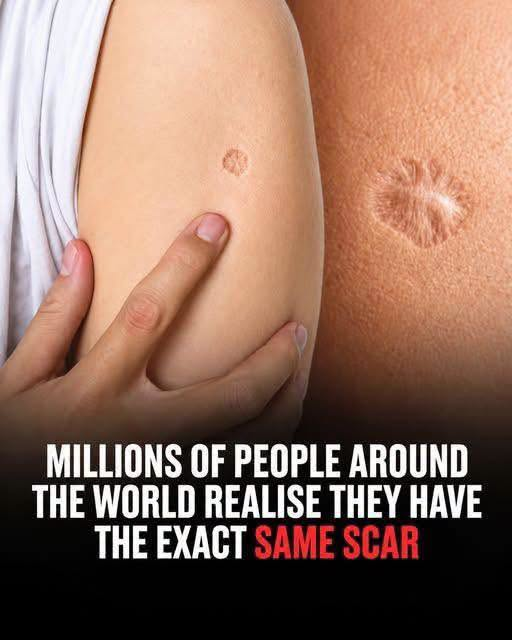
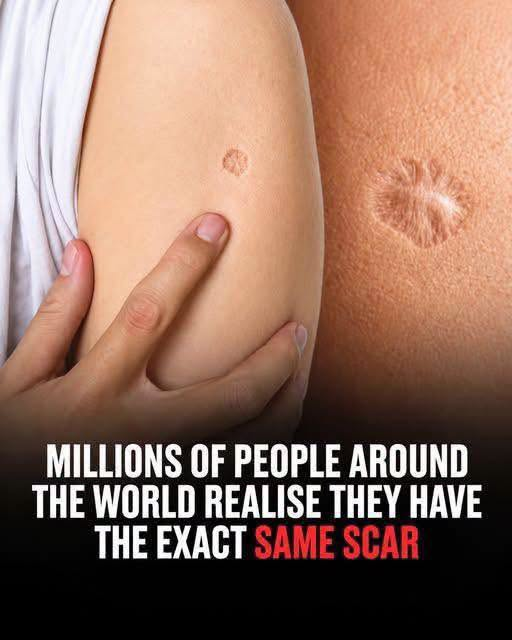
The image of a small, circular scar on the upper arm is one of the most recognizable—and most misunderstood—marks on the human body. The viral claim that millions of people around the world have the exact same scar is rooted in truth, but the explanation is more nuanced than a single global vaccination campaign. In reality, that scar is a permanent souvenir of one of two vaccines: the BCG vaccine for tuberculosis, or the smallpox vaccine. Which one you carry depends largely on when and where you were born.
Understanding the origin of this scar requires a journey through public health history, from the global fight against tuberculosis to the eradication of smallpox. It is a story of how medicine left its mark on generations of people, quite literally.
The BCG Vaccine: The Most Common Source of the Scar
For most people born outside the United States and Western Europe in the last several decades, the scar on their upper arm is the result of the Bacillus Calmette-Guérin (BCG) vaccine. This vaccine is designed to protect against tuberculosis (TB), a bacterial infection that primarily affects the lungs and remains one of the world’s leading infectious disease killers.
A Century of Protection
The BCG vaccine was developed over a century ago by Albert Calmette and Camille Guérin, and it remains the only licensed vaccine for tuberculosis prevention in humans . The World Health Organization recommends a single dose of BCG for infants in countries where TB is endemic, and globally, almost 130 million infants are vaccinated each year . The vaccine has been given to over four billion people and has been used routinely since the 1960s in almost all countries of the world, with the notable exceptions of the United States and the Netherlands, which have never routinely recommended it .
Why It Leaves a Mark
The BCG vaccine is typically administered via an intradermal injection into the upper part of the left arm . This method of delivery is intentional: it stimulates a strong local immune response. A few weeks after the injection—usually between two and six weeks—a small red spot or pimple appears at the site . This spot may develop into a blister that can burst and leak a small amount of fluid. Over the following weeks or months, the area heals naturally, leaving behind the characteristic small scar .
The presence and size of the scar have been shown to correlate with the magnitude of the immune response to the vaccine, which is why it is often used as a visual confirmation that the vaccination “took” . Public health workers in some countries even check for the scar to verify a child’s immunization status .
The Smallpox Vaccine: The Scar of an Older Generation
For people born in the United States and many other countries before the 1970s, the scar on their arm tells a different story. It is the mark of the smallpox vaccine, a once-universal childhood vaccination that was phased out after the disease was eradicated.
A Different Technique, A Different Scar
The smallpox vaccine left a scar because of its unique method of administration. Instead of a standard needle, healthcare providers used a bifurcated (two-pronged) needle that was dipped in the vaccine solution and then used to prick the skin multiple times in a small area, usually on the upper arm . This created a controlled, localized infection with the vaccinia virus, which is related to but distinct from the smallpox virus . The body’s immune response to this infection is what provided protection, and the healing process left a permanent mark.
How to Tell the Difference
While both scars are typically found on the upper arm, they often have slightly different appearances. The smallpox vaccine scar is generally described as depressed or sunken in the center, sometimes with lines radiating outward to the edge . The BCG scar, by contrast, tends to have a raised center with rounded edges . However, these are general guidelines, and individual healing patterns vary widely.
Routine smallpox vaccination in the United States ended in 1972, and the disease was officially declared eradicated in 1980 . Today, the smallpox vaccine is only given to select groups, such as laboratory workers who handle certain viruses and some military personnel .
Why the Confusion Exists
The viral nature of the “same scar” claim stems from the fact that both vaccines target the same location—the upper arm—and both leave a small, circular mark. For a person who does not know their own vaccination history, it is easy to assume that everyone with a similar scar received the same vaccine.
The Role of Geography and Generation
The key to identifying your scar is context. If you were born in a country where TB is common—which includes most of Asia, Africa, and Latin America—and you received a routine childhood vaccination, your scar is almost certainly from BCG. If you were born in the United States or Western Europe before the 1970s, your scar is likely from the smallpox vaccine. If you were born in the United States after 1972, you likely do not have either scar, as neither vaccine was routinely given.
The Myth of a Single Global Scar
The image’s claim that “millions of people have the exact same scar” is a simplification. While millions do have a vaccine scar, the scars are not identical. They vary in size, shape, and appearance based on the individual’s skin type, healing process, and the specific vaccine they received. The shared experience is not a single uniform mark, but rather a common chapter in the history of public health.
What to Do If You Have a Vaccine Scar
For the vast majority of people, a vaccine scar is a harmless and permanent reminder of immunization. It does not require medical attention.
When to Be Concerned
While the scar itself is benign, there are rare instances where a change in the scar’s appearance could warrant a doctor’s visit. You should seek medical advice if the scar becomes newly painful, develops a new lump beneath it, begins to bleed, or shows signs of infection such as spreading redness or drainage . These changes are unlikely to be related to the original vaccination and could indicate a separate skin issue.
The Legacy of Vaccination
The scar is more than a physical mark; it is a piece of personal and global history. It represents a time when diseases like smallpox and tuberculosis posed immediate and terrifying threats to families and communities. The fact that these scars are now fading from the population—as smallpox vaccination has stopped and BCG is not used in some countries—is a testament to the success of public health efforts.
Final Thoughts
The scar on the upper arm is a familiar sight for millions of people, but its story is not singular. For many, it is the mark of the BCG vaccine, a lifelong defense against tuberculosis. For others, it is the fading remnant of the smallpox vaccine, a symbol of a disease that has been wiped from the earth. The viral claim that “millions have the exact same scar” captures a shared experience, but the truth is richer: it is a mark of protection, a piece of medical history, and a quiet reminder of the global effort to keep communities safe from infectious disease.
Frequently Asked Questions
What vaccine causes the scar on the upper arm? The scar is most commonly caused by either the BCG vaccine for tuberculosis or the smallpox vaccine. The BCG vaccine is still widely used in many countries today, while the smallpox vaccine was discontinued after the disease was eradicated .
Is the scar a sign that the BCG vaccine worked? The presence of a scar is a normal reaction to the BCG vaccine and is often used as an indicator that the vaccination was successful. However, the absence of a scar does not necessarily mean the vaccine failed .
How can I tell if my scar is from the BCG or smallpox vaccine? The smallpox scar is often slightly depressed in the center, while the BCG scar tends to have a raised center. Your age and country of birth are the most reliable indicators: those born in the U.S. before 1972 likely have a smallpox scar, while those born in countries with routine BCG programs likely have a BCG scar .
Do I need a booster for the BCG vaccine? The World Health Organization recommends a single dose of BCG for infants in countries where TB is common. Booster doses are not routinely recommended .
Should I be worried about my vaccine scar? In most cases, the scar is harmless and requires no treatment. You should consult a doctor if the scar becomes painful, develops a new lump, or shows signs of infection .