A Woman’s Chin Hair: What It Really Signals and When to Pay Attention
Finding a coarse, dark hair on your chin can be a surprising and sometimes unsettling experience. For many women, it is a fleeting annoyance—a single stray hair that can be plucked and forgotten. For others, it is a recurring issue that raises questions about hormonal balance, underlying health conditions, and what the body might be trying to communicate. The viral claim that chin hair is a definitive sign of a specific disease is an oversimplification, but it is not entirely without basis. In medical terms, the growth of thick, dark hair in areas typical of male patterns—such as the chin, upper lip, chest, and abdomen—is called hirsutism. While hirsutism is often benign and simply a matter of genetics, it can also be a visible marker of an endocrine disorder that warrants medical evaluation.
Understanding the difference between normal variation and a potential health concern is essential for making informed decisions about your care. This article explores the most common causes of chin hair in women, the conditions it may signal, and the practical options for management and treatment.
What Is Hirsutism and How Does It Differ from Normal Hair Growth?
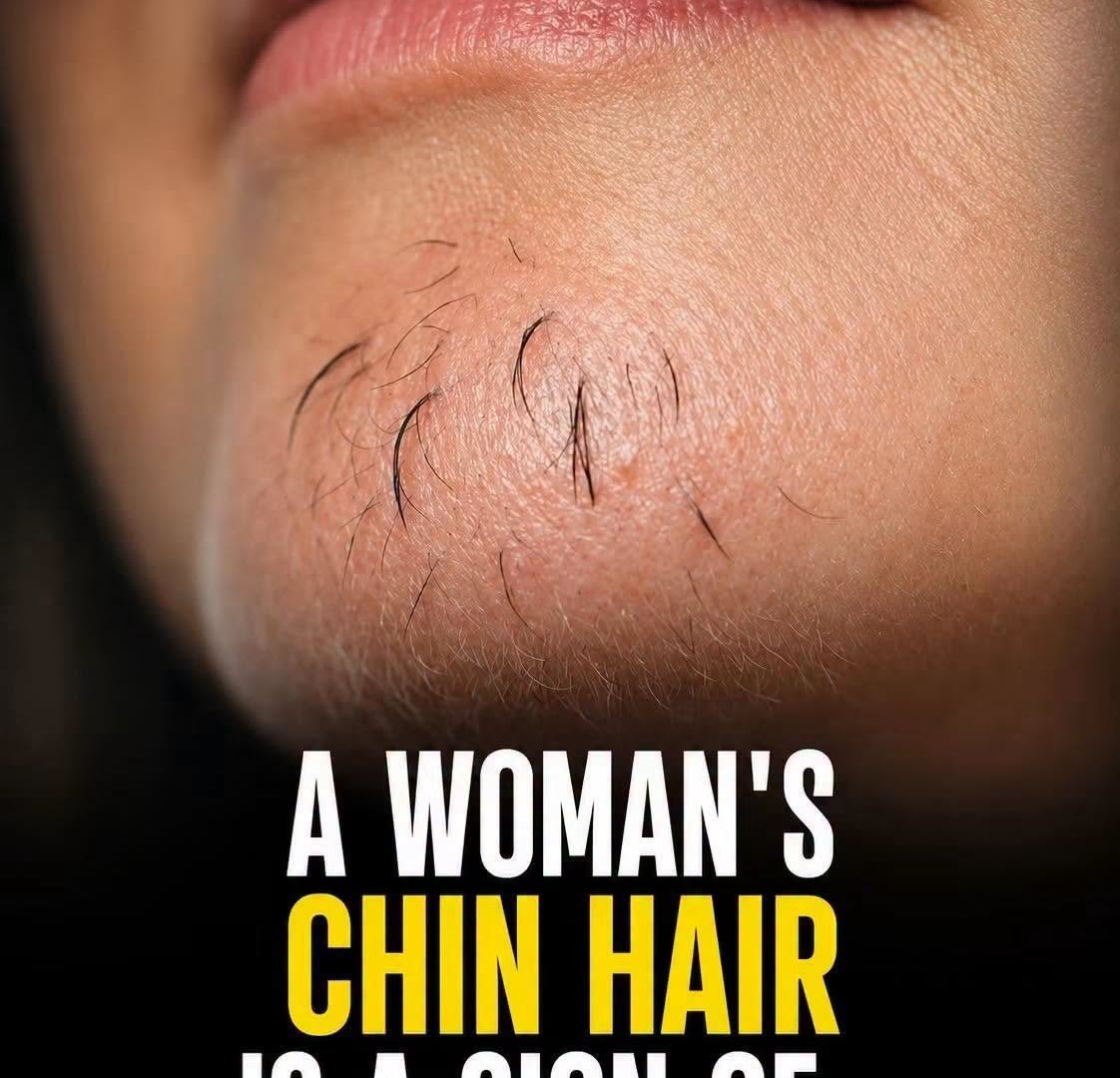
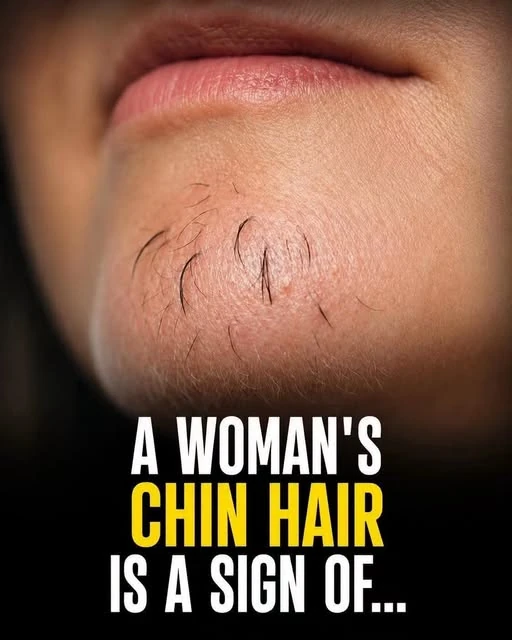
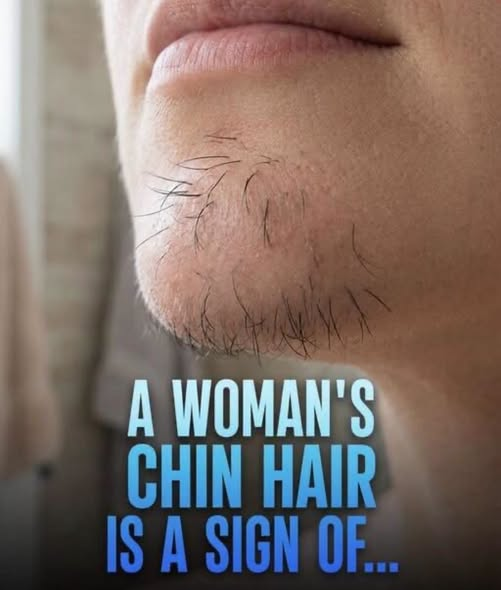
Not all facial hair is created equal. The fine, light-colored “peach fuzz” that many women notice on their faces is called vellus hair. It is soft, unpigmented, and generally unnoticeable. Hirsutism, by contrast, refers to the growth of coarse, dark, and thick hair in a distribution that follows a male pattern . This includes the chin, mustache area, central chest, lower abdomen, and back.
The key distinction lies in the type of hair and its location. A few fine hairs on the chin are typically not a medical concern. However, when the hair becomes consistently coarse and dark, and appears in these androgen-sensitive areas, it is classified as hirsutism . The severity of hirsutism does not always correlate with the level of circulating hormones; some women with mildly elevated androgens may develop significant hair growth, while others with higher levels may have minimal changes. This is due to individual differences in how sensitive the hair follicles are to androgens.
The Leading Cause: Polycystic Ovary Syndrome (PCOS)
When chin hair is accompanied by other symptoms, the most common underlying diagnosis is polycystic ovary syndrome (PCOS), now also referred to by some institutions as Polyendocrine Metabolic Ovarian Syndrome (PMOS). Medical sources consistently identify PCOS as the most frequent cause of hirsutism, accounting for the majority of cases . PCOS is a complex endocrine condition that affects roughly 5% to 15% of women of reproductive age .
How PCOS Leads to Chin Hair
PCOS disrupts the normal balance of sex hormones, leading to an overproduction of androgens—hormones like testosterone that are typically associated with male characteristics . These elevated androgen levels stimulate the hair follicles in androgen-sensitive areas, causing vellus hair to transform into the thicker, darker terminal hair that characterizes hirsutism.
Accompanying Symptoms
Chin hair in the context of PCOS rarely occurs in isolation. Women with PCOS often experience a cluster of symptoms that can help distinguish it from other causes. These may include irregular or absent menstrual periods, acne, weight gain (particularly around the abdomen), and thinning hair on the scalp . The combination of these signs is a strong indicator that a hormonal evaluation is warranted.
Other Hormonal and Medical Causes
While PCOS is the most common culprit, it is not the only one. Several other conditions can disrupt the body’s androgen balance and lead to chin hair growth.
Cushing Syndrome
Cushing syndrome occurs when the body is exposed to high levels of cortisol for an extended period. This can happen because the adrenal glands produce too much cortisol or as a side effect of long-term use of corticosteroid medications like prednisone. Excessive hair growth on the face and body is a recognized symptom of this rare condition .
Congenital Adrenal Hyperplasia (CAH)
This is a group of inherited disorders affecting the adrenal glands. In some forms, the glands produce insufficient cortisol and excessive androgens, which can lead to hirsutism. While some forms are present from birth, milder versions may not become apparent until later in life .
Tumors
In rare cases, a tumor in the ovaries or adrenal glands can secrete androgens, causing rapid and severe hirsutism. The abrupt onset of thick, dark hair growth, especially when accompanied by other signs of virilization (such as a deepening voice or increased muscle mass), is a red flag that requires prompt medical investigation .
Medications
Certain medications can cause hirsutism as a side effect. These include anabolic steroids, testosterone, danazol (used for endometriosis), minoxidil (used for hair loss), and some epilepsy medications . If chin hair development coincides with the start of a new medication, it is worth discussing with a prescribing doctor.
When Chin Hair Is Simply a Family Trait
It is important to recognize that not all chin hair is a sign of disease. For many women, hirsutism is a familial trait with no identifiable underlying pathology. This is particularly common in women of Mediterranean, Middle Eastern, and South Asian descent . In these cases, the hair follicles are simply more sensitive to normal levels of androgens, or there is a genetic predisposition to increased hair growth. This is sometimes referred to as idiopathic hirsutism when no specific cause is found .
For these women, the chin hair is a cosmetic variation rather than a medical problem. However, even when the cause is benign, the decision to seek treatment is a personal one based on comfort and self-image.
Signs That Warrant a Medical Evaluation
While the presence of a few chin hairs is not a reason to panic, certain symptoms should prompt a visit to a healthcare provider. The Mayo Clinic advises seeing a doctor if you have thick, dark hair on your face or body, particularly if you also notice other changes .
Red Flags to Watch For
The most urgent sign is the sudden onset of thick, dark hair growth, especially if it happens rapidly. This should be evaluated promptly to rule out a tumor or other serious hormonal disorder . Other concerning symptoms include a deepening of the voice, an increase in muscle mass, male-pattern balding, or a change in clitoral size. These are signs of virilization, indicating high androgen levels that require investigation .
Additionally, if the chin hair is accompanied by irregular or absent periods, it is a strong signal that a hormonal imbalance like PCOS may be present and should be assessed .
Diagnosis and Treatment Options
If you decide to seek medical advice, a doctor will typically start with a physical examination and a review of your medical history. They may use a tool called the Ferriman-Gallwey scale to assess the extent and severity of hair growth across different body areas. Blood tests to measure hormone levels, including testosterone and DHEAS, can help identify the source of the imbalance . An ultrasound may be used to examine the ovaries for signs of PCOS.
Managing the Hair: Cosmetic Approaches
For many women, the primary goal is simply to manage the unwanted hair. There are numerous options, ranging from temporary to longer-lasting.
Temporary methods include plucking, shaving, waxing, sugaring, and depilatory creams. Plucking is effective for a few stray hairs. Shaving is quick but may cause skin irritation. Waxing can be effective but may not be ideal for those with sensitive skin or hormonal conditions that make the skin more reactive. Depilatory creams dissolve hair but can cause burns, so a patch test is essential.
Longer-lasting methods include laser hair removal and electrolysis. Laser hair removal works best on people with dark hair and light skin, as the laser targets the pigment in the hair. Electrolysis uses a fine needle to destroy the hair follicle and can work on all hair colors, but it requires multiple sessions. These treatments are generally not available on the NHS and can be costly.
Prescription treatments include a cream called eflornithine (Vaniqa), which slows down hair growth but does not remove hair. It must be used consistently and results take several weeks to become noticeable .
Addressing the Underlying Cause
If a hormonal condition like PCOS is diagnosed, treating the root cause can help reduce hair growth over time. Lifestyle changes, such as losing a modest amount of weight if overweight, can lower androgen levels and improve symptoms . Hormonal treatments, including certain birth control pills and anti-androgen medications like spironolactone, can help regulate hormone levels and reduce hair growth, though it may take six months or more to see a noticeable difference.
Conclusion: A Signal Worth Listening To
A woman’s chin hair is not a definitive sign of a single disease, but it is a signal that deserves attention. For many, it is a harmless genetic trait or a minor cosmetic concern. For others, it is the first visible clue of an endocrine imbalance like PCOS that, if left unaddressed, can have broader implications for metabolic and reproductive health. The key is to observe the pattern: a few fine hairs are normal, but the sudden arrival of thick, dark hair—especially when accompanied by irregular periods, voice changes, or other masculine features—is a sign to consult a healthcare professional. With an accurate diagnosis and a range of treatment options, women can address both the cosmetic and the underlying health aspects of this common condition.
Frequently Asked Questions
Is chin hair on a woman normal?
Yes, it can be. Many women develop a few coarse hairs on the chin as they age, particularly after menopause, due to hormonal changes. However, if the hair is thick, dark, and widespread, or if it appears suddenly, it may indicate a condition like hirsutism that warrants evaluation .
Does chin hair always mean PCOS?
No. While PCOS is the most common cause of hirsutism, chin hair can also be caused by genetics, Cushing syndrome, congenital adrenal hyperplasia, certain medications, or, rarely, tumors. Some women have idiopathic hirsutism with no identifiable cause .
When should I see a doctor about chin hair?
You should see a doctor if the hair growth is sudden and rapid, if it is accompanied by other symptoms like a deepening voice, increased muscle mass, or irregular periods, or if it causes you significant distress .
Can chin hair be removed permanently?
Procedures like electrolysis and laser hair removal can reduce or eliminate hair for extended periods, but they are not always permanently effective and may require multiple sessions. Prescription creams can slow growth but do not remove hair .
What is the difference between hirsutism and normal facial hair?
Hirsutism refers specifically to the growth of coarse, dark hair in a male pattern (chin, chest, abdomen). Normal facial hair is typically fine and light-colored (vellus hair). The distinction is based on the type of hair and its location, not just its presence .