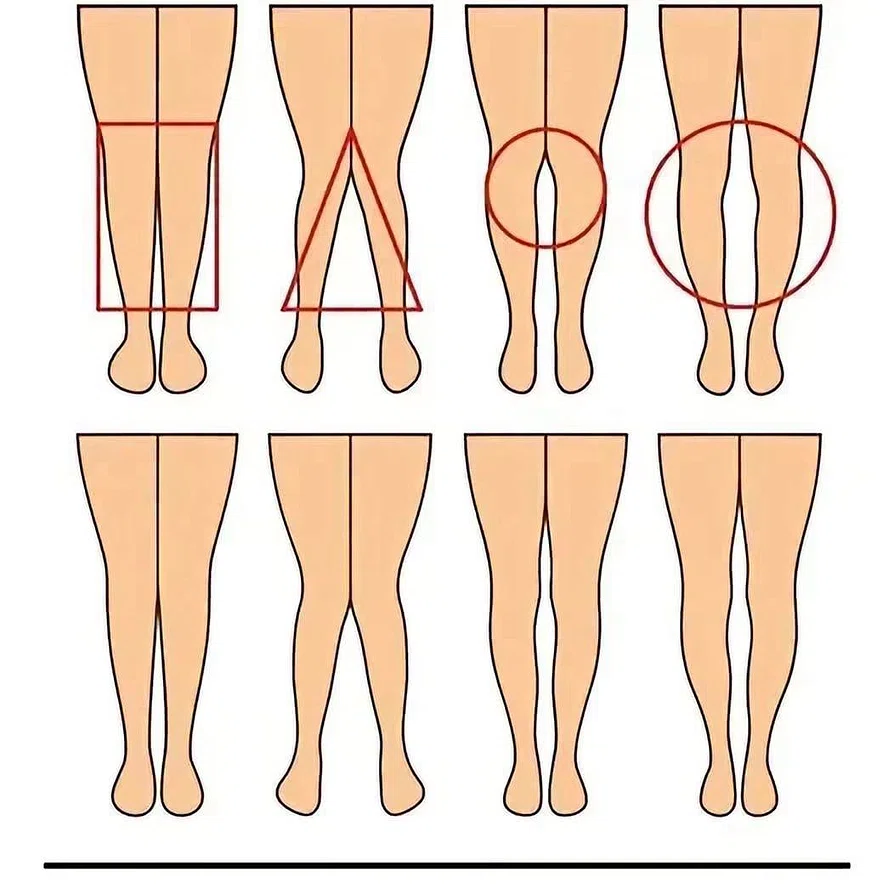
A Woman’s Legs Can Tell How Her Is… Separating Fact From Viral Fiction About Leg Shape
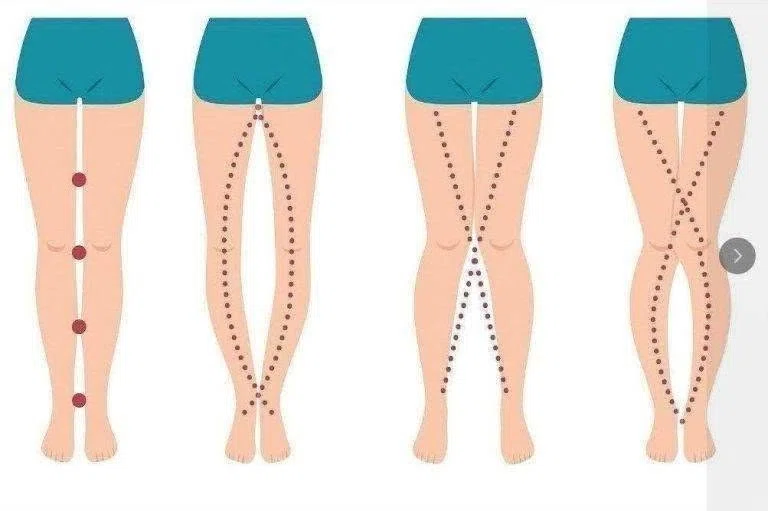
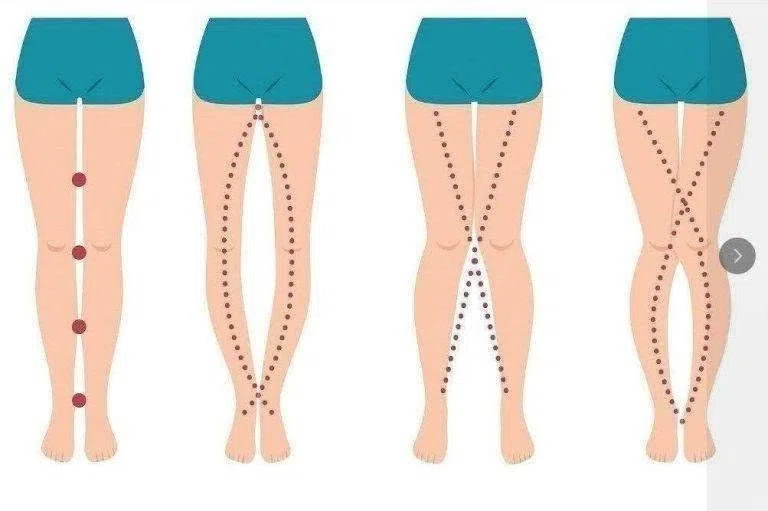
While the viral diagram suggests that leg shape is a simple health indicator, the reality is that specific alignment patterns are only medically relevant in certain circumstances, particularly when they are extreme, asymmetric, or develop suddenly.
Bow-Leggedness (Genu Varum)
Bow-leggedness is a normal part of development in infants and toddlers, as they learn to stand and walk. Most children outgrow it naturally by around age three or four. In adults, however, bow-leggedness can be a sign of conditions such as osteoarthritis, rickets (a bone-softening condition caused by vitamin D deficiency), or Blount’s disease, a growth disorder of the shin bone. It can also result from prior injuries or infections affecting the growth plates. When bow-leggedness is severe or causes pain, it warrants an orthopedic evaluation.
Knock-Knees (Genu Valgum)
Like bow-legs, knock-knees are common and normal in young children, typically appearing between ages three and six before gradually resolving. In adults, knock-knees can be associated with obesity, osteoarthritis, rheumatoid arthritis, or a previous injury to the knee’s growth plate. Severe knock-knees can place extra stress on the knees, hips, and ankles, potentially leading to pain and joint damage over time.
When to See a Doctor
The key distinction between a harmless variation and a medical concern is not the shape itself, but its context. A doctor should be consulted if leg alignment changes suddenly, is accompanied by pain, swelling, or difficulty walking, or if it is significantly asymmetric—meaning one leg is affected much more than the other. In children, any leg shape that persists beyond the typical developmental stages, or that causes pain or limping, should be evaluated by a pediatrician.
Why the Viral Framing Is Misleading
The problem with the viral diagram is not that leg shapes exist—they clearly do. The problem is the implication that a visual comparison can substitute for a medical evaluation. Health is not determined by the gap between your knees or the curve of your calves. A person with a wide gap might be perfectly healthy, while a person with perfectly straight legs could have high blood pressure, diabetes, or any number of conditions that a leg shape cannot reveal.
Viral posts like this often rely on the human tendency to seek patterns and meaning in physical features. They offer the illusion of control—a simple way to assess health without the inconvenience of a doctor’s visit. But real health assessment requires blood tests, blood pressure measurements, medical history, and a physical examination by a trained professional. No diagram can replace that.
The Bottom Line
The shape of a woman’s legs—or a man’s—is primarily a reflection of genetics, muscle and fat distribution, and normal variation in bone structure. While extreme or sudden changes in leg alignment can sometimes indicate an underlying condition that deserves medical attention, the vast majority of leg shapes shown in viral diagrams represent normal, healthy human bodies. The next time you see a post claiming that your leg shape reveals a hidden health secret, treat it with healthy skepticism. Your legs are for walking, running, dancing, and standing, not for diagnosing disease.
Frequently Asked Questions
Can the shape of your legs indicate a health problem?
In most cases, no. Mild variations in leg alignment are normal and do not indicate disease. Extreme bow-legs or knock-knees, or a sudden change in alignment, can sometimes be associated with conditions like osteoarthritis or growth disorders, but these require a medical diagnosis, not a visual comparison to a viral diagram.
What causes the gap between the legs?
The visible gap between the legs when standing is determined by bone structure, the angle of the hip and knee joints, muscle mass, and the distribution of body fat. It varies widely among healthy people and is not a reliable indicator of health status.
Is being bow-legged or knock-kneed dangerous?
For most people, mild bow-legs or knock-knees are harmless. However, severe alignment issues can put extra stress on the joints and increase the risk of osteoarthritis over time. If the condition causes pain, limping, or difficulty with daily activities, a doctor should evaluate it.
Can leg shape change over time?
Yes. Age-related cartilage wear can gradually alter leg alignment, and changes in muscle mass or body weight can affect the appearance of the legs. Sudden or significant changes, especially if accompanied by pain or swelling, should be evaluated by a healthcare provider.
Should I worry if my legs match one of the shapes in the diagram?
No. The diagram illustrates normal variations in human anatomy. Unless you are experiencing pain, difficulty walking, or have noticed a sudden change in your leg alignment, there is no reason for concern. If you have persistent symptoms, consult a healthcare professional for a proper assessment.