Brain Aneurysm: The Early Warning Signs You Should Never Ignore
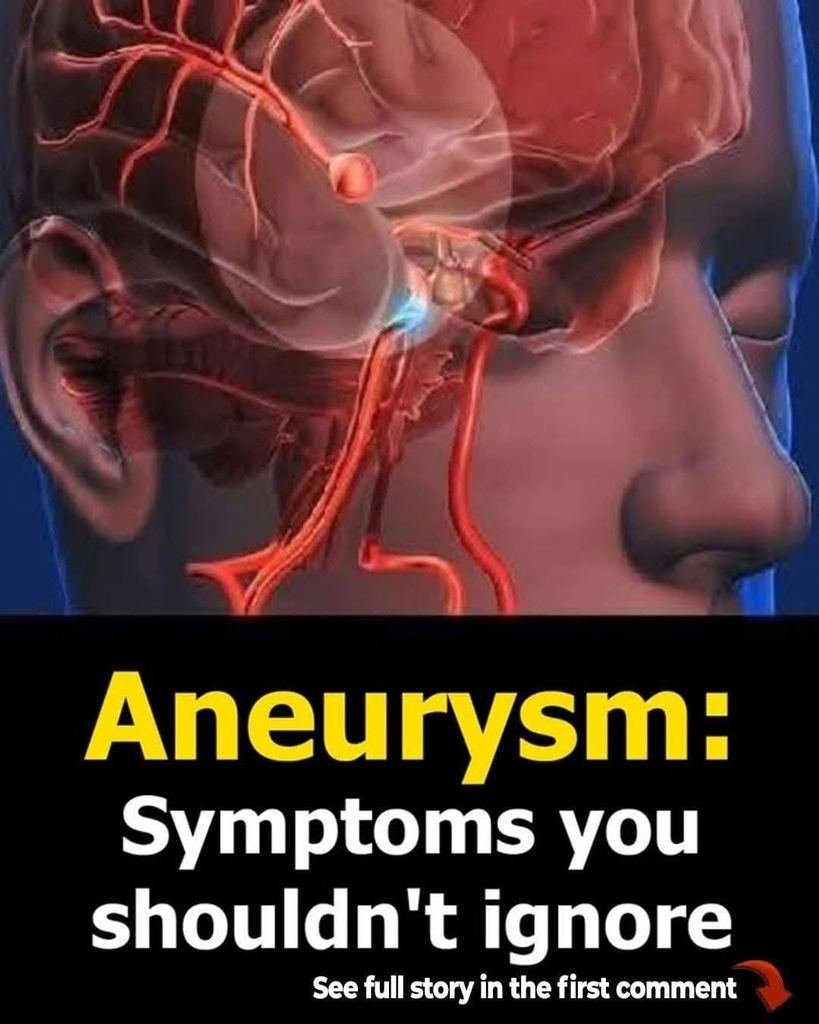
A brain aneurysm develops where the wall of an artery is weakened. Over time, the constant pressure of blood flow causes that weak spot to balloon outward. The University of Kansas Health System notes that many people can be walking around with an unruptured brain aneurysm without even knowing it . In many cases, these bulges are small and cause no symptoms at all, often discovered incidentally during tests for other conditions. The real danger emerges when the aneurysm changes—either by growing large enough to press on nearby structures or by developing a leak that can lead to a catastrophic rupture.
The Quiet Phase: Symptoms of an Unruptured Aneurysm
It is a common misconception that an aneurysm always announces itself with pain. In reality, most unruptured aneurysms are completely asymptomatic. However, when an aneurysm becomes large enough, it can begin to cause localized problems by pressing on nerves or brain tissue. According to medical experts, larger unruptured aneurysms can cause a headache that may feel like it is pounding in time with the pulse.
More specifically, when an aneurysm presses on the nerves that control the eye, it can cause distinctive and alarming symptoms. A droopy eyelid, double vision, or difficulty seeing out of one eye are serious symptoms that require attention, as an aneurysm is one possible cause. Other signs of a large unruptured aneurysm can include a dilated pupil in one eye, pain above or behind the eye, and numbness or weakness on one side of the face. These symptoms are not emergencies in the same way a rupture is, but they warrant an urgent conversation with a doctor.
The Critical Warning Signs: When an Aneurysm Leaks or Ruptures
The most important symptoms to recognize are those that signal an aneurysm has leaked or burst. This is a medical emergency.
The Thunderclap Headache
A thunderclap headache is not a normal headache. It is described by doctors as a headache that goes from zero to the worst pain of your life in a matter of seconds or a minute. It is a very sudden, very bad headache that starts in a split second and becomes very painful right away. This is distinctly different from a migraine, which typically builds gradually over several minutes to an hour. Health organizations stress that any patient with an acute onset of severe headache should be evaluated with a high level of suspicion for a subarachnoid hemorrhage, the type of bleeding caused by a ruptured aneurysm.
A “Sentinel” Warning
Sometimes, an aneurysm does not burst catastrophically all at once. It may first leak a small amount of blood, causing a sudden, severe headache that may then improve. This is often called a “sentinel headache,” and it is a critical warning sign of a major rupture that may occur days later. A small amount of bleeding causing a sudden, severe headache is often a sign that the aneurysm is about to burst. This is not a symptom to “sleep off” or treat with over-the-counter medication; it is a signal to seek emergency care immediately.
Other Accompanying Symptoms
A ruptured aneurysm rarely causes a headache in isolation. As blood irritates the brain and surrounding tissues, a cascade of other symptoms can occur. These include nausea and vomiting, a stiff neck or neck pain, sensitivity to light, and changes in vision. A person may also experience a brief loss of consciousness, confusion, or seizures. In severe cases, a ruptured aneurysm can lead to a coma or even death.
True or False: Common Myths About Aneurysms
True or False: Aneurysms always cause headaches before they rupture. False. Most unruptured aneurysms are silent. While a large aneurysm can cause headaches or vision changes, the absence of symptoms does not mean an aneurysm is not present.
True or False: A sudden, severe headache is a reason to wait and see if it gets better. False. A thunderclap headache is a medical emergency. Doctors urge individuals not to take medication and see if it goes away or to sleep it off, but to seek emergent medical attention immediately.
True or False: Only older people need to worry about aneurysms. False. While risk factors like high blood pressure and smoking increase with age, aneurysms can occur in younger adults as well. The key is recognizing the symptoms, regardless of age.
True or False: A droopy eyelid can be a sign of an unruptured aneurysm. True. An aneurysm that is growing and pressing on the nerves controlling the eye can cause a droopy eyelid, double vision, or a dilated pupil. This is a serious symptom that needs medical evaluation.
What to Do If You Recognize These Signs
If you or someone you are with experiences a sudden, severe headache—especially one described as the worst headache of your life—or any of the accompanying symptoms like a stiff neck, vomiting, or loss of consciousness, call emergency services immediately. Do not drive yourself to the hospital. Time is of the essence when dealing with a potential brain bleed.
For symptoms of an unruptured aneurysm, such as a persistent headache, vision changes, or a droopy eyelid, you should seek an urgent appointment with a doctor. While these may not be immediate emergencies, they require prompt investigation to determine the cause and assess the risk.
Conclusion
The warning signs of an aneurysm are not subtle when they occur in their most critical form. A thunderclap headache is the body’s loudest possible alarm, signaling a life-threatening emergency. However, the quieter signs—vision changes, a droopy eyelid, or a persistent, pulsing headache—are also messages that should not be ignored. Understanding that most aneurysms are silent, but that a rupture is a medical emergency, empowers individuals to act decisively. Recognizing these symptoms and responding without delay is the most important step anyone can take to protect their health and potentially save a life.
Frequently Asked Questions
What is the most important warning sign of a ruptured aneurysm? The most critical warning sign is a sudden, severe headache that reaches maximum intensity within seconds to a minute. This is known as a “thunderclap headache” and is often described as the worst headache of one’s life. It requires immediate emergency medical attention.
Can an aneurysm be treated before it ruptures? Yes. If an unruptured aneurysm is discovered, doctors will assess the risk of rupture based on its size, location, and the patient’s health. Depending on these factors, treatment options may include monitoring, surgery, or endovascular therapy to prevent a rupture.
What is a “sentinel headache”? A sentinel headache is a sudden, severe headache caused by a small leak from an aneurysm before it fully ruptures. It can serve as a warning sign that a more catastrophic rupture may be imminent, and it should be treated as a medical emergency.
Are there risk factors for brain aneurysms? While the exact cause is often unknown, risk factors include high blood pressure, smoking, a family history of aneurysms, and certain genetic conditions. Managing conditions like high blood pressure and avoiding smoking are important steps for reducing risk.
What should I do if I have a persistent headache and I am worried about an aneurysm? If you have a headache that does not go away, is getting worse, or is accompanied by other symptoms like vision changes or eye pain, you should seek an urgent appointment with a doctor. They can evaluate your symptoms and determine if further testing is needed.