Cabbage Is Very Good for Your Health, But These 4 Types of People Should Not Eat It
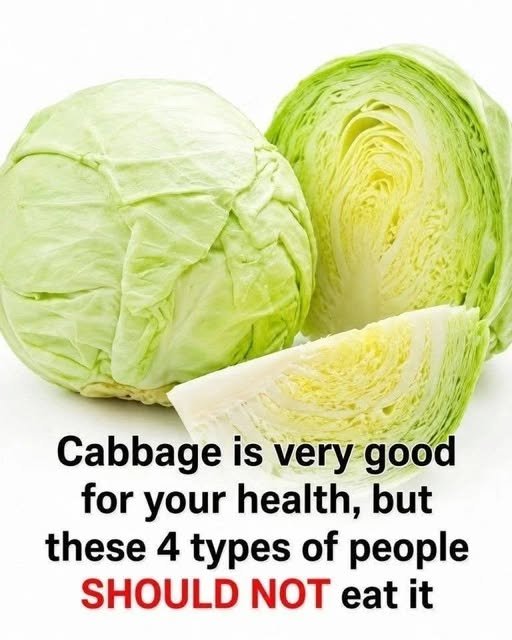
The image above shows fresh green cabbage, a vegetable that is widely praised for its health benefits. Cabbage is rich in vitamins, fiber, and antioxidants. It supports digestion, heart health, and the immune system. However, like many foods, it is not suitable for everyone. There are certain groups of people who may need to limit or avoid cabbage. Let us look at four types of people who should be cautious about eating cabbage.
People with Thyroid Issues
Cabbage belongs to the cruciferous vegetable family, which also includes broccoli, kale, and cauliflower. These vegetables contain compounds called goitrogens. In large amounts, goitrogens can interfere with the thyroid gland’s ability to absorb iodine. This can be a problem for people who already have an underactive thyroid, also known as hypothyroidism. If you have a thyroid condition, it is best to talk to your doctor about how much cabbage is safe for you to eat.
People with Irritable Bowel Syndrome or Digestive Issues
Cabbage is high in fiber and contains complex sugars that can be difficult for some people to digest. For individuals with irritable bowel syndrome or other digestive sensitivities, eating cabbage can lead to bloating, gas, and stomach cramps. If you have a sensitive stomach, you may want to avoid cabbage or eat it in small amounts. Cooking cabbage can make it easier to digest.
People Taking Blood-Thinning Medications
Cabbage is a good source of vitamin K. Vitamin K plays a role in blood clotting. If you are taking blood-thinning medications, such as warfarin, you need to keep your vitamin K intake consistent. Sudden changes in vitamin K can affect how well your medication works. If you take these medications, talk to your doctor before adding large amounts of cabbage to your diet.
People with a History of Kidney Stones
Cabbage contains moderate levels of oxalates. Oxalates are naturally occurring compounds found in many plants. In some people, high levels of oxalates can contribute to the formation of kidney stones. If you have a history of kidney stones, it is wise to monitor your intake of high-oxalate foods, including cabbage. Drinking plenty of water can also help reduce the risk.
The Bottom Line
Cabbage is a nutritious and versatile vegetable that offers many health benefits. However, it is not right for everyone. If you belong to any of the groups mentioned above, it is important to consult with a healthcare professional before making cabbage a regular part of your diet. Your doctor can help you determine what is safe and appropriate for your individual needs.
As with any food, moderation and personalization are key. Listen to your body and seek professional advice when needed.