Eating Bananas and Your Body: What Really Happens to Your Heart and Digestion
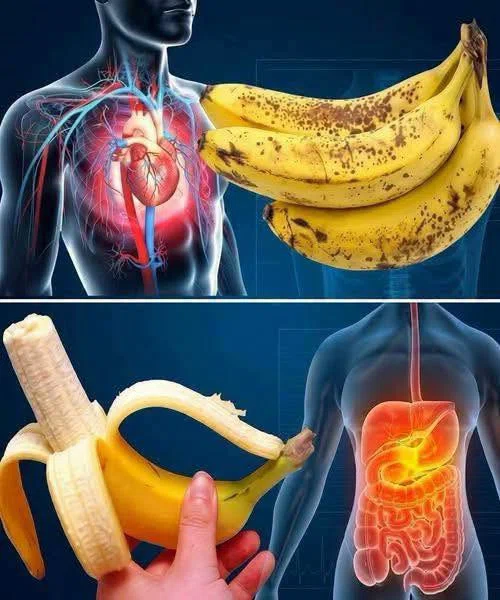
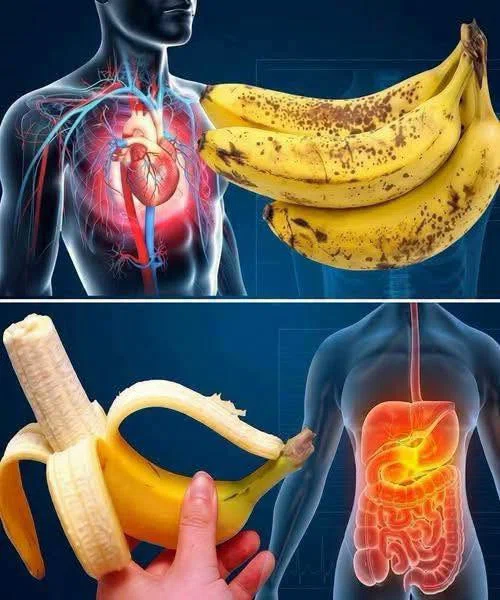
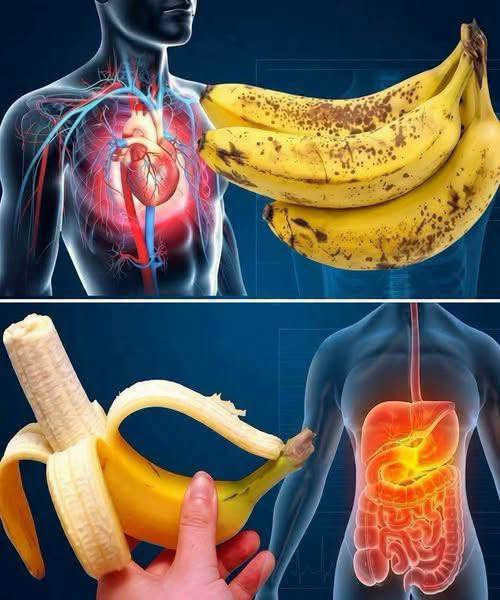
The second major area where bananas exert their influence is the digestive tract. The image suggesting a connection between bananas and the stomach is not misleading; bananas are genuinely gentle on the gastrointestinal system and offer several benefits for digestion.
Fiber and Regularity
A medium banana contains about three grams of fiber, which is nearly 10 percent of the daily recommended value . This fiber is a mix of soluble and insoluble types, both of which are important for digestive health. Insoluble fiber adds bulk to stool and helps keep bowel movements regular, while soluble fiber slows digestion and can help manage cholesterol levels. The Mayo Clinic notes that this fiber content can provide a longer feeling of fullness between meals and aid in digesting food .
Prebiotic Effects and Gut Bacteria
Bananas contain a unique type of carbohydrate that is digested further down in the lower intestines, where it serves as food for beneficial gut bacteria . This makes bananas a potential prebiotic food. A randomized controlled trial found that daily banana consumption was well-tolerated and may induce bifidogenesis—an increase in beneficial bifidobacteria—in healthy women. The study also noted significantly lower bloating levels in the banana group compared to controls .
Protection for the Stomach Lining
Bananas are often included in bland diets recommended for people with ulcers, heartburn, GERD, nausea, or recovering from stomach surgery . This is because they are soft, easy to digest, and low in acid. Some research suggests that bananas contain compounds that can limit the growth of Helicobacter pylori, the bacterium responsible for many ulcers, and increase mucus production to protect the stomach lining . The B in the BRAT diet (Bananas, Rice, Applesauce, Toast) stands for banana, a testament to its reputation as a gentle food for upset stomachs .