Enjoy Natural Beauty With a Homemade Skin Elixir: What the Trend Promises and What It Can Actually Do
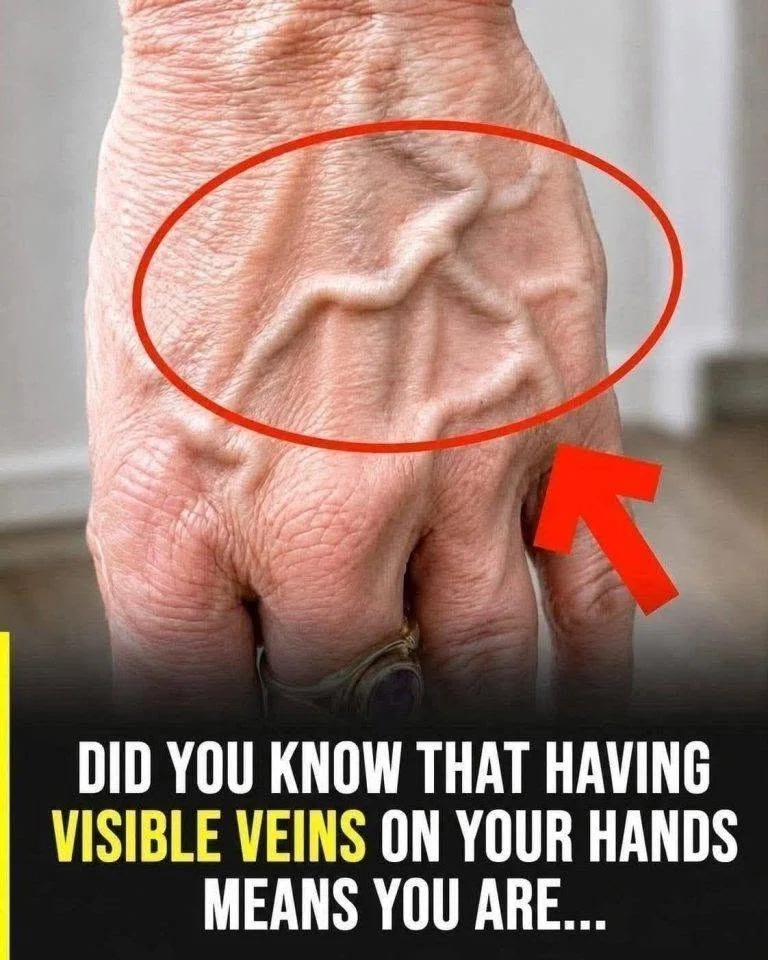
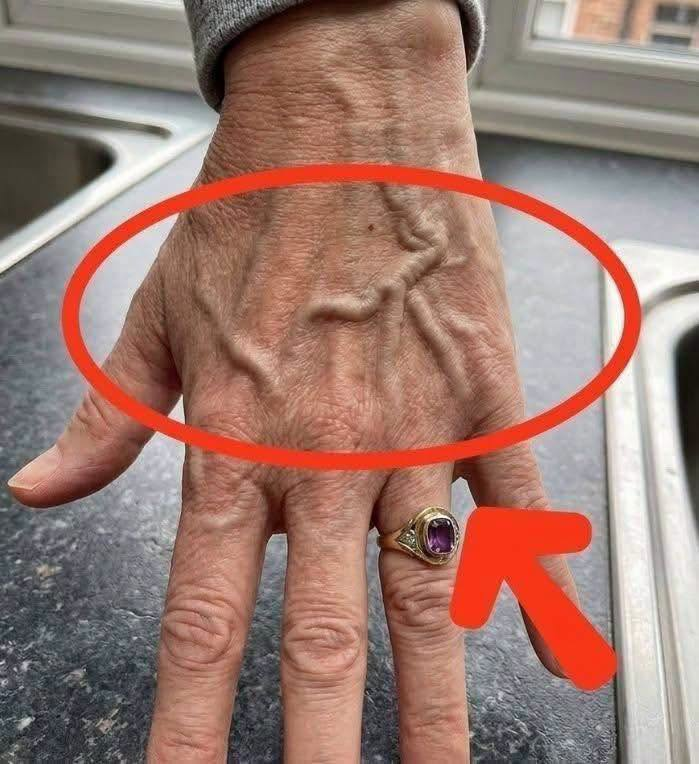
The image presents a before-and-after comparison that has become a familiar sight on social media: two hands showing visible signs of aging and sun exposure, followed by two hands that appear smoother, with fewer visible veins and a more even tone. In the center, a small glass jar holds a golden, oil-like liquid, implying that this homemade elixir is the secret behind the transformation.
The appeal of such images is undeniable. They promise that a simple, natural mixture made at home can restore the appearance of youthful skin on the hands, which are often the first place to reveal age and sun damage. While the claims are often exaggerated, there is a kernel of truth buried within them: certain natural oils do contain compounds that can moisturize, soothe, and temporarily improve the look of the skin. The key is understanding what a homemade elixir can realistically achieve, what it cannot, and how to use it safely.
Why Hands Show Age First
The hands are among the most sun-exposed parts of the body, yet they are frequently neglected in daily skincare routines. Over time, ultraviolet radiation breaks down collagen and elastin, leading to thinning skin, prominent veins, and the development of brown spots. The subcutaneous fat that gives youthful hands their plump appearance also diminishes with age, making veins and tendons more visible.
A homemade skin elixir can address one part of this picture: hydration and surface texture. Well-moisturized skin reflects light more evenly, which can make fine lines and crepey texture appear less pronounced. This is why the hands in the “after” photos often look smoother and more luminous. What an oil or lotion cannot do is reverse structural changes in the deeper layers of the skin, erase established pigmentation, or permanently remove veins. Those changes require sunscreen, time, and, in some cases, professional treatments.
Common Ingredients in Homemade Skin Elixirs
The golden liquid in the jar could be one of several common natural oils, each with its own properties. Understanding these ingredients helps separate genuine benefits from marketing hype.
Olive Oil
Olive oil is a classic ingredient in homemade skincare. It is rich in fatty acids and antioxidants, particularly vitamin E, which can help protect the skin from oxidative stress. However, olive oil is heavy and can be comedogenic for some people, meaning it may clog pores. It is generally better suited to the body and hands than to the face, and it should be used in moderation.
Coconut Oil
Coconut oil is another popular choice. It contains medium-chain fatty acids and has antimicrobial properties. It can be an effective moisturizer for dry skin, but it is highly comedogenic and may cause breakouts in people with acne-prone skin. Patch testing is always advisable before applying it to larger areas.
Argan Oil
Argan oil is often promoted as a “miracle” oil for skin and hair. It is rich in vitamin E and fatty acids and is generally lighter and less comedogenic than olive or coconut oil. It can help soften the skin and improve its appearance, though the effects are temporary and cosmetic rather than transformative.
Aloe Vera
Aloe vera gel is sometimes added to these mixtures for its soothing and hydrating properties. It can help calm irritated skin and is generally well-tolerated, though it is not a substitute for medical treatment of skin conditions.
What a Homemade Elixir Can and Cannot Do
To use these remedies safely and realistically, it helps to separate the possible from the implausible.
What It Can Do
A well-formulated oil blend can improve the skin’s moisture barrier, leaving the hands feeling softer and looking less dry. It can temporarily smooth the appearance of fine lines caused by dehydration and give the skin a healthy glow. Some oils contain antioxidants that may offer mild protection against environmental stressors.
What It Cannot Do
A homemade elixir cannot remove age spots, permanently reduce the appearance of veins, or reverse collagen loss. The “before” and “after” images often rely on differences in lighting, posture, and hydration rather than any lasting structural change. It also cannot replace the single most important step for protecting hand skin: daily broad-spectrum sunscreen. Without sun protection, any improvement in hydration will be undermined by continued UV damage.
Safety Considerations for DIY Skincare
Natural ingredients are not automatically safe for everyone. Essential oils, in particular, can cause allergic reactions or skin irritation if not properly diluted. Citrus oils, for example, are phototoxic and can cause burns when the skin is exposed to sunlight. It is essential to:
Patch test any new mixture on a small area of skin before applying it more widely.
Avoid essential oils unless you are confident in how to dilute them safely, and avoid phototoxic oils on sun-exposed areas.
Do not use a homemade remedy on broken, infected, or inflamed skin.
Store the mixture properly in a clean, airtight container, preferably in a cool, dark place, to prevent spoilage.
A Realistic Routine for Healthier-Looking Hands
For anyone who wants to improve the appearance of their hands, the most effective approach combines simple, evidence-based habits:
Apply sunscreen daily. A broad-spectrum sunscreen with an SPF of 30 or higher on the backs of the hands is the single most important step for preventing further damage.
Moisturize after every wash. Using a quality hand cream or a few drops of a well-tolerated oil helps maintain the skin barrier.
Exfoliate gently. Occasional gentle exfoliation can remove dead skin cells and improve texture, but avoid harsh scrubs that can cause micro-tears.
Consider proven ingredients. If you want to address pigmentation, look for products containing vitamin C, niacinamide, or retinoids, which have evidence behind them.
Protect your hands. Wear gloves when doing chores, gardening, or exposing your hands to harsh chemicals.
Conclusion
The image of smoother, younger-looking hands next to a jar of golden elixir is a compelling one, and there is no harm in enjoying the ritual of a homemade moisturizing treatment. Natural oils can soften the skin and temporarily improve its appearance. However, they are not a cure for sun damage, prominent veins, or the structural changes that come with aging. The most honest and effective approach is to combine a simple, hydrating routine with consistent sun protection and, if desired, proven topical ingredients. Real skin health is built over time—not in a single jar.
Frequently Asked Questions
Can a homemade oil elixir really make my hands look younger?
It can temporarily improve hydration and smooth the appearance of fine lines, giving the skin a healthier glow. However, it cannot reverse collagen loss, remove age spots, or permanently reduce the appearance of veins.
What is the best oil for aging hands?
Argan oil and other lightweight, non-comedogenic oils are often well-tolerated for hand care. Olive and coconut oil can be effective moisturizers but may be heavy or pore-clogging for some people. Patch testing is advisable.
Is it safe to use essential oils on the skin?
Essential oils should always be diluted in a carrier oil before use, and some—particularly citrus oils—can cause photosensitivity and burns when exposed to sunlight. Patch testing is essential, and anyone with sensitive skin should consult a healthcare provider.
Can this elixir remove brown spots?
No. Hydration can make the skin look more even, but it does not fade established pigmentation. Addressing brown spots requires daily sun protection and, for meaningful improvement, proven topical ingredients such as vitamin C or retinoids.
What is the most important step for healthier-looking hands?
Daily application of broad-spectrum sunscreen to the backs of the hands is the single most important step for preventing further sun damage and maintaining the appearance of the skin over time.