How to Identify Venomous and Non-Venomous Snake Bites
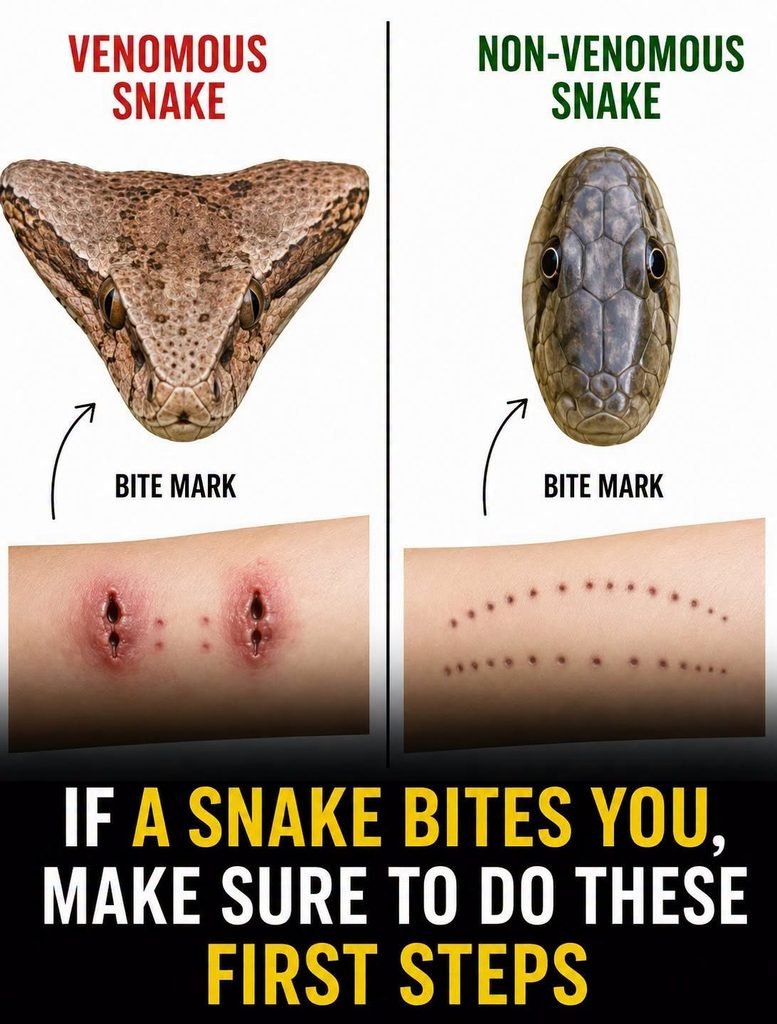
Snake bites are a serious medical emergency. Knowing how to identify the type of snake and the correct first steps to take can make a significant difference in the outcome. The image above provides a visual guide to distinguishing between venomous and non-venomous snake bites, along with important safety information.
Venomous Snake Bites
Venomous snakes, such as vipers and cobras, typically have fangs that inject venom. Their bite marks often appear as two distinct puncture wounds, sometimes with redness, swelling, or bruising around the area. The image shows a bite with two clear fang marks and surrounding inflammation. If you are bitten by a venomous snake, it is a life-threatening emergency.
Non-Venomous Snake Bites
Non-venomous snakes do not have venom-injecting fangs. Their bite marks often appear as a row of small, shallow scratches or dots, as shown in the image. While these bites can still be painful and may cause minor bleeding, they are generally not dangerous. However, it is still important to clean the wound and seek medical attention to prevent infection.
First Steps After a Snake Bite
If you or someone else is bitten by a snake, follow these critical steps immediately.
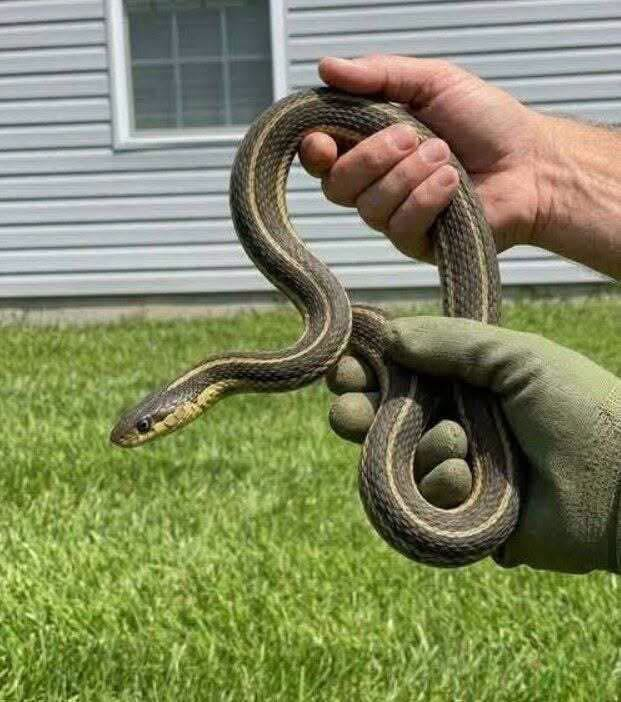
First, move away from the snake to a safe distance. Do not try to catch or kill the snake, as this can lead to additional bites. Try to remember the snake’s color, shape, and size to help medical professionals identify it.
Second, keep the person calm and still. Panic and movement can cause the venom to spread more quickly through the body. Have the person lie down and keep the bitten limb at or below the level of the heart.
Third, remove any tight clothing or jewelry near the bite area. Swelling can occur quickly, and these items may restrict blood flow.
Fourth, do not attempt to suck out the venom, cut the wound, or apply a tourniquet. These outdated methods can cause more harm than good.
Fifth, call for emergency medical help immediately. Do not drive yourself to the hospital if you are the one who was bitten.
What Not to Do
There are many myths about treating snake bites. Do not apply ice or heat to the wound. Do not drink alcohol or caffeine. Do not try to catch the snake. These actions can worsen the situation.
Prevention Tips
The best way to avoid snake bites is to be aware of your surroundings. Wear closed-toe shoes and long pants when hiking or walking in tall grass. Avoid reaching into dark crevices or under rocks. If you see a snake, back away slowly and give it plenty of space.
The Bottom Line
Snake bites require immediate medical attention. Knowing the difference between venomous and non-venomous bites can help you react appropriately. Always prioritize safety, stay calm, and seek professional help.