Invasive Spotted Lanternfly: What Homeowners Need to Know
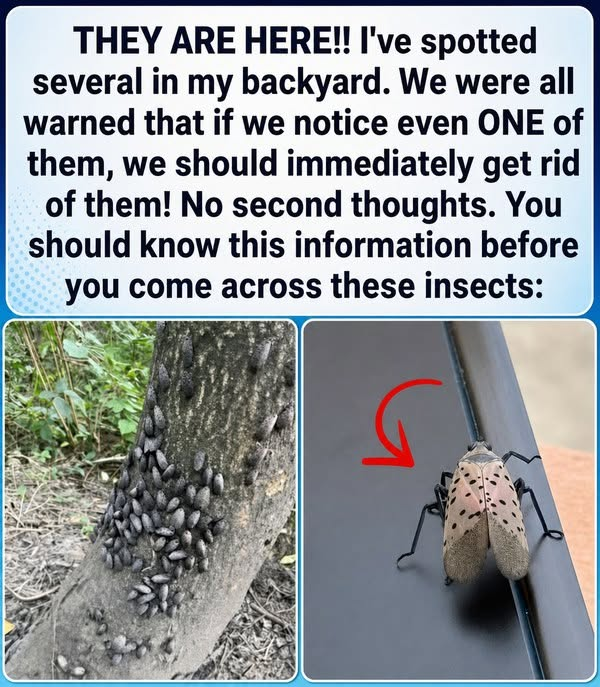
The image above shows two photos of an insect. On the left, a cluster of small, dark, seed-like objects is attached to a tree trunk. On the right, a larger insect with spotted wings is shown. The text warns that these insects are here and should be dealt with immediately. This insect is the spotted lanternfly, an invasive species that has been found in several parts of the United States. It is important for homeowners to recognize it and know what to do.
What Is the Spotted Lanternfly?
The spotted lanternfly is a planthopper native to Asia. It was first detected in the United States in Pennsylvania in 2014 and has since spread to other states. It is not a fly, but a type of insect that feeds on the sap of plants. It is considered a major pest because it can damage a wide range of crops and trees, including grapevines, fruit trees, and hardwoods.
What Does It Look Like?
The adult spotted lanternfly is about one inch long. Its folded wings are gray to brown with black spots. When its wings are open, it reveals a bright red hindwing with black spots and black and white bands. The younger stages, called nymphs, are black with white spots and develop red patches as they grow. The egg masses look like small, gray, waxy patches that resemble old chewing gum.
Why Is It a Problem?
The spotted lanternfly feeds on the sap of plants. As it feeds, it produces a sticky substance called honeydew. This honeydew can build up on the ground and on plants. It attracts other insects and can lead to the growth of sooty mold, which can discolor and kill plants. If the spotted lanternfly becomes established, it could cause significant damage to agriculture and natural resources.
What to Do If You See One
The advice from state agencies is simple: See it. Squish it. Report it. If you see a spotted lanternfly, you should kill it. Then, take a photo and report it to your state’s Department of Agriculture or Natural Resources. This helps officials track the spread of the insect and take action.
How to Prevent the Spread
The spotted lanternfly spreads by laying eggs on vehicles and equipment that travel through infested areas. Before leaving a parking lot or work site, inspect your vehicle for egg masses or insects. Check doors, sides, bumpers, wheel wells, and roofs. Destroy any eggs or insects you find. When parked, keep your windows closed to prevent them from entering.
The Bottom Line
The spotted lanternfly is an invasive pest that poses a threat to plants and agriculture. If you see one, do not hesitate to kill it and report it. By working together, we can help limit the spread of this insect and protect our environment.
Have you seen a spotted lanternfly in your area? Share your experience in the comments below.