Is Collecting Rainwater Illegal? What You Need to Know
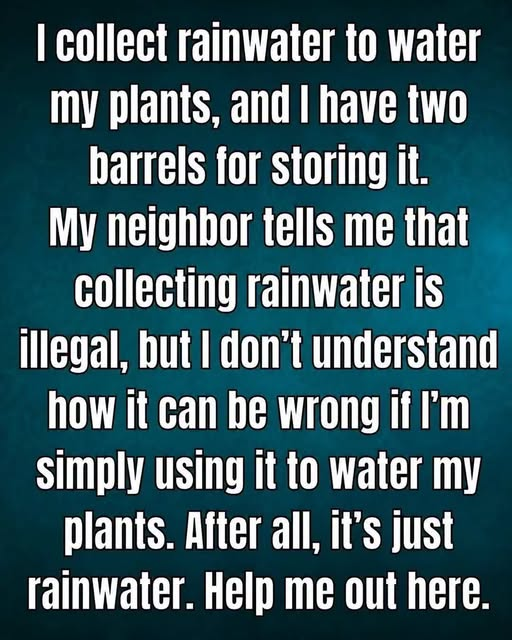
The image above shares a common question. A person collects rainwater to water their plants. They have two barrels for storage. Their neighbor told them it is illegal. The person is confused. They do not understand how collecting rainwater can be wrong if they are simply using it for their garden. This is a question that many people have. The answer depends on where you live.
The Short Answer
In many places, collecting rainwater is legal. In some places, it is regulated. In a few places, it is restricted. There is no single answer that applies to everyone. The laws vary by country, state, and even city. It is important to check the rules in your area before you set up a rainwater collection system.
Why Some Places Regulate Rainwater
Some regions have strict rules about rainwater collection. This is often because water is a scarce resource. In dry areas, rainwater is part of a larger water system. If too many people collect it, it can affect the water supply for others. It can also affect the environment. In these places, you may need a permit. You may be limited in how much you can collect. You may only be allowed to use it for certain purposes.
Why Many Places Allow It
In many other places, rainwater collection is encouraged. It is seen as a way to conserve water. It reduces the demand on municipal water supplies. It also helps reduce stormwater runoff, which can cause erosion and pollution. In these places, you can often collect rainwater without a permit. You can use it for gardening, washing your car, or other outdoor uses.
Common Rules and Restrictions
Even where it is legal, there may be some rules. For example, you may not be allowed to collect rainwater for drinking without treating it first. You may need to ensure that your collection system does not create a breeding ground for mosquitoes. You may need to make sure that the water does not flow onto your neighbor’s property. These are common-sense rules that help keep everyone safe.
The Bottom Line
The neighbor’s claim that collecting rainwater is illegal is not universally true. It depends on where you live. The best thing to do is to check with your local government. They can tell you what the rules are in your area. You can also look for information from your state or environmental agency. Do not assume that it is illegal just because someone says so. And do not assume that it is legal without checking. A little research can save you a lot of trouble.
Have you ever collected rainwater? Share your experience in the comments below.