My 8-Year-Old Has Been Dealing With This for 2 Months – It’s Only Getting Worse
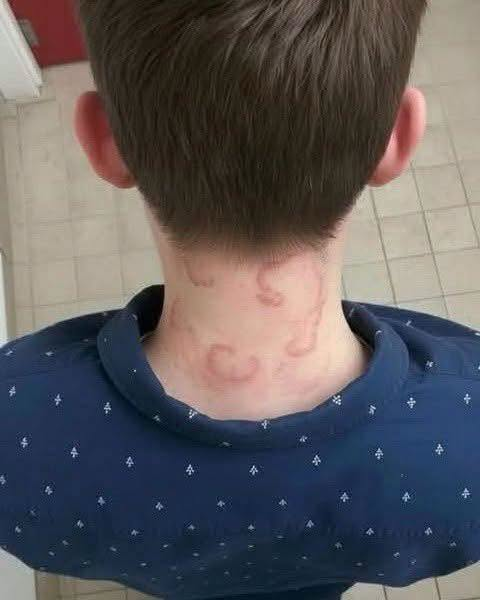
The image above shows the back of a young boy’s neck. There are raised, red, ring-shaped marks on his skin. The person who shared the photo says their 8-year-old has been dealing with this for two months and it is only getting worse. They are asking what it could be. Looking at the pattern, these marks look very similar to a common skin condition called ringworm.
What Is Ringworm?
Despite the name, ringworm is not a worm. It is a fungal infection of the skin. It is also known as tinea corporis. The infection causes a red, itchy, circular rash. The rash often has a clear center and a raised, scaly border. This is why it is called ringworm. It can appear on the body, scalp, feet, or groin. It is very common in children.
How Does It Spread?
Ringworm is contagious. It spreads through direct skin-to-skin contact with an infected person or animal. It can also spread by touching contaminated objects. These include combs, brushes, clothing, towels, and surfaces like locker room floors. Pets, especially cats and dogs, can carry the fungus and pass it to humans.
Why It Might Be Getting Worse
If the rash is not treated properly, it can spread and become more uncomfortable. Over-the-counter creams may not be strong enough for some cases. If the infection is on the scalp, it usually requires prescription oral medication. It is important to see a doctor for an accurate diagnosis. Other skin conditions can look similar to ringworm, including eczema, psoriasis, and contact dermatitis.
When to See a Doctor
You should take your child to a doctor if the rash is not improving after two weeks of treatment. You should also see a doctor if the rash is spreading, is very itchy or painful, or is showing signs of infection like pus or swelling. A doctor can examine the skin and may take a small scraping to confirm the diagnosis.
How to Manage It at Home
If it is ringworm, there are steps you can take to prevent it from spreading. Keep the affected area clean and dry. Wash your child’s bedding, towels, and clothing in hot water. Do not share personal items like combs or hats. Make sure your child does not scratch the rash, as this can spread the infection to other parts of the body. Wash your hands thoroughly after touching the rash.
The Bottom Line
A rash that lasts for two months and is getting worse should be evaluated by a doctor. It could be ringworm or another skin condition that needs specific treatment. Do not ignore persistent skin problems. Getting the right diagnosis is the first step toward helping your child feel better.
Have you ever dealt with a persistent skin rash on your child? Share your experience in the comments below.