Osteoporosis and Your Daily Drinks: Separating Real Risks From Viral Exaggeration
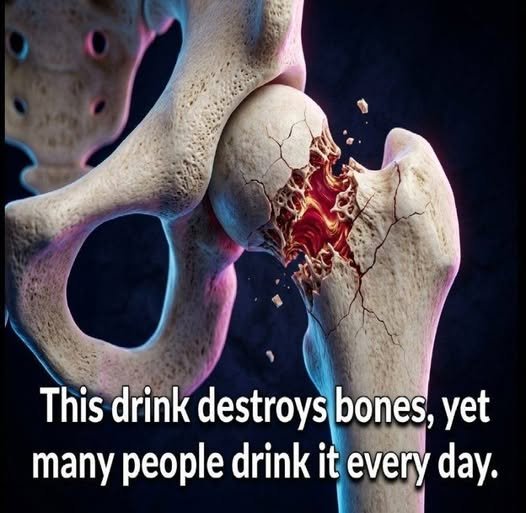
The image presents a side-by-side view of two hip joints, one showing the dense, healthy structure of normal bone and the other revealing the porous, weakened interior characteristic of osteoporosis. The caption claims that this condition may be linked to three everyday drinks consumed regularly, inviting viewers to wonder whether their morning coffee, afternoon soda, or evening glass of wine is quietly eroding their skeleton.
The truth is more nuanced than a social media post can convey. Bone health is influenced by a complex interplay of genetics, hormones, physical activity, calcium and vitamin D intake, and overall diet. Certain beverages can indeed play a role in bone loss, but the effect depends heavily on how much is consumed, what else is in the diet, and the individual’s overall risk profile. Understanding which drinks have been studied, what the research actually shows, and where the evidence remains uncertain is the key to making informed choices without unnecessary alarm.
How Bone Health Works and Why It Matters
Bone is living tissue that undergoes constant remodeling throughout life. Specialized cells called osteoblasts build new bone, while osteoclasts break down old bone. During childhood and early adulthood, bone formation outpaces breakdown, leading to peak bone mass around age 30. After that, breakdown gradually begins to exceed formation, and bone density declines with age.
Osteoporosis occurs when bone density and quality deteriorate to the point where bones become fragile and prone to fracture. It is often called a silent disease because there are no symptoms until a fracture occurs. Hip fractures are among the most serious consequences, associated with significant disability and increased mortality in older adults.
Diet plays a critical role in this process. Adequate calcium and vitamin D are essential for bone formation and maintenance. Protein, magnesium, vitamin K, and other nutrients also contribute. When the diet is deficient in these nutrients, or when certain substances interfere with their absorption or increase their excretion, bone health can suffer.
The Three Drinks Most Often Linked to Bone Loss
Coffee and Caffeine: A Nuanced Relationship
Coffee is perhaps the most frequently cited beverage in discussions about bone health, and the research is genuinely mixed. The concern centers on caffeine, which can increase calcium excretion through the urine. A widely referenced figure suggests that every 150 milligrams of caffeine—roughly the amount in a standard cup of coffee—increases urinary calcium loss by about 4 to 6 milligrams .
For most people, this modest loss is easily offset by dietary calcium. If you drink your coffee with milk, the calcium in the milk more than compensates for the caffeine’s effect . However, for individuals with low calcium intake, high caffeine consumption could theoretically contribute to negative calcium balance over time.
Research on caffeine and bone density has produced inconsistent findings. Some studies suggest that high caffeine intake may increase bone loss, particularly in certain populations . A review of epidemiological evidence noted that findings on the relationship between caffeine consumption and bone strength “appear inconsistent,” though some studies highlight that high caffeine intake increases bone loss . The dose matters: moderate intake—generally considered up to about three cups of coffee per day—is unlikely to harm bone health in well-nourished individuals, while very high intakes combined with low calcium intake may be more concerning.
Carbonated Soft Drinks: The Cola Connection
Soft drinks, particularly cola-type beverages, have been more consistently associated with negative bone outcomes in observational studies. A systematic review and network meta-analysis found that higher consumption of carbonated cola and non-cola beverages was associated with higher estimates of fracture risk and osteoporosis/osteopenia, though the certainty of evidence was rated as very low .
The mechanism is thought to involve several factors. Cola beverages contain phosphoric acid, which can contribute to an imbalance in the body’s calcium-phosphorus ratio. A small interventional study in young men found that consuming 2.5 liters of cola per day for ten days, on a low-calcium diet, increased bone resorption markers compared to the same volume of milk . However, this was an extreme intake unlikely to reflect typical consumption patterns.
Perhaps more importantly, soft drinks often displace more nutritious beverages. People who drink large amounts of soda may consume less milk and other calcium-rich foods, leading to lower overall calcium intake. A study of postmenopausal women found that consuming more than two servings of soft drinks per day was associated with a higher risk of hip fracture, though the association was not linear across all categories . The researchers noted that the relationship may reflect a threshold effect rather than a dose-dependent one.
Alcohol: The Dose Makes the Difference
Alcohol’s relationship with bone health is complex and dose-dependent. Heavy alcohol consumption is a well-established risk factor for osteoporosis and fractures. Chronic heavy drinking can impair bone formation, interfere with calcium absorption, and disrupt hormonal balance.
However, moderate alcohol consumption has shown a more complicated pattern. A meta-analysis published in the American Journal of Medicine found that, compared with abstainers, people consuming 0.5 to 1.0 drinks per day had a lower risk of hip fracture, while those consuming more than 2 drinks per day had a higher risk . The researchers noted a linear relationship between femoral neck bone density and alcohol consumption, but could not determine a precise range of beneficial intake.
More recent research using Mendelian randomization—a method that helps assess causality—found no evidence for a causal effect of genetically predicted alcohol consumption on bone outcomes, despite observational associations . This suggests that the apparent protective effect of light drinking may be due to confounding factors rather than alcohol itself. The safest conclusion is that heavy drinking harms bone health, while light to moderate drinking is unlikely to cause harm and may be associated with slightly better outcomes in observational studies, though causality remains unproven.
What the Viral Post Gets Wrong
The social media framing of “three everyday drinks” linked to osteoporosis oversimplifies a complex issue and may create unnecessary fear. Several important caveats are missing.
First, the dose and pattern of consumption matter enormously. A single cup of coffee or an occasional soda is not equivalent to a daily habit of multiple servings. The studies that show associations with bone loss generally involve high or excessive intakes, often combined with low calcium intake.
Second, the overall diet is critical. If a person consumes adequate calcium and vitamin D, the modest calcium losses from caffeine or the potential effects of cola are unlikely to have a meaningful impact on bone density. The displacement effect—choosing soda over milk—may be more important than any direct chemical effect of the beverage itself.
Third, the evidence for many of these associations is observational and of low certainty. This means that while correlations exist, they do not prove causation. People who drink large amounts of soda may differ from those who do not in many other ways that affect bone health, including physical activity, smoking, and overall diet quality.
What Actually Protects Bone Health
Rather than focusing on eliminating specific beverages, a more constructive approach is to build a bone-healthy lifestyle. Adequate calcium intake—typically 1,000 to 1,200 milligrams per day for adults, depending on age and sex—is fundamental. Dairy products, fortified plant milks, leafy greens, and canned fish with bones are good sources. Vitamin D, obtained from sunlight, fatty fish, and fortified foods, is essential for calcium absorption.
Weight-bearing exercise, such as walking, jogging, and resistance training, stimulates bone formation and is one of the most effective ways to maintain bone density. Avoiding smoking and limiting alcohol intake are also important. For individuals at high risk of osteoporosis, bone density testing and medication may be appropriate.
Conclusion
The three drinks most often implicated in bone loss—coffee, cola-type soft drinks, and alcohol—do have legitimate connections to bone health, but the relationships are more nuanced than viral posts suggest. High caffeine intake combined with low calcium intake may contribute to bone loss. Cola consumption, particularly in large amounts, has been associated with higher fracture risk, though the evidence is not definitive. Heavy alcohol consumption is clearly harmful to bone, while light drinking’s effects remain uncertain. The most sensible approach is moderation, adequate nutrition, and attention to the factors that are proven to protect bone: calcium, vitamin D, exercise, and avoiding excess.
Frequently Asked Questions
Does drinking coffee cause osteoporosis?
Moderate coffee consumption—up to about three cups per day—is unlikely to cause osteoporosis in people with adequate calcium intake. Caffeine can increase calcium excretion slightly, but this is easily offset by dietary calcium, especially if coffee is consumed with milk. Very high intakes combined with low calcium intake may be more concerning .
Are carbonated drinks bad for your bones?
Cola-type carbonated drinks have been associated with higher fracture risk in some observational studies, but the evidence is of low certainty . The effect may be partly due to displacement of calcium-rich beverages rather than a direct effect of carbonation. Occasional consumption is unlikely to be harmful; heavy daily intake combined with poor overall diet is more concerning.
Does alcohol weaken bones?
Heavy alcohol consumption is a well-established risk factor for osteoporosis and fractures. Moderate consumption (0.5 to 1 drink per day) has been associated with slightly lower hip fracture risk in some studies, but causality has not been proven . The safest advice is to avoid heavy drinking and limit intake if you choose to drink.
What can I do to protect my bone health?
Ensure adequate calcium and vitamin D intake, engage in regular weight-bearing and resistance exercise, avoid smoking, and limit alcohol. If you have risk factors for osteoporosis, such as a family history, early menopause, or long-term use of certain medications, discuss bone density testing with your healthcare provider.
Is it true that three everyday drinks cause osteoporosis?
No single drink causes osteoporosis. Bone health is determined by many factors, including genetics, hormones, nutrition, and activity. Certain beverages may contribute to bone loss when consumed excessively or when they displace more nutritious foods, but they are not sole causes. The viral framing oversimplifies the science and may cause unnecessary alarm.