Over 60? 10 Early Dementia Warning Signs You Must NEVER Ignore (Catch Them Before It’s Too Late)
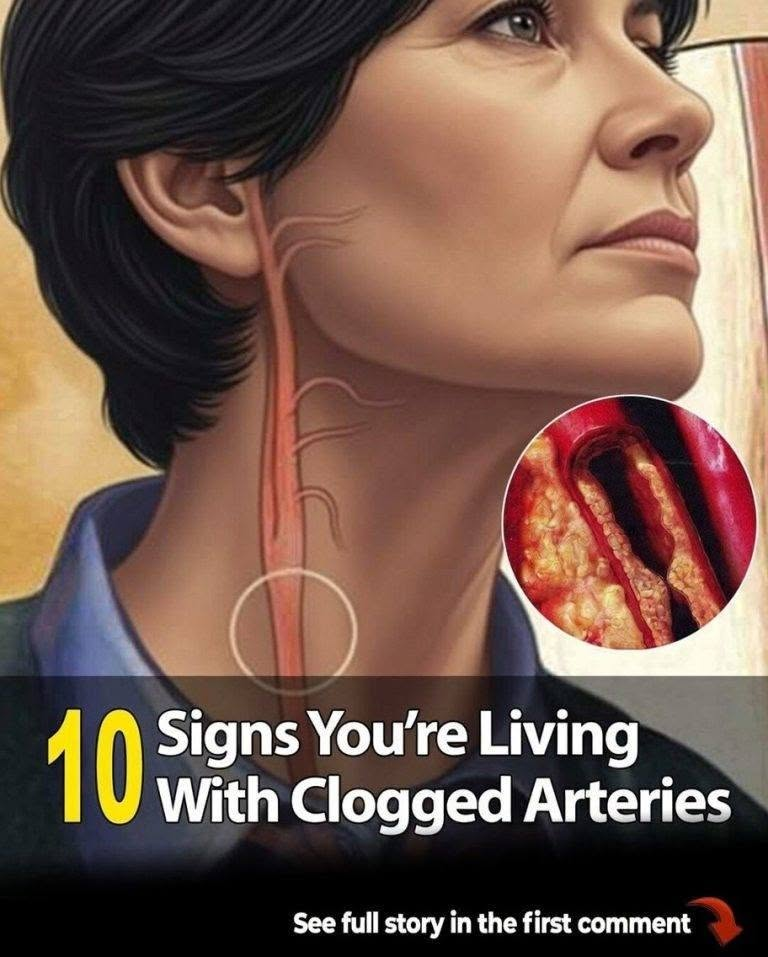
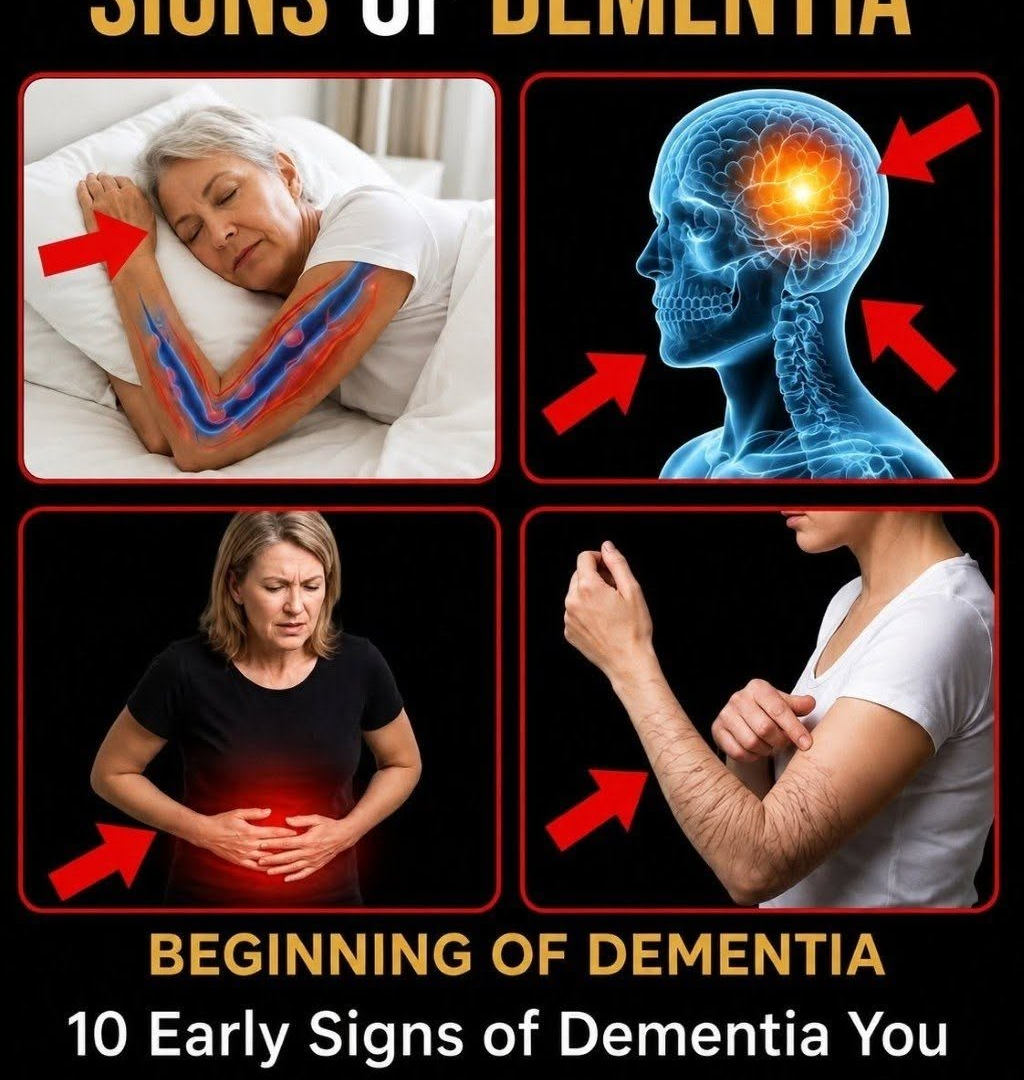
Reaching the age of 60 often brings a well-deserved sense of relief and a shift in priorities. However, it is also a time when the subtle changes of aging can begin to blur the line between a “senior moment” and something more concerning. The images accompanying this topic—showing older adults experiencing unexplained pain, headaches, confusion, and memory lapses—highlight how easily the early signs of dementia can be misattributed to physical ailments or simply dismissed as the normal wear and tear of getting older. For adults over 60, understanding the difference between age-related forgetfulness and the warning signs of cognitive decline is not just a matter of curiosity; it is a critical step toward early intervention, better management, and preserving quality of life.
Why Early Detection Matters After 60
Dementia is an umbrella term for a group of symptoms caused by disorders affecting the brain, with Alzheimer’s disease being the most common. While the risk of developing dementia increases with age, it is not a normal part of the aging process.
The importance of early detection cannot be overstated. An early diagnosis allows for the possibility of identifying reversible causes of memory loss, such as vitamin deficiencies, thyroid issues, or medication side effects. If the cause is a neurodegenerative disease, early diagnosis provides access to treatments that may temporarily slow the progression of symptoms, gives families time to plan for the future, and allows the individual to participate in important legal, financial, and care decisions while they are still able.