That “Insect” on Your Son’s Head Is Almost Certainly a Tick: Here’s Exactly What to Do Next
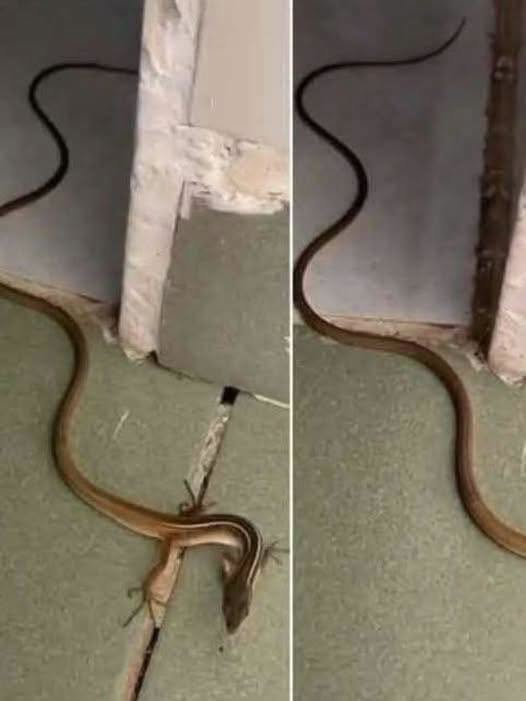
Finding a small, unfamiliar creature attached to your child’s scalp is a frightening moment, and the image in the post—showing a pale, oval-shaped bug with visible legs on the left and a small, reddish bite mark on a child’s scalp on the right—points to a very specific and common culprit. The insect is a tick, and the mark on the head is the site where it has attached itself to feed.
The good news is that prompt, calm action makes a significant difference. Most tick bites do not result in disease transmission, especially if the tick is removed quickly. Understanding what you are dealing with, how to remove it safely, and which warning signs to watch for in the weeks that follow will help you protect your son’s health without unnecessary panic.
Identifying the Tick in the Photo
The insect shown in the image has the classic appearance of an adult hard tick. Its body is oval and flattened, with a pale, tan-colored abdomen and darker legs. Based on the light markings visible on its back, it closely resembles a female Gulf Coast tick or a related species. Female Gulf Coast ticks have a dark brown plate behind the head with silvery-white stripes, while the rest of the body appears pale and oval when unfed .
Ticks are not insects in the strict sense; they are arachnids, related to spiders, and adults have eight legs . They cannot jump or fly. Instead, they wait on blades of grass or low vegetation and climb onto a host as it brushes past . Once on the body, they seek out warm, protected areas—the scalp, behind the ears, the armpits, the groin, and between the toes are all favored locations .
Why the Tick Is on the Scalp
The scalp is one of the most common places for a tick to attach, particularly in children. Ticks prefer areas where the skin is thin and easy to access, and hair provides cover and a sense of security for the feeding tick . This also makes ticks harder to spot, which is why a thorough check of the hair and scalp after time outdoors is so important.
The small, reddish bump visible in the photo is the bite site. A tick’s mouthparts are barbed, allowing it to anchor firmly into the skin while it feeds. It can remain attached for several days if not removed . The redness around the attachment point is a normal local reaction to the bite and the tick’s saliva.
How to Remove the Tick Safely
The method of removal matters enormously. Improper removal can cause the tick’s mouthparts to break off and remain in the skin, increasing the risk of infection and making the bite more difficult to treat.
Step-by-Step Removal
Use fine-tipped tweezers. Do not use your bare fingers, and do not try to smother the tick with petroleum jelly, alcohol, or a lit match. These methods are ineffective and can cause the tick to regurgitate fluids into the bite, potentially increasing disease risk .
Grasp the tick as close to the skin as possible. Position the tweezers around the tick’s mouthparts or head, not its body. Squeezing the body can inject harmful bacteria into the wound .
Pull upward with steady, even pressure. Do not twist or jerk the tick. Pull straight up until the tick releases its grip .
Clean the area. After removal, wash the bite site and your hands thoroughly with soap and water, or clean with rubbing alcohol .
Save the tick. Place it in a small container or plastic bag. If your son develops symptoms later, having the tick available for identification can help a doctor determine the appropriate course of action .
If the mouthparts break off and remain in the skin, try to remove them with clean tweezers. If you cannot remove them easily, leave them alone and contact your doctor .
What to Watch For in the Following Weeks
Most tick bites are harmless, but ticks can transmit bacteria and other pathogens. The risk of transmission generally increases the longer the tick remains attached. For Lyme disease, the most common tick-borne illness in the United States, the tick usually needs to be attached for at least 36 hours before it can transmit the bacteria .
Warning Signs to Monitor
Keep an eye on the bite site and your son’s general health for up to 30 days after the tick was removed . Contact a doctor if you notice:
A spreading rash. A red circle that expands over time, sometimes resembling a bullseye, is a classic sign of Lyme disease .
Fever, chills, or fatigue. These are common early symptoms of many tick-borne illnesses .
Headache or muscle aches. Generalized discomfort can accompany tick-borne infections.
Swollen glands. Lymph nodes near the bite may become enlarged.
If any of these symptoms appear, call your child’s doctor promptly. Early treatment with antibiotics is highly effective for many tick-borne diseases, including Lyme disease.
When to Call the Doctor Immediately
Some situations warrant a call to the doctor right away, even before symptoms appear. Contact your child’s healthcare provider if:
You are unsure whether the tick was a deer tick (the primary carrier of Lyme disease in many regions).
The tick was attached for more than 24 hours, or you do not know how long it was attached.
The tick was engorged (swollen with blood), indicating it had been feeding for some time .
In certain circumstances, a doctor may recommend a single preventive dose of antibiotics after a high-risk tick bite .
Prevention for the Future
The best way to protect your son from tick-borne illness is to prevent bites in the first place. Ticks live in grassy, brushy, and wooded areas. When spending time outdoors, dress him in long sleeves and long pants, and use an EPA-approved insect repellent on exposed skin. After returning indoors, check the entire body carefully, including the scalp, ears, armpits, and groin .
Conclusion
The insect on your son’s head is a tick, not an insect that will crawl away on its own. It has attached itself to feed, and the bite site visible in the photo is the result. The most important steps are to remove it promptly and correctly with fine-tipped tweezers, clean the area, and monitor for symptoms over the next month. Most tick bites resolve without complication, especially when the tick is removed quickly. If you are unsure about removal or notice any warning signs in the weeks ahead, contact your child’s doctor for guidance.
Frequently Asked Questions
What type of tick is in the picture?
Based on its pale, oval body and the light markings on its back, it closely resembles a female Gulf Coast tick or a related hard tick species . However, identification from a photo is not definitive, and the specific species is less important than prompt removal and monitoring.
Should I be worried that the tick was on my son’s head?
The scalp is a common and preferred attachment site for ticks . The key concerns are removing the tick properly and watching for symptoms. Quick removal significantly reduces the risk of disease transmission .
How long does a tick need to be attached to transmit disease?
For Lyme disease, the tick generally needs to be attached for at least 36 hours before the bacteria can be transmitted . This is why early removal is so important. Other tick-borne diseases may have different transmission timelines.
What should I do with the tick after removal?
Save it in a small container or plastic bag. If your son develops symptoms later, the tick can be identified to help determine the appropriate treatment .
When should I call the doctor?
Call the doctor if the tick was attached for more than 24 hours, if you are unsure of the tick species, or if your son develops a rash, fever, headache, or muscle aches in the weeks following the bite .