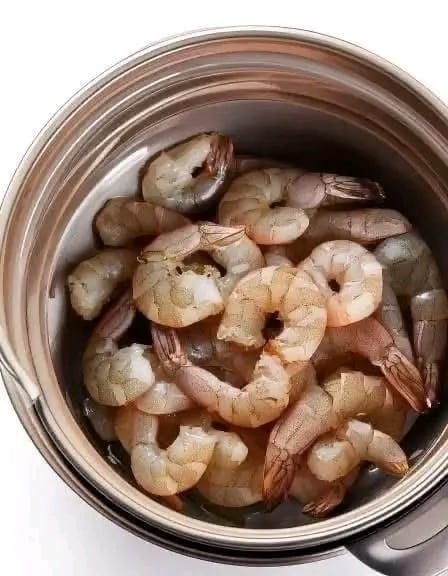
The Black Line on Shrimp: What It Is, Why It’s There, and Whether You Should Remove It
Few kitchen ingredients prompt as many questions as the humble shrimp. Whether you are preparing a quick weeknight stir-fry, assembling a seafood platter, or simply defrosting a bag of frozen shrimp for dinner, you have almost certainly noticed the dark, vein-like line running along the curved back of the crustacean. It is a detail that has launched countless internet searches and dinner-table debates, leaving home cooks wondering if the seafood is spoiled, if it needs to be cleaned, and what exactly that dark stripe represents.
The short answer is that the black line is not a vein in the traditional sense, nor is it a sign that the shrimp is unsafe to eat. It is a normal part of shrimp anatomy—the digestive tract—and understanding its function helps demystify the cleaning process. This guide explains what the black line is, why it sometimes appears dark and other times nearly invisible, how to remove it, and the practical culinary reasons why chefs often choose to do so.
What Exactly Is the Black Line on a Shrimp?
The dark line running down the back of a shrimp is commonly referred to as the “vein,” but this popular label is anatomically misleading. The line is actually the shrimp’s digestive tract, which runs from the stomach area near the head all the way down to the tail. It functions much like an intestine, carrying waste and digested food through the body.
Because it is a digestive organ, the tract can contain sand, grit, and partially digested material. In larger shrimp, the line is often more visible and more likely to hold a noticeable amount of these contents. In smaller shrimp, the tract is thin and may be difficult to see at all.
The confusion surrounding the term “vein” likely stems from the fact that the line looks like a blood vessel. However, shrimp do not have a centralized cardiovascular system like mammals. The dark line is a digestive structure, not a circulatory one. Some people also mistakenly refer to the line as the shrimp’s “poop chute,” which is closer to the truth, though still a colloquial description rather than a scientific one.
Why Is It Sometimes Black and Sometimes White?
Anyone who has cooked shrimp regularly has noticed that the line is not always the same color. Sometimes it is a stark, dark black; other times it is a pale, almost translucent white or gray. This variation is completely normal and depends on several factors.
The primary factor is what the shrimp has recently eaten. When a shrimp consumes dark-colored food, such as algae or certain types of detritus, the digestive tract appears darker. Conversely, if the shrimp has recently molted or has been held in clean water for a period, the tract may appear lighter. The color of the line is not a reliable indicator of freshness or quality. A shrimp with a light-colored tract is not necessarily fresher than one with a dark line.
Another factor is the presence of the hepatopancreas, often called the “head fat” or “tomalley.” This organ, located near the head, plays a role in digestion and can contribute to the dark appearance of the tract when the shrimp is processed. In some culinary traditions, the hepatopancreas is considered a delicacy and is left intact, which can make the line appear more prominent.
Is It Safe to Eat Shrimp with the Black Line?
The most common question home cooks ask is whether they need to remove the black line before cooking. The answer is that it is not strictly necessary for food safety. The digestive tract is not inherently toxic, and consuming it will not make you ill.
However, there are practical and culinary reasons to consider removing it. First, the tract can contain sand and grit, which can create an unpleasant texture in the final dish. This is especially true for larger shrimp, where the digestive tract is more developed and can hold a noticeable amount of sediment. Second, the contents of the tract can impart a slightly bitter or muddy flavor, particularly in dishes where the shrimp is the star ingredient and its natural sweetness is meant to shine.
For these reasons, many professional chefs and experienced home cooks choose to devein shrimp before cooking. It is a matter of preference rather than safety. If you are using small shrimp in a recipe where they will be heavily seasoned or chopped, you may not notice the difference. But for dishes like shrimp cocktail, grilled shrimp, or garlic butter shrimp, where the flavor and texture of the seafood are front and center, removing the tract is often worth the extra effort.
Does the Black Line Indicate Spoilage?
The color of the line is frequently misunderstood as a freshness indicator. In reality, the darkness of the digestive tract tells you more about the shrimp’s diet than about its age or safety. A shrimp with a dark line is not spoiled, and a shrimp with a light line is not guaranteed to be fresh.
When evaluating shrimp for freshness, there are far more reliable signs to look for. Fresh shrimp should have a mild, briny smell—not a strong, ammonia-like odor. The flesh should be firm and slightly translucent, not mushy or opaque. The shells, if still on, should be shiny and intact, not slimy or discolored. These sensory cues provide a much more accurate assessment of quality than the color of the digestive tract.
It is also worth noting that the black line is not the same as the dark spots that can appear on shrimp shells after they are cooked or stored. Those spots are caused by enzymatic browning and are a separate phenomenon. The digestive tract itself is a consistent anatomical feature, and its color variation is a normal part of shrimp biology.
How to Devein a Shrimp: A Step-by-Step Guide
Deveining shrimp is a straightforward process that becomes easier with practice. There are several methods, each suited to different preferences and kitchen tools. The most common approach involves a small paring knife or a specialized tool called a shrimp deveiner.
Preparation and Safety
Before you begin, ensure that your hands, tools, and work surface are clean. Shrimp are perishable, so it is best to keep them cold until you are ready to work with them. If you are using frozen shrimp, thaw them in the refrigerator overnight or under cold running water, then pat them dry with paper towels. Working with dry shrimp makes the process cleaner and less slippery.
The Knife Method
The most widely used method involves a small, sharp knife. Hold the shrimp in one hand with the curved back facing up. Insert the tip of the knife just behind the head, where the shell meets the body. Make a shallow cut along the length of the back, following the dark line. Be careful not to cut too deeply, as you do not want to split the shrimp in half. Once the cut is made, use the tip of the knife or your fingers to lift out the dark tract. Rinse the shrimp briefly under cold water to remove any remaining grit, then pat it dry.
The Deveining Tool Method
A shrimp deveiner is a small, hook-shaped tool designed specifically for this task. It is inserted into the back of the shrimp and pulled along the length of the tract, removing the line in one smooth motion. This tool is particularly useful for large batches of shrimp and can be found in most kitchen supply stores or online. It is a convenient investment for anyone who cooks shrimp regularly.
The Toothpick Method
For a simpler, less invasive approach, a toothpick can be used to extract the tract. Insert the toothpick through the shell just below the dark line, near the second or third segment of the shrimp. Gently lift upward, and the tract should emerge with the toothpick. This method is useful if you want to keep the shrimp intact and avoid a visible cut along the back. It works best with larger shrimp where the tract is more prominent.
Peeling vs. Deveining
It is important to distinguish between peeling and deveining. Peeling refers to removing the shell, while deveining refers to removing the digestive tract. Many recipes call for peeled and deveined shrimp, but the two steps are separate. You can devein shrimp without peeling them, which is often done when the shells are left on for grilling or roasting. Conversely, you can peel shrimp without removing the tract, though most cooks prefer to do both for a cleaner final product.
Does Deveining Affect the Taste and Texture of the Dish?
The impact of deveining on the final dish depends on the recipe and personal preference. In a blind taste test, many people would struggle to detect a significant difference between deveined and non-deveined shrimp, especially if the shrimp are small or heavily seasoned. However, there are circumstances where the difference is more noticeable.
The primary concern is grit. If the digestive tract contains sand or sediment, it can create a slight crunch or grittiness that detracts from the smooth texture of the shrimp. This is more likely in larger shrimp or those harvested from certain environments. Removing the tract eliminates this risk.
The second concern is flavor. The contents of the digestive tract can contribute a faint bitterness or earthiness to the dish. In preparations where the natural sweetness of the shrimp is the focal point—such as ceviche, shrimp cocktail, or simply sautéed shrimp with garlic and butter—removing the tract allows the clean, sweet flavor of the seafood to come through more clearly.
That said, many cooks in various culinary traditions around the world leave the tract intact. In some Asian cuisines, the entire shrimp, including the tract, is used in dishes like fried rice or soups, where the flavors are complex and the shrimp is not the sole focus. The decision is ultimately a matter of personal taste and the specific demands of the recipe.
Common Myths and Misconceptions
The black line on shrimp has generated its share of myths, and separating fact from fiction is helpful for anyone who wants to approach seafood preparation with confidence.
One common misconception is that the line is a blood vein. As mentioned earlier, shrimp do not have a centralized circulatory system, and the line is a digestive tract. Another myth is that the black line is always a sign of spoilage. As discussed, the color of the tract varies with diet and is not a reliable freshness indicator.
Some people believe that deveining is a mandatory step for all shrimp dishes. In reality, it is a matter of culinary preference and recipe requirements. Small shrimp used in a stir-fry or a salad often do not need to be deveined, while large shrimp intended for a delicate preparation may benefit from the cleaner taste and appearance.
Finally, there is a persistent belief that the black line is poisonous. This is not true. The digestive tract is not toxic, and consuming it will not cause harm. The reasons to remove it are purely culinary: to avoid grit, improve flavor, and present a cleaner-looking dish.
Conclusion
The black line on a shrimp is one of the most recognizable features of the crustacean, but it is also one of the most misunderstood. It is not a vein, it is not a sign of spoilage, and it is not dangerous to eat. It is the shrimp’s digestive tract, and its color varies naturally depending on diet and environmental factors.
Whether you choose to devein shrimp is a matter of personal preference and the needs of your recipe. For dishes where the shrimp is the centerpiece and the texture and flavor are meant to be pristine, removing the tract is a simple step that yields a cleaner, more refined result. For casual dishes where shrimp is one component among many, the extra effort may not be necessary.
Understanding the anatomy of the shrimp and the purpose of the black line allows home cooks to make informed decisions in the kitchen. With a little practice, deveining becomes a quick and easy task, and the result is a dish that showcases the sweet, delicate flavor of one of the ocean’s most beloved ingredients.
Frequently Asked Questions
Is the black line on shrimp a vein?
No. Despite the common term, the black line is not a blood vein. It is the shrimp’s digestive tract, which runs from the head to the tail and serves to process food and waste. Shrimp do not have a centralized cardiovascular system like mammals, so the line is not part of their circulatory system.
Is it safe to eat shrimp without removing the black line?
Yes, it is generally safe to eat shrimp with the digestive tract intact. The tract is not toxic and will not make you ill. However, it can contain sand or grit, and some people find that it imparts a slightly bitter or muddy flavor to the dish. The decision to remove it is a matter of culinary preference rather than food safety.
Why is the black line sometimes white or light-colored?
The color of the digestive tract depends on what the shrimp has recently eaten and its overall physiology. A diet rich in dark-colored food can make the tract appear darker, while a shrimp that has recently molted or been held in clean water may have a lighter tract. The color is not a reliable indicator of freshness or quality.
Does the black line mean the shrimp is spoiled?
No. The darkness of the digestive tract is not a sign of spoilage. To assess freshness, rely on other cues such as a mild, briny smell, firm and translucent flesh, and intact, shiny shells. An ammonia-like odor, mushy flesh, or slimy shells are better indicators of spoilage than the color of the tract.
How do I remove the black line from shrimp?
There are several methods. The most common is to use a small paring knife to make a shallow cut along the back of the shrimp and lift out the tract with the tip of the knife. Alternatively, a shrimp deveiner tool or a toothpick can be used to extract the line. Rinse the shrimp briefly after removing the tract to remove any remaining grit.