The Little Black Bugs in the Bathroom: What Drain Flies Are and How to Get Rid of Them
The appearance of tiny, dark, moth-like insects fluttering around the bathroom sink or resting on the shower wall is a common and frustrating household problem. These small pests often seem to appear out of nowhere, multiplying rapidly and returning even after they are swatted or sprayed. The viral claim that a simple trick can eliminate them for good is appealing, but the truth is that there is no single magical solution. These insects are drain flies, and they cannot be controlled by addressing the adults alone. Effective elimination requires understanding where they breed and removing the organic material that sustains their larvae.
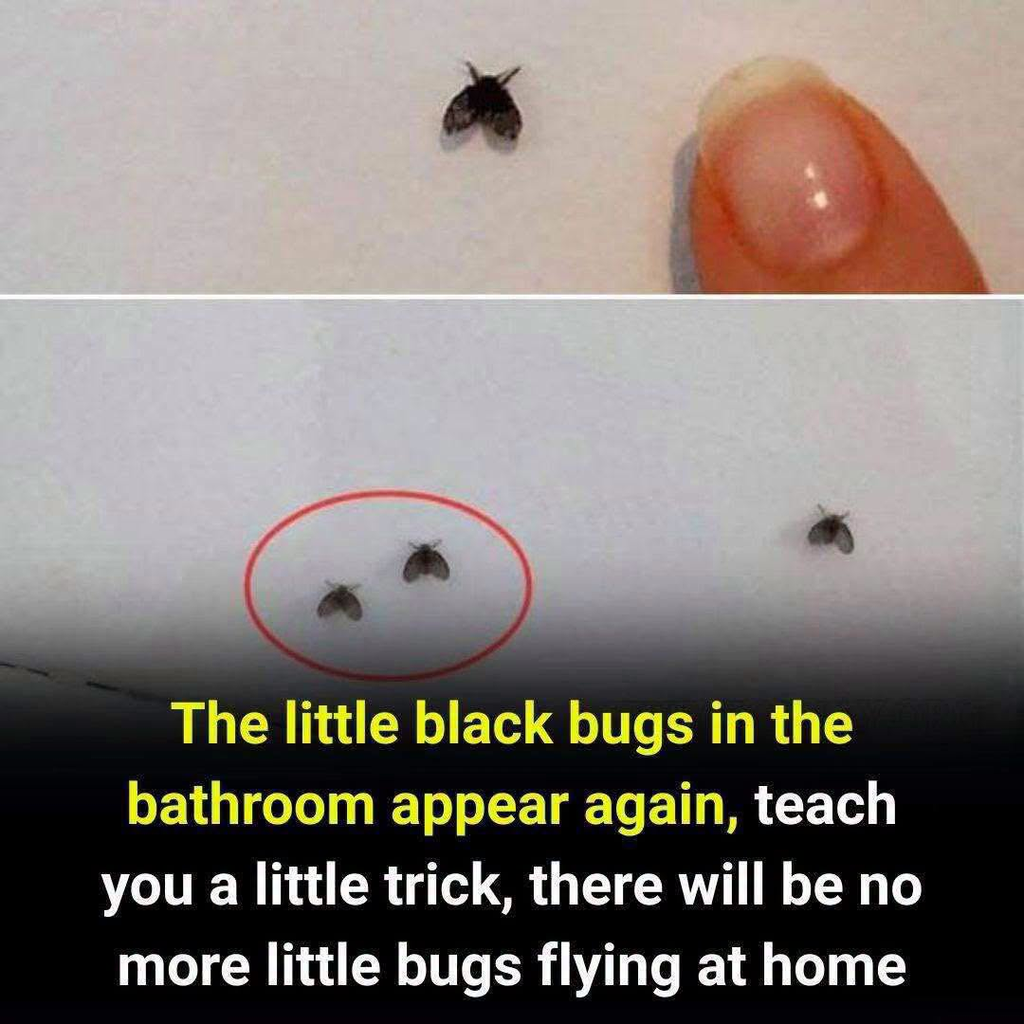
Drain flies—also known as moth flies, sewer flies, or sink flies—are small, fuzzy insects that belong to the family Psychodidae . They are characterized by their tiny size, typically around a quarter of an inch, and their heart-shaped, grayish wings that give them a moth-like appearance . While they do not bite or transmit serious diseases, they are a nuisance and an indicator of unsanitary conditions in the plumbing system . The key to getting rid of them is not a secret household hack but a targeted approach that focuses on the breeding sites hidden inside drains.
Identifying the Pest: Not a Moth, Not a Fruit Fly
Before implementing any control strategy, it is helpful to confirm that the insects in question are indeed drain flies. Their appearance and behavior offer several distinguishing clues. Drain flies are weak fliers that tend to hop or make short, erratic flights along walls and ceilings near sinks, showers, and floor drains . When crushed, their fuzzy wings can produce a small dust cloud .
They are often confused with fruit flies, but their breeding habits are entirely different. Fruit flies are attracted to overripe fruit and fermenting organic matter in kitchens, while drain flies are specifically drawn to the gelatinous slime that accumulates inside plumbing . If the insects are concentrated around bathroom drains and do not seem interested in food waste, they are almost certainly drain flies.
The Source of the Problem: Organic Buildup in Drains
The life cycle of the drain fly explains why they are so persistent. Adult females lay their eggs in the organic film—a mixture of hair, soap scum, skin cells, and bacteria—that coats the interior of drains and pipes . This slime layer is the perfect nursery for the larvae, which feed on the bacteria and decaying matter within it . The larvae are tiny, worm-like, and nearly transparent, with a small black head, and they can sometimes be seen wriggling along the moist edges of the drain .
Because the larvae develop inside the pipe, simply killing the adult flies that emerge does nothing to solve the underlying infestation. A new generation will continue to hatch as long as the breeding site remains. The life cycle can be completed in as little as two weeks, allowing populations to rebound quickly if the source is not addressed .
Why Common Home Remedies Fall Short
The internet is full of suggestions for eliminating drain flies, but many of the most popular methods are only partially effective. Understanding their limitations can save time and frustration.
The Bleach Myth
Pouring bleach down the drain is a widely recommended remedy, but pest control experts warn against relying on it. Bleach can kill some of the larvae and flush away loose debris, but it does not break down the thick, sticky organic sludge that the larvae feed on . The gelatinous layer remains intact, providing a continued food source for future generations. In fact, bleach can even be counterproductive, as it may kill beneficial bacteria that help break down waste while leaving the physical breeding material in place.
Boiling Water
Boiling water is a more effective short-term measure. It can kill larvae on contact and help melt away some of the grease and soap scum lining the pipes . However, for a heavy buildup of organic matter, a single application of boiling water is rarely sufficient to remove the entire breeding site. It is best used as a follow-up after mechanical cleaning or in combination with other methods.
The Effective Approach: Removing the Breeding Site
The only reliable way to eliminate drain flies is to remove the organic material in which they breed. This requires a combination of mechanical cleaning and targeted treatment of the drain.
Step 1: Identify the Active Drains
Not every drain in the home will be a breeding site. Drain flies tend to congregate near their source. A simple monitoring trick recommended by pest management experts is to place a clear plastic cup upside down over the drain overnight . If flies are trapped inside the cup in the morning, that drain is an active breeding site and needs immediate attention. This is particularly useful for identifying problems in infrequently used drains, such as those in guest bathrooms or basements, which are common locations for infestations .
Step 2: Mechanical Cleaning
The most important step is to physically scrub the inside of the drain. A stiff drain brush should be used to loosen and remove the slimy film coating the pipe walls . This is the material that contains the eggs and larvae. For drains with a heavy buildup, it may be necessary to remove the drain cover or stopper to access the interior thoroughly. While this is not a glamorous task, it is the most effective way to disrupt the life cycle.
Step 3: Enzyme Treatments
After scrubbing, an enzyme-based drain cleaner can be used to break down any remaining organic residue . Unlike bleach, enzymes are designed to digest the proteins, fats, and starches that make up the biofilm, effectively removing the food source for drain flies. These treatments should be used according to the manufacturer’s instructions and may require repeated applications for severe infestations.
Step 4: Flushing with Hot Water
Following the enzyme treatment, flushing the drain with very hot water can help clear away loosened debris and keep the pipe clean . This should be done regularly as a preventive measure to prevent new buildup from forming.
Prevention: Keeping Drains Fly-Free
Once the initial infestation has been cleared, a few simple habits can prevent drain flies from returning. Regular cleaning of drains, particularly those that are not used daily, is essential. Running water in infrequently used sinks and showers helps to prevent the formation of stagnant water and organic films . Fixing any leaks that create moisture under sinks or in cabinets is also important, as drain flies can breed in any damp environment with organic matter . Finally, maintaining good ventilation in bathrooms reduces humidity, making the environment less hospitable for these pests.
Conclusion: A Practical Solution, Not a Secret Trick
The viral claim of a “little trick” that eliminates bathroom bugs for good is appealing, but the reality is that effective control requires a bit of effort. Drain flies are not defeated by a single remedy or a chemical spray. They are defeated by removing the organic sludge in which they breed. By combining mechanical scrubbing, enzyme treatments, and consistent drain maintenance, homeowners can break the life cycle and keep these fuzzy pests from returning. The solution is not hidden or magical—it is simply a matter of targeting the source.
Frequently Asked Questions
What are the tiny black bugs in my bathroom?
They are most likely drain flies, also known as moth flies. They are small, fuzzy, moth-like insects that breed in the organic film inside drains.
Are drain flies dangerous?
Drain flies do not bite humans and are not known to transmit serious diseases. However, they can carry bacteria from the unsanitary environments where they breed, so they should be eliminated .
Why do drain flies keep coming back?
They keep returning because the breeding site—the organic slime inside the drain—has not been removed. Killing adult flies does not affect the eggs and larvae developing in the pipe .
Does bleach kill drain flies?
Bleach can kill some larvae, but it does not break down the organic sludge that they feed on. The breeding site remains, and the flies will return. Mechanical cleaning and enzyme treatments are more effective .
How can I tell which drain is the source?
Place a clear plastic cup upside down over a drain overnight. If flies are trapped inside in the morning, that drain is an active breeding site .
How do I prevent drain flies?
Clean drains regularly, run water in infrequently used sinks, fix leaks, and reduce humidity in the bathroom. Enzyme cleaners can help maintain clean pipes between deep cleanings .