The Mysterious Creature on the Bathroom Floor: Identifying the Land Flatworm and Why You Shouldn’t Panic
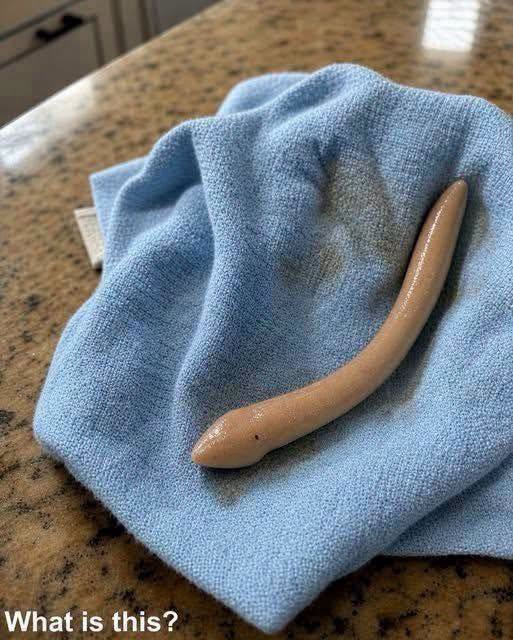
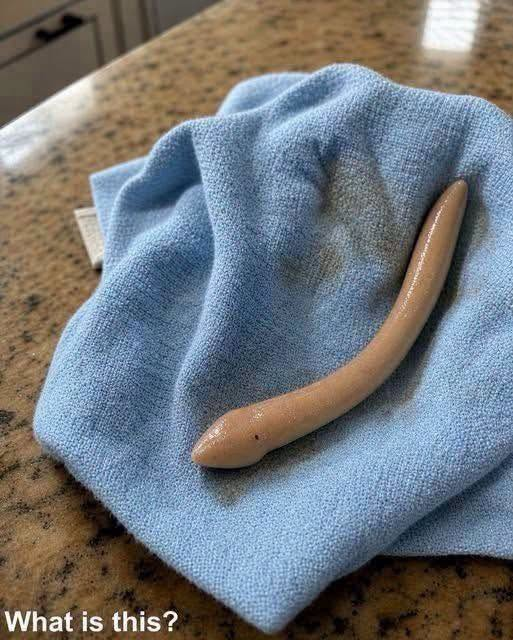
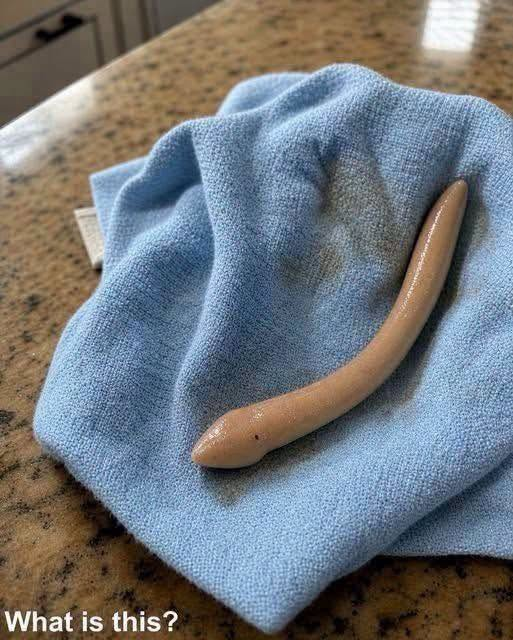
Finding an unfamiliar, slug-like creature on the bathroom floor is an experience that can trigger immediate alarm. The mind races to worst-case scenarios, and the internet is full of stories that amplify those fears. However, the smooth, elongated, tan-colored object in your photograph is almost certainly a land flatworm (also known as a terrestrial planarian). It is a harmless creature that likely wandered indoors by accident, and it poses no threat to you or your girlfriend. Understanding what it is, why it is in the bathroom, and how to handle it safely can turn a moment of anxiety into a simple, manageable task.
What Is a Land Flatworm?
Land flatworms are a type of soft-bodied invertebrate that belongs to a group of animals distinct from earthworms or slugs. They are characterized by their flattened, elongated bodies, which can range in color from pale tan to dark brown or black. The object in your image has the classic appearance of a flatworm: a smooth, moist-looking surface, a somewhat pointed head, and a body that tapers toward the tail.
Why It Looks the Way It Does
The flatworm’s moist, glistening appearance is the result of a layer of mucus that it secretes to prevent its body from drying out. This mucus also helps it glide smoothly over surfaces. Unlike slugs, which have a more rounded, fleshy body and visible tentacles, flatworms are generally flatter and have a different style of movement. They are often found in damp environments, such as gardens, under rocks, and in leaf litter.
How It Got into the Bathroom
Flatworms need moisture to survive, and a bathroom is an attractive temporary shelter because of the humidity and the presence of water. The most likely route of entry is through a potted plant that was recently brought indoors, or through a gap or drain area. They can also hitch a ride on shoes or clothing after a walk in the garden. Once inside, they seek out damp, dark places to hide.
What It Is Not
The most important thing to understand is what this object is not. It is not a human parasite. The human tapeworm, which is a common source of anxiety, does not look like this. Tapeworm segments that might be passed in stool are small, flat, and often described as resembling grains of rice. They do not form a long, broad, free-crawling creature like the one in the photograph.
It is also not a slug, though it can look similar. Slugs have a more rounded, fleshy body and often have visible tentacles. Flatworms are generally flatter and have a different style of movement. The distinction matters because it helps confirm that this is not a common garden pest that might damage plants, but a predator that feeds on other small invertebrates.
What to Do Next
The practical steps for handling this situation are simple and straightforward.
Handle with Care
While the flatworm is not dangerous to humans, it is still a wild creature. Some species of flatworm can produce an irritating mucus, and it is best to avoid handling it with bare hands. Use gloves or a paper towel to pick it up, and place it in a sealed container or a plastic bag for disposal. Do not cut it into pieces, as some flatworms can regenerate from fragments.
Clean the Area
After removing the flatworm, clean the area where it was found. Wipe down the floor and any nearby surfaces with a household cleaner. If the flatworm was on a towel, wash the towel in hot water. This is a standard hygiene measure and ensures that any residue is removed.
Check for Entry Points
Take a moment to inspect the bathroom for potential entry points. Look for gaps around pipes, cracks in the floor or walls, and check any potted plants that might be in the room. Sealing these gaps can help prevent future visits from moisture-loving creatures.
Why This Is Not a Cause for Embarrassment
The feeling of embarrassment you described is completely understandable, but it is not necessary. Finding a flatworm in a bathroom is a common occurrence in many parts of the world, especially in homes with gardens or houseplants. It is a reflection of the environment, not of hygiene or personal habits. Your girlfriend is unlikely to be upset or offended if you mention it; in fact, she might be relieved to know what it was and that it was not something more concerning.
If you do decide to bring it up, a lighthearted approach can work well. You could say something like, “I found this strange little thing on the floor and looked it up—apparently it’s just a flatworm that probably came in from a plant. I got rid of it for you.” This frames the conversation as a helpful discovery rather than a source of awkwardness.
Conclusion
The pale, curved object on the floor is a land flatworm, a harmless creature that likely wandered into the bathroom from a garden or a potted plant. It is not a parasite, it is not dangerous, and it does not indicate any problem with your girlfriend’s health or hygiene. By handling it safely, cleaning the area, and checking for entry points, you can resolve the situation quickly and without any need for embarrassment. The next time you see something unfamiliar in a bathroom, you can remember that it is often just a small piece of the natural world that found its way indoors.
Frequently Asked Questions
Is this object a human parasite?
No. It is a land flatworm, which is a free-living creature that feeds on small invertebrates in damp environments. It is not a human parasite, and it is not a sign of any infection or health issue.
Could it be a slug?
It is possible, but the flattened shape and pointed ends are more consistent with a flatworm. Slugs are generally more rounded and have a different texture. Either way, neither is a threat to humans.
Is it dangerous to touch?
It is not dangerous, but some flatworms can produce irritating mucus. It is best to use gloves or a paper towel when handling it, and wash your hands afterward.
How did it get into the bathroom?
The most likely route is through a potted plant that was recently brought indoors, or through a gap or drain area. Flatworms are attracted to moisture and can enter homes in search of damp conditions.
Should I tell my girlfriend?
Yes, it is a good idea to let her know. You can explain that it was a harmless flatworm that likely came in from a plant, and that you have already removed it. This is a helpful and reassuring approach, and it avoids any unnecessary worry.