The Mystery of the Universal Arm Scar: Why Millions Share This Identical Mark
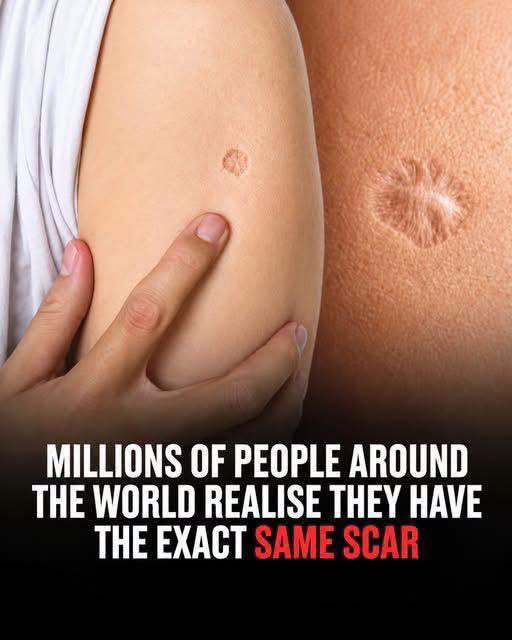
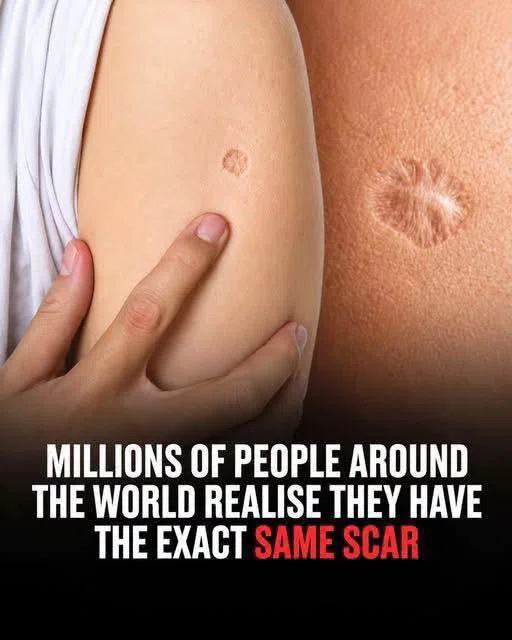
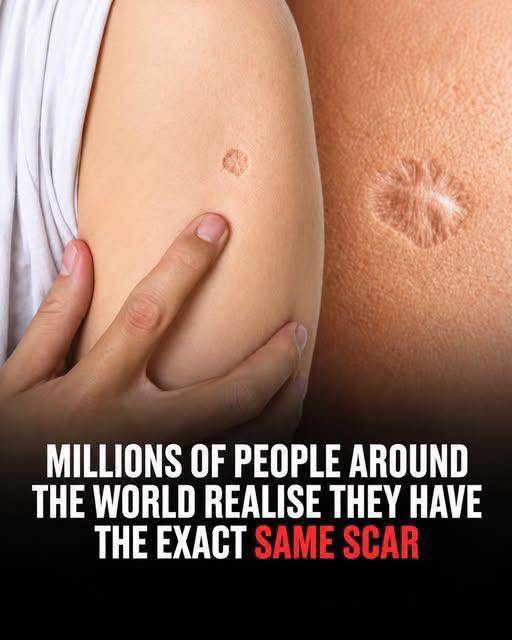
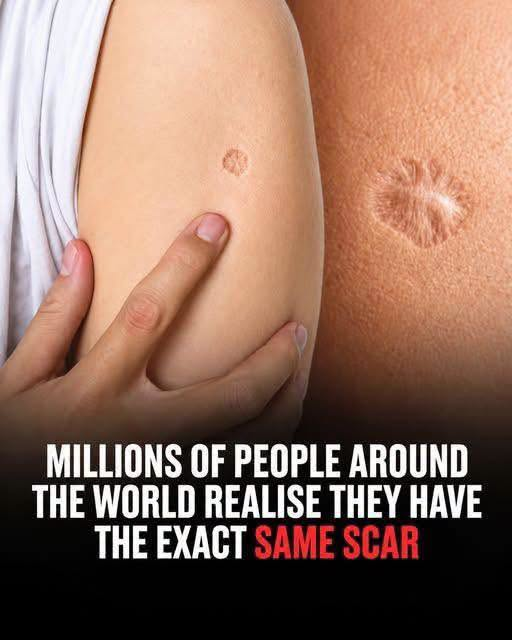
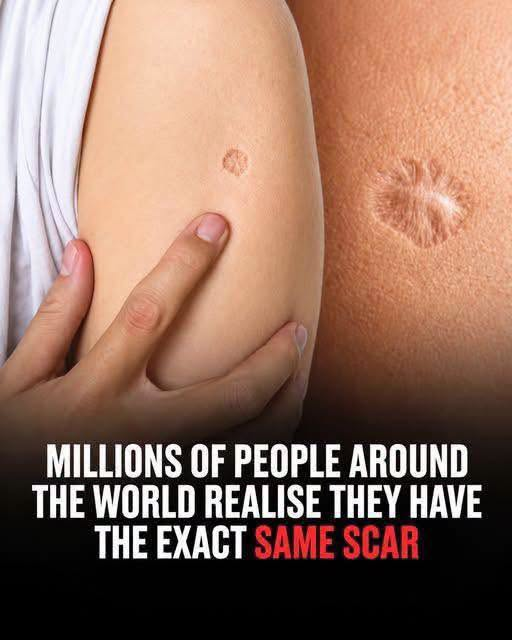
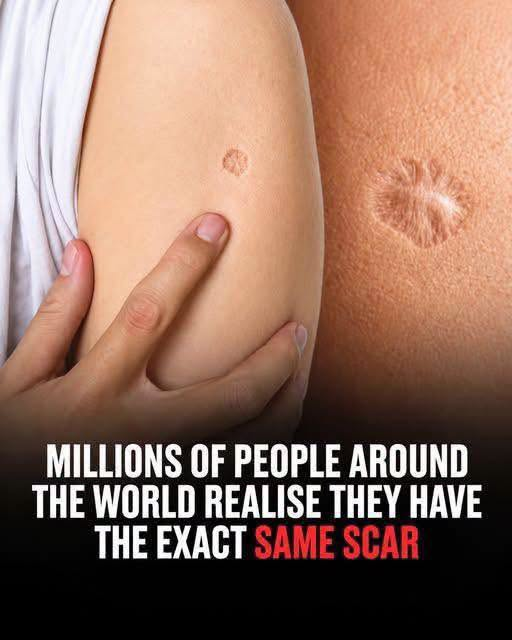
A small, circular, slightly pitted scar on the upper arm is one of the most common—and least questioned—marks on the human body. Millions of people around the world carry this identical scar, often without knowing where it came from or why it looks the way it does. The viral post highlighting this phenomenon has sparked a global conversation, with people comparing photos and sharing memories of a mark that connects generations across continents .
The answer, once revealed, is surprisingly simple: this is the scar left by the BCG vaccine, a childhood immunization against tuberculosis. It is not a birthmark, an injury, or a sign of something sinister. It is a badge of protection against one of history’s most persistent diseases, and its distinctive appearance is the result of the body’s immune response to a live, weakened strain of bacteria.
What Is the BCG Vaccine?
The BCG vaccine—short for Bacille Calmette-Guérin—is a vaccine primarily used against tuberculosis (TB), a bacterial infection that typically affects the lungs but can spread to other parts of the body. The vaccine was developed over a decade of research by French scientists Albert Calmette and Camille Guérin, and it was first used in humans in 1921.
The vaccine contains a weakened strain of Mycobacterium bovis, a bacterium that causes tuberculosis in cattle. By introducing this attenuated strain into the body, the immune system is trained to recognize and fight off the related bacterium that causes TB in humans. The BCG vaccine is not perfect—it does not provide complete protection in all cases—but it remains one of the most widely used vaccines in the world, particularly in countries where TB is common.
Why the Scar Forms
The scar is not a sign of a faulty injection or an allergic reaction. It is the visible result of the immune system responding to the vaccine. When the weakened bacteria are injected into the skin, the body mounts a localized immune response. This causes a small red bump to form, which eventually develops into a pustule, then a crust, and finally a small, slightly depressed scar.
The scar typically appears on the upper left arm, at the site where the injection was given. In some countries, the injection was administered on the inner arm to make the scar less visible . The appearance can vary slightly from person to person—some scars are more raised, others more pitted, and some are barely visible—but the circular, slightly textured mark is remarkably consistent across millions of people.
The Global Distribution of the Scar
The reason so many people share this scar is that the BCG vaccine has been administered as part of routine childhood immunization programs in many countries around the world. It is not a universal vaccine—it is not routinely given in the United States, for example, where TB is less common—but it is standard in countries where the disease poses a significant public health threat.
Countries Where BCG Is Routine
The BCG vaccine is part of the standard childhood vaccination schedule in many parts of the world, including:
Most countries in Europe, including the United Kingdom (where it was routinely given until 2005), France, and Germany
Many countries in Asia, including India, China, and Japan
Countries in Africa and Latin America
Parts of Eastern Europe and the former Soviet Union
The vaccine is typically given to infants shortly after birth, which is why most people who have the scar received it so early in life that they have no memory of the injection.
Why Some People Don’t Have It
If you do not have this scar, it does not mean you are unprotected or that something is wrong. It may simply mean that you were born in a country where the BCG vaccine is not part of the routine immunization schedule, such as the United States or Canada. It could also mean that you received the vaccine but did not develop a visible scar—this happens in a small percentage of cases and does not necessarily indicate that the vaccine was ineffective.
The Science Behind the Vaccine
The BCG vaccine works by stimulating both the innate and adaptive immune systems. The weakened bacteria in the vaccine are taken up by immune cells called macrophages, which present pieces of the bacteria to other immune cells, triggering a response that includes the production of antibodies and the activation of T-cells.
How Effective Is It?
The BCG vaccine is not a perfect vaccine. Its efficacy varies widely depending on the strain used, the age at which it is administered, and the prevalence of TB in the region. Studies have shown that it is most effective at preventing severe forms of TB in children, such as TB meningitis, but its protection against pulmonary TB in adults is more variable.
Despite these limitations, the BCG vaccine remains a critical tool in global public health. The World Health Organization recommends it for countries with a high burden of TB, and it is estimated to have saved millions of lives since its introduction.
The Scar as a Marker of Protection
For many people, the scar is simply a part of their body that they have never thought much about. But for those who understand its origin, it is a reminder of a time when tuberculosis was a far more common and deadly threat, and a testament to the global effort to protect children from a preventable disease.
Cultural and Personal Memories
The viral conversation around this scar has revealed that it is not just a medical artifact but also a shared cultural memory. People from different countries have shared stories of receiving the vaccine as children—the small needle prick, the blister that formed, the scab that eventually fell off to leave a small, permanent mark.
Some have described being teased about the scar or feeling self-conscious about it. Others have spoken about the connection they feel with strangers who share the same mark. In a world where so much divides us, the BCG scar is a small, physical reminder of a shared human experience—a moment of childhood that millions of people have in common.
Conclusion
The small, circular scar on the upper arm is not a mystery or a cause for concern. It is the BCG vaccine scar, a mark left by a childhood immunization that has protected millions of people from tuberculosis. Its widespread presence is a testament to the success of global vaccination programs and a reminder of the importance of public health efforts in combating infectious diseases. For those who carry it, it is a small, permanent record of a moment of care—a protective mark that connects them to generations of people around the world.
Frequently Asked Questions
What is the BCG vaccine?
The BCG vaccine is a vaccine against tuberculosis. It contains a weakened strain of bacteria that trains the immune system to fight off TB without causing the disease itself.
Why does the BCG vaccine leave a scar?
The scar forms as a result of the immune system’s response to the vaccine. The injection site develops a small bump, which becomes a pustule and then a scab, eventually leaving a small, circular scar.
Is the scar dangerous?
No. The scar is a normal and expected reaction to the vaccine. It is not harmful and does not require treatment.
Does the scar mean I am protected against TB?
The scar indicates that you received the vaccine, but it does not guarantee complete protection. The BCG vaccine is most effective at preventing severe forms of TB in children, but its protection can wane over time and varies between individuals.
Why do some people not have the scar?
The vaccine is not given routinely in some countries, such as the United States. Additionally, a small percentage of people who receive the vaccine do not develop a visible scar.
Can the scar be removed?
The scar can be removed through cosmetic procedures such as laser therapy or surgery, but this is not medically necessary. Most people choose to keep it as a harmless part of their medical history.