The Tick with the White Spot: Identifying the Lone Star Tick and What It Means for Your Son
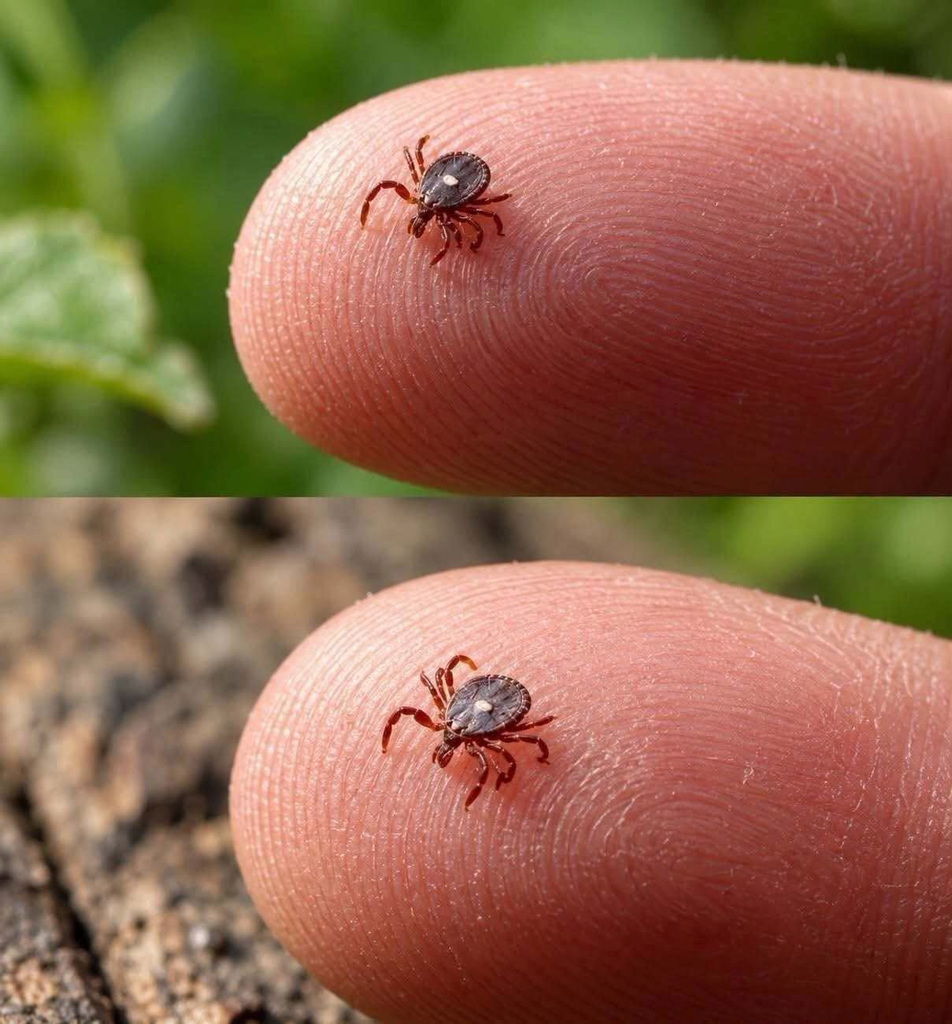
The creature you found crawling on your son’s leg is almost certainly a female Lone Star tick (Amblyomma americanum). The single, distinct white spot in the center of its dark brown back is the defining characteristic of the adult female of this species . While discovering a tick is always a stressful experience, particularly after a walk in the woods, there is some reassuring news: the Lone Star tick is not the primary carrier of Lyme disease, which is transmitted by the black-legged (deer) tick .
However, this does not mean the tick should be ignored. The Lone Star tick is a known vector for other illnesses, and understanding what it is, what it can transmit, and how to respond is the best way to protect your son’s health.
How to Confirm the Identification
The visual evidence in your photo aligns perfectly with the female Lone Star tick. The key features to look for are:
The White Spot: The adult female has a single, prominent white dot or “lone star” on the upper portion of her back (the scutum) . Males of the same species have scattered white markings or streaks instead of a single spot .
Body Shape and Color: The body is typically a reddish-brown, oval shape with eight legs (as an adult), which distinguishes it from insects that have six legs .
Mouthparts: The mouthparts are relatively long compared to some other tick species.
What Diseases Can the Lone Star Tick Transmit?
While Lyme disease is the most famous tick-borne illness, the Lone Star tick is associated with a different set of health concerns. The most notable include:
Ehrlichiosis
This is a bacterial infection that the Lone Star tick can transmit. Symptoms in humans typically appear within one to two weeks of a bite and can include fever, fatigue, muscle aches, and sometimes a rash. It is treatable with antibiotics, but prompt medical attention is important if symptoms develop.
Alpha-Gal Syndrome (AGS)
This is a potentially serious condition linked to Lone Star tick bites. The tick’s saliva contains a carbohydrate called alpha-gal, which is also found in mammalian meat (beef, pork, lamb). A bite can sensitize a person’s immune system, leading to an allergic reaction—sometimes severe and life-threatening—when they later consume red meat or dairy products . This allergy can develop after a single bite, though not everyone who is bitten will develop it.
Other Potential Concerns
The Lone Star tick has also been associated with a condition called Southern tick-associated rash illness (STARI), which produces a rash similar to Lyme disease but is not caused by the same bacterium.
What You Should Do Next
Since you found the tick crawling on your son’s leg, it may not have attached and fed. A crawling tick poses no risk of disease transmission; transmission requires the tick to be attached for a period of time (often 24-48 hours for many diseases). Your immediate steps should be:
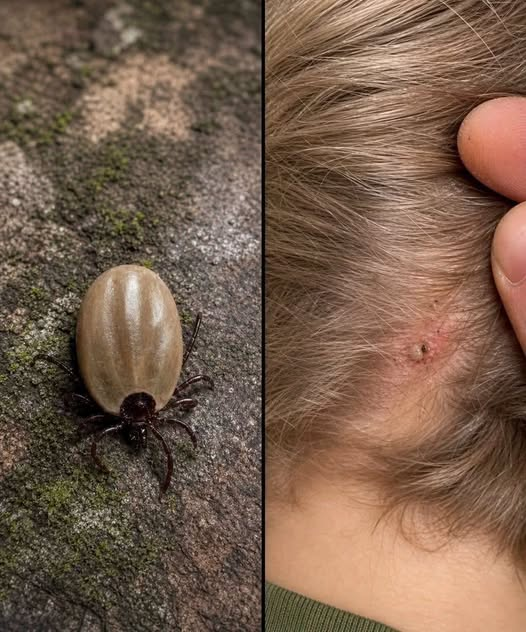
Check for Attached Ticks: Thoroughly inspect your son’s entire body, paying special attention to warm, hidden areas such as the hairline, behind the ears, armpits, waistband, and behind the knees.
Remove Any Attached Ticks Properly: If you find a tick embedded in the skin, use fine-tipped tweezers to grasp it as close to the skin’s surface as possible. Pull upward with steady, even pressure. Do not twist or jerk the tick, as this can cause the mouthparts to break off. After removal, clean the bite area and your hands with rubbing alcohol or soap and water.
Save the Tick: If the tick was attached, place it in a sealed bag or small container (you can put it in the freezer). This allows for identification and can be helpful if your son develops symptoms later.
Monitor for Symptoms: Keep an eye on your son over the next few weeks. Watch for fever, fatigue, muscle aches, or any unusual rash. If any of these occur, contact a healthcare professional and mention the tick exposure.
Conclusion
The tick in your photo is a female Lone Star tick, identifiable by its distinctive white spot. While it is a relief that this species is not the primary vector for Lyme disease, it is still important to be vigilant. By checking for attached ticks, removing them properly, and monitoring for symptoms, you can take the right steps to ensure your son’s wellbeing after his woodland adventure.
Frequently Asked Questions
Is the Lone Star tick dangerous?
It can transmit diseases like ehrlichiosis and is linked to Alpha-Gal Syndrome (a red meat allergy), but it does not carry Lyme disease . The risk of disease is low if the tick is removed promptly.
What does a Lone Star tick look like?
The adult female has a distinctive single white spot on her dark brown back. Males have scattered white streaks .
Should I be worried if it was just crawling?
No. A tick that is crawling and not attached has not had the opportunity to transmit any disease. You only need to be concerned if it was embedded in the skin.
What should I do with the tick?
If it was attached, save it in a sealed container in the freezer. If it was just crawling, you can dispose of it (e.g., flush it down the toilet or put it in a sealed bag in the trash).
When should I see a doctor?
If your son develops a fever, rash, muscle aches, or feels unwell in the weeks following a tick bite, consult a healthcare provider and inform them of the tick exposure.