The Truth About the Three-Point Tattoo: Why the Viral Warning Is Misleading
A viral social media post claims that if you see someone with a three-point tattoo, you should “run as far as you can.” The warning is alarming and has spread widely online, generating fear and speculation. However, the reality behind this small tattoo is far more complex and nuanced than the sensationalized caption suggests. While the three-dot tattoo does have documented associations with prison culture and gang lifestyles, it is also a deeply personal symbol, a religious marker, and a minimalist design chosen by millions of people with no criminal involvement whatsoever.
Understanding the real meaning behind the three-point tattoo requires moving past the viral fearmongering and examining its history, its cultural variations, and the importance of context. A tattoo is a form of self-expression, and its meaning is never universal. Assuming danger based on a few dots of ink is both inaccurate and unjust.
The Most Common Association: “Mi Vida Loca”
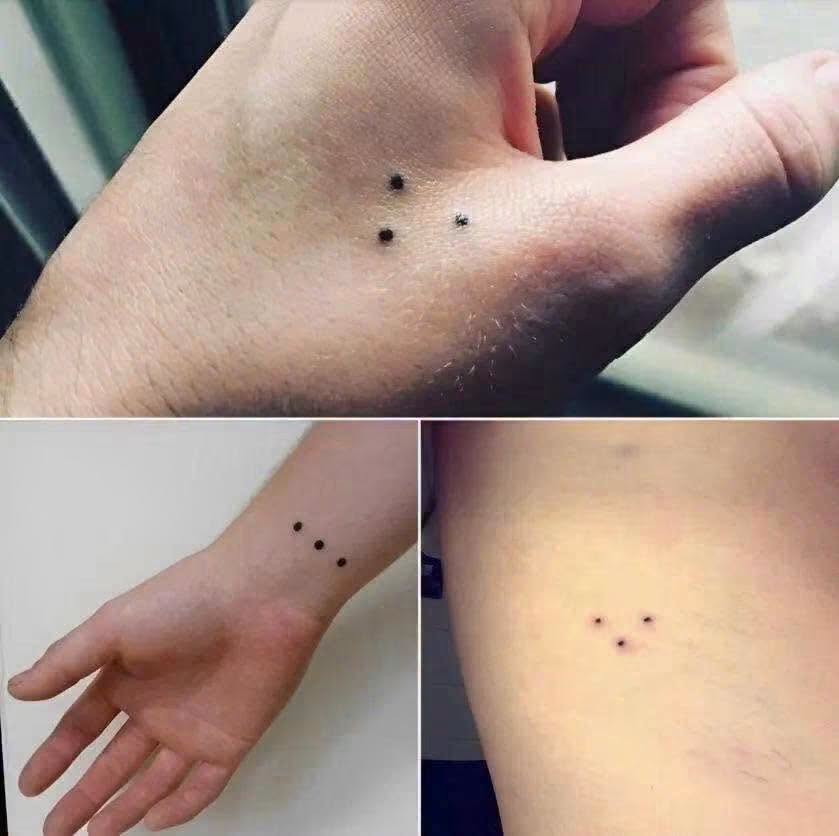
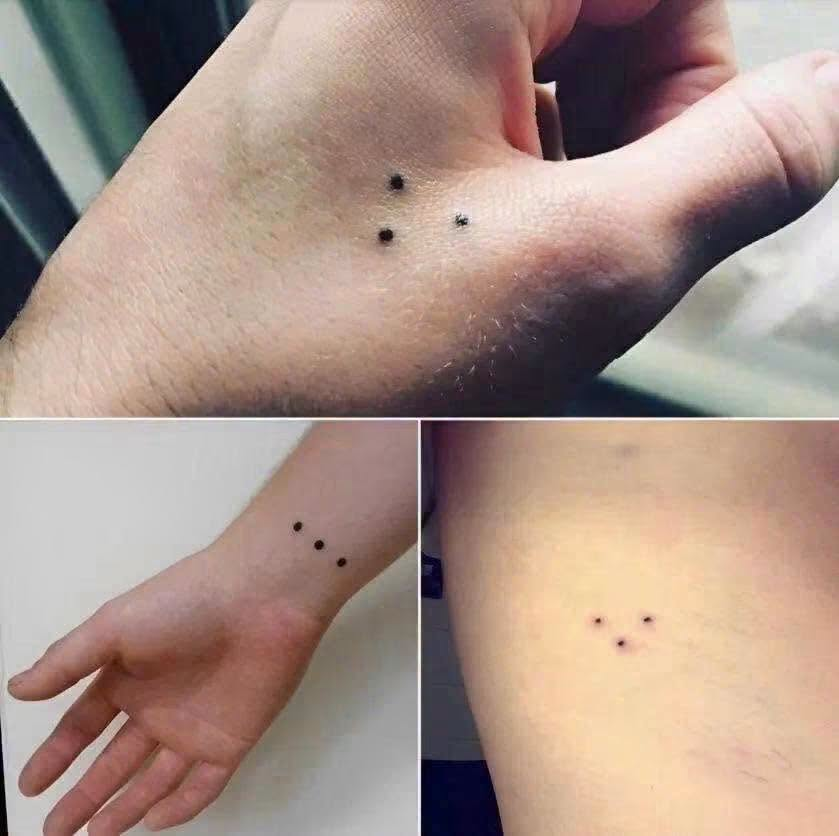
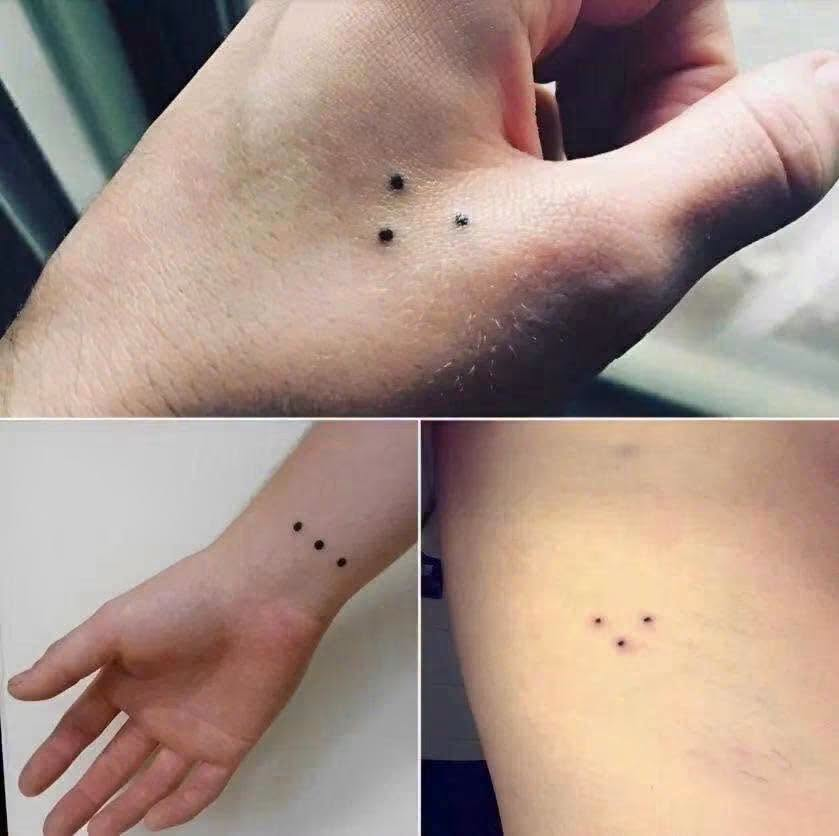
The three-dot tattoo, often arranged in a triangle, is most widely recognized for its association with the phrase “mi vida loca,” which translates from Spanish to “my crazy life.” This meaning originates from prison and gang culture, particularly within Chicano and Hispanic communities in the United States.
In this context, the tattoo is not a symbol of a specific gang, but rather an affiliation with a lifestyle. It can signal a life marked by chaos, risk, and survival. Some interpretations suggest it represents the idea that such a life often ends in one of three places: jail, the hospital, or the graveyard. It is a marker of resilience and a willingness to live on the edge, often associated with street life and rebellion.
The placement of the tattoo is often telling. It is commonly found on the hand, particularly between the thumb and forefinger, or sometimes near the eye. These visible locations are part of the tattoo’s communicative power within certain subcultures.
Beyond Gangs: Prison and International Meanings
While the “mi vida loca” meaning is the most frequently cited, the three-dot symbol has been used in various prison systems and cultures around the world, each with its own nuance.
Prison Culture
In the United States, the three-dot tattoo is a staple of prison tattoo culture, often created using a rudimentary stick-and-poke method. It signifies an adherence to the criminal lifestyle rather than membership in a specific organization.
In Russia, the three-dot tattoo is also linked to criminal networks, representing a commitment to the criminal way of life. In Germany, it has historically been used among convicts as a symbol of time served behind bars.
A Warning to Authority
In some contexts, the three dots carry a more direct, anti-authoritarian message. When placed between the thumb and index finger, the tattoo can mean “death to police” in certain interpretations. In France, it has been interpreted as a symbol meaning “death to the police” or “fuck the world,” and in Britain, it has been used to signify that “coppers are bastards.” These are specific, aggressive meanings tied to particular cultural and criminal contexts.
The Spiritual and Religious Meanings
It is crucial to recognize that the three-dot symbol predates and transcends its criminal associations. The number three holds sacred significance in many cultures and belief systems, and the tattoo is frequently chosen for spiritual reasons.
The Holy Trinity
In Christian belief, three dots can represent the Holy Trinity: the Father, the Son, and the Holy Spirit. This is a common and benign interpretation for many who wear the design.
Broader Spiritual Symbolism
In various spiritual circles, the number three represents wholeness and completeness. It can symbolize the past, present, and future; body, soul, and spirit; or beginning, middle, and end. For some, it is a simple, minimalist reminder of these concepts.
Personal and Aesthetic Choices
In recent years, minimalist tattoos have become increasingly popular. For many people, three small dots are simply an aesthetic choice, a subtle piece of body art with no deeper or sinister meaning.
A Personal Symbol
Some wear the tattoo to signify a personal commitment or a life philosophy. For example, in parts of Turkey, the three dots can represent the phrase “I hear nothing, I see nothing, and I tell nothing,” an oath of discretion and loyalty within a community. Others may use it to mark a significant life event or a personal mantra.
The Risk of Misinterpretation
The viral warning highlights a real-world problem: symbols can be misread. A young person getting a minimalist three-dot tattoo for its aesthetic appeal may be unaware of its association with prison culture. This can lead to awkward or even dangerous misunderstandings, particularly when traveling to regions where the symbol carries significant weight.
Conclusion: Context Is Everything
The viral claim that you should “run” from anyone with a three-point tattoo is an oversimplification that ignores the complexity of human expression. While the tattoo does have documented associations with prison and gang lifestyles, it is equally a symbol of faith, a personal mantra, a minimalist design, or a cultural marker with meanings that vary from country to country.
Judging a person’s character solely based on a small tattoo is neither fair nor accurate. The responsible approach is to recognize the symbol’s potential meanings without allowing a viral post to dictate fear. A tattoo is a single piece of a much larger picture, and context—the person, the placement, and the situation—is always more important than a few dots of ink.
Frequently Asked Questions
Is the three-dot tattoo always a gang symbol?
No. While it is associated with “mi vida loca” and criminal lifestyles, it is also widely used as a spiritual symbol (such as the Holy Trinity), a personal mantra, or a purely aesthetic minimalist design.
What does “mi vida loca” mean?
It is Spanish for “my crazy life.” In the context of the three-dot tattoo, it represents a chaotic, high-risk lifestyle often associated with gang culture and survival on the streets.
Does the placement of the tattoo matter?
Yes. Placement can change the meaning. A triangle between the thumb and forefinger is the classic “mi vida loca” placement. The same dots in that specific location have also been interpreted in some contexts as a threat to police. A three-dot tattoo elsewhere on the body may have a completely different, personal meaning.
Should I be afraid of someone with this tattoo?
No. It is not reasonable to fear someone based solely on a tattoo. The vast majority of people with this design are not dangerous. A person’s behavior and character are what matter, not a small piece of body art.
Can the three-dot tattoo mean something religious?
Yes. In Christianity, it can represent the Holy Trinity. In broader spiritual contexts, it can symbolize concepts of wholeness, time (past, present, future), or body, soul, and spirit.