The Two Holes in Your Lower Back: What They Really Mean and Why the Viral Claim Is Misleading
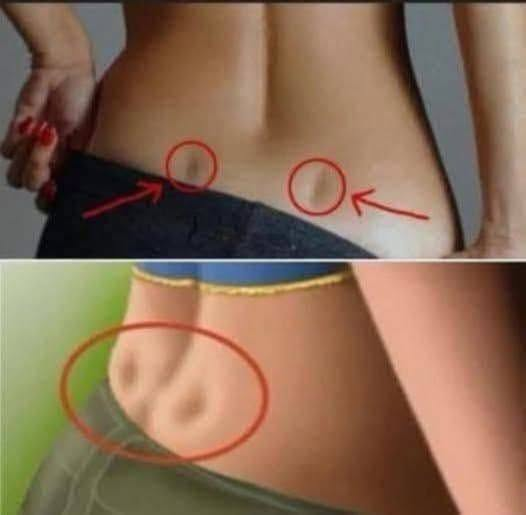
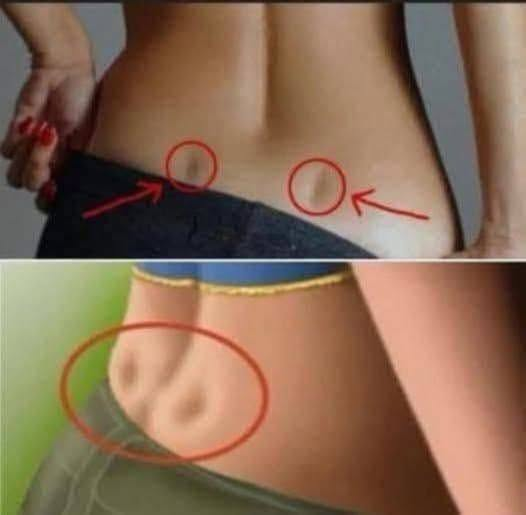
A viral social media post claims that having two small holes or dimples in your lower back means you “don’t…” something, leaving the sentence hanging to spark curiosity and concern. The image shows two distinct indentations positioned symmetrically on either side of the spine, just above the waistline. While the incomplete caption invites speculation about hidden health conditions or mysterious traits, the reality is far more straightforward and reassuring.
The two indentations shown in the image are back dimples, medically and colloquially known as the Dimples of Venus (or fossae lumbales laterales). They are a normal, harmless anatomical feature caused by the way a short ligament connects the skin to the pelvis. They are not a sign of disease, a marker of fertility, or an indicator of anything sinister. Understanding what these dimples actually are—and how they differ from other types of lower back indentations—can put an end to any unnecessary worry.
What Are the Dimples of Venus?
The Dimples of Venus are paired indentations that appear on the lower back, one on each side of the spine, just above the crease of the buttocks. They are formed by a short ligament that tethers the skin to the posterior superior iliac spine, the bony prominence of the pelvis. When the skin is pulled taut against this ligament, especially in people with less subcutaneous fat in the area, a dimple becomes visible.
This feature is present from birth and cannot be created through exercise or targeted training, because there is no muscle in that specific area to tone. However, the dimples can become more or less prominent depending on changes in body weight, body fat distribution, and age. Losing weight, for example, can make them more visible, while weight gain may soften their appearance.
Why They Are Called the Dimples of Venus
The name comes from Venus, the Roman goddess of beauty. Historically, these dimples have been celebrated as a mark of physical attractiveness, particularly in women. Some folklore traditions have linked them to luck, beauty, or even fertility, though there is no scientific evidence to support any of these claims. From a medical standpoint, the Dimples of Venus are purely cosmetic and carry no health implications.
Separating Back Dimples from Sacral Dimples
The viral post’s vague warning likely exploits a common confusion between two very different types of lower back indentations: the paired Dimples of Venus and a single sacral dimple.
The Single Sacral Dimple
A sacral dimple is a single indentation located in the midline, just above or within the crease between the buttocks. Unlike the Dimples of Venus, a sacral dimple can, in rare cases, be associated with underlying spinal conditions such as spina bifida occulta or a tethered spinal cord, particularly if it is accompanied by other features like a tuft of hair, a skin tag, or discoloration.
However, even most sacral dimples are harmless and require no treatment. The concern arises primarily in newborns when the dimple is deep, located higher up, or accompanied by other skin markers. In adults, a simple sacral dimple with no other symptoms is generally not a cause for alarm.
Why the Distinction Matters
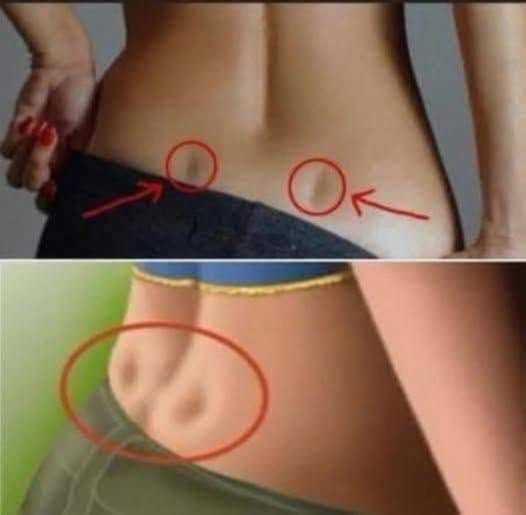
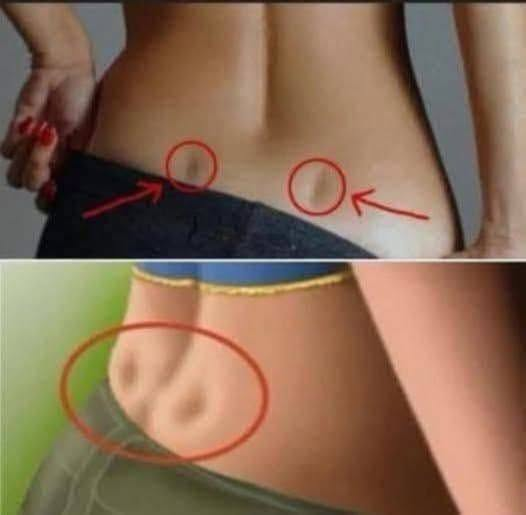
The two indentations in the image are positioned on either side of the spine, which is the classic presentation of the Dimples of Venus. They are not a single midline pit. This distinction is important because it separates a purely cosmetic feature from a finding that might—in a small number of cases—warrant medical evaluation. The viral post’s suggestion that these dimples indicate something hidden or concerning is therefore misleading. The paired dimples are not a warning sign; they are simply a normal variation in human anatomy.
What the Dimples Do Not Mean
The viral framing of “if you have these two holes, it means you don’t…” plays on common myths and misconceptions. It is worth addressing these directly.
They Are Not a Sign of Illness
Back dimples are not a symptom of any disease. They do not indicate kidney problems, spinal disorders, or any other medical condition. The kidneys are located deeper within the body and are not related to the surface indentations on the lower back.
They Are Not a Measure of Fertility or Sexual Function
Despite persistent folklore, there is no scientific evidence linking the Dimples of Venus to fertility, sexual performance, or pelvic circulation. These claims are myths, not medical facts.
They Cannot Be Created or Erased Through Exercise
Because the dimples are formed by a ligament connecting skin to bone, no amount of exercise can create them if they are not present from birth. Similarly, while weight changes can affect their visibility, they cannot be eliminated through targeted workouts.
When Should You Actually Be Concerned?
While the Dimples of Venus are harmless, there are situations involving lower back indentations that do warrant medical attention. These apply primarily to single, midline sacral dimples, particularly in infants.
You should consult a doctor if a lower back dimple is accompanied by:
A tuft of hair, skin tag, lump, or discolored patch of skin nearby
A deep pit or a visible opening that appears to connect to a tract beneath the skin
Pain, swelling, redness, or drainage from the area
Weakness, numbness, or bladder/bowel changes in the legs, which could indicate a neurological issue
For the paired, symmetrical Dimples of Venus shown in the image, none of these concerns apply. They are a normal anatomical feature with no associated risks.
Conclusion
The two indentations in the lower back are the Dimples of Venus, a harmless and common anatomical feature caused by a short ligament connecting the skin to the pelvis. They are not a sign of illness, a hidden health condition, or a mysterious trait. The viral post that uses an incomplete sentence to suggest otherwise is engaging in misleading clickbait rather than providing accurate information.
While a single, midline sacral dimple can, in rare cases, be associated with spinal conditions—particularly in newborns with additional skin markers—the paired dimples on either side of the spine are purely cosmetic. If you have these dimples, there is no reason for concern. They are simply a part of your body’s natural structure, and they have been celebrated throughout history as a mark of beauty rather than a cause for worry.
Frequently Asked Questions
What are the two holes in the lower back called?
They are called the Dimples of Venus or back dimples. They are paired indentations on either side of the spine, just above the buttocks.
Are back dimples a sign of anything medical?
No. The Dimples of Venus are a normal anatomical feature with no medical implications. They are caused by a ligament connecting the skin to the pelvis and are not associated with any disease or health condition.
Do back dimples mean you are more fertile?
No. This is a myth with no scientific basis. Back dimples have no relationship to fertility or reproductive health.
How can you tell the difference between back dimples and a sacral dimple?
Back dimples (Dimples of Venus) come in a pair, one on each side of the spine. A sacral dimple is a single indentation located in the midline, just above or within the crease between the buttocks.
Can you get back dimples through exercise?
No. Back dimples are present from birth and are formed by a ligament, not muscle. Exercise cannot create them, though weight loss can make existing dimples more visible.
When should you see a doctor about a lower back dimple?
You should see a doctor if a single midline dimple is accompanied by a tuft of hair, a skin tag, discoloration, pain, swelling, or drainage. For paired Dimples of Venus with no other symptoms, no medical evaluation is needed.