These Are the First Symptoms of Rosacea: What the Image Reveals About This Common Skin Condition
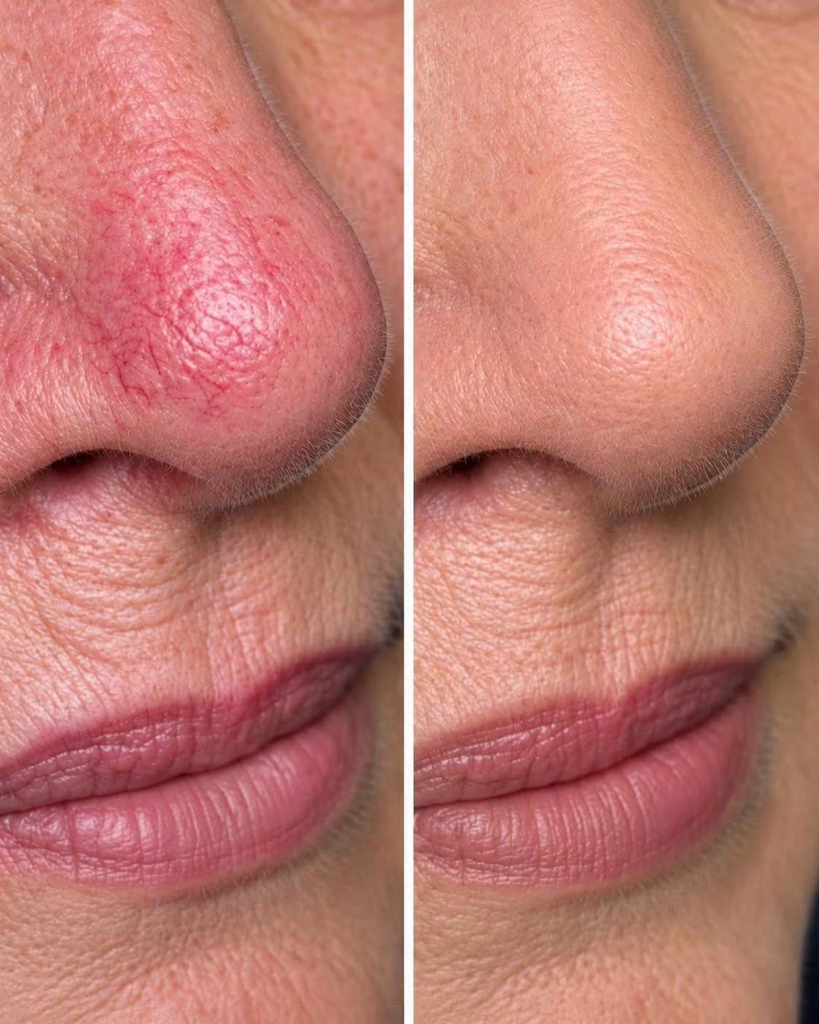
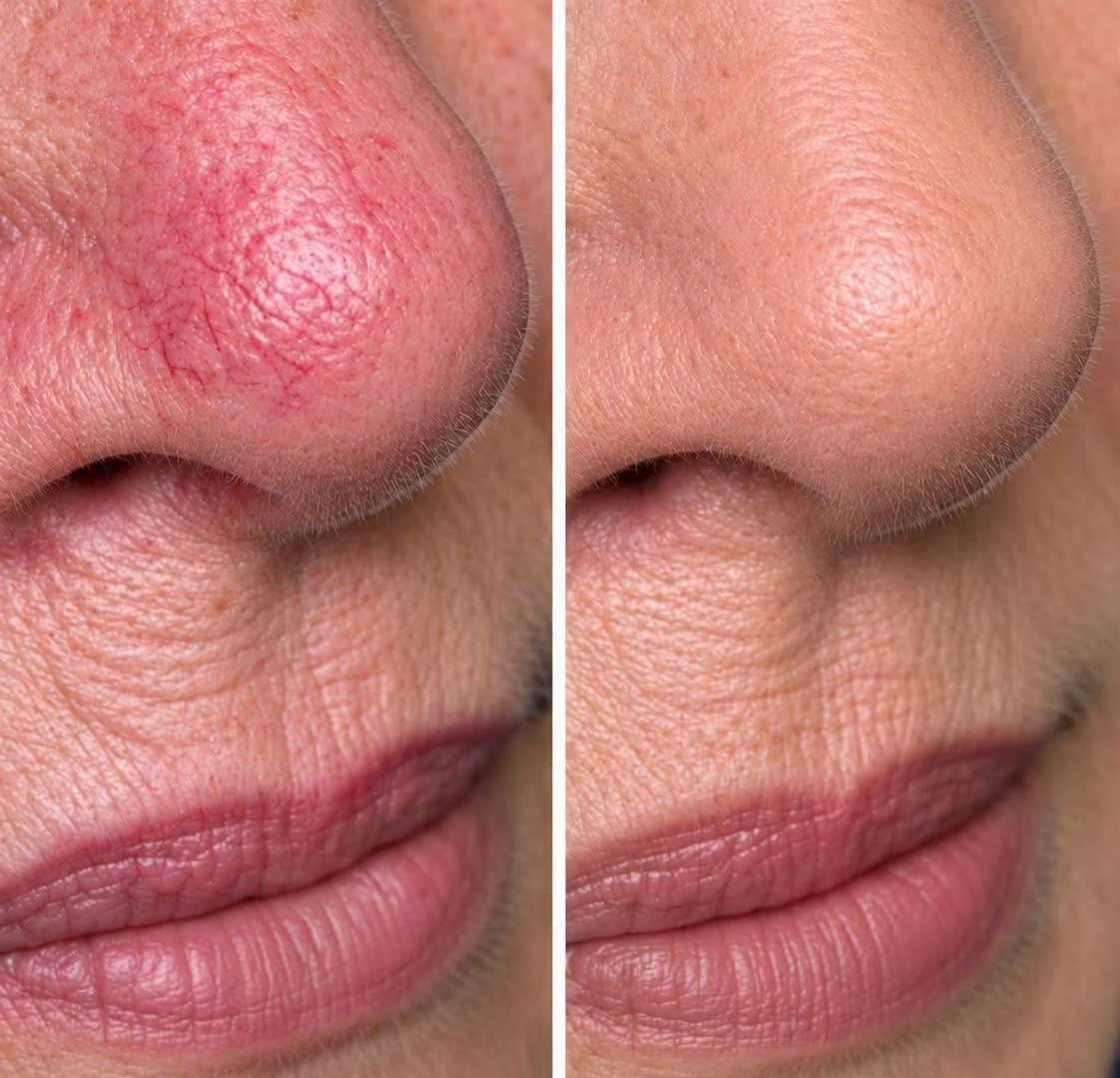
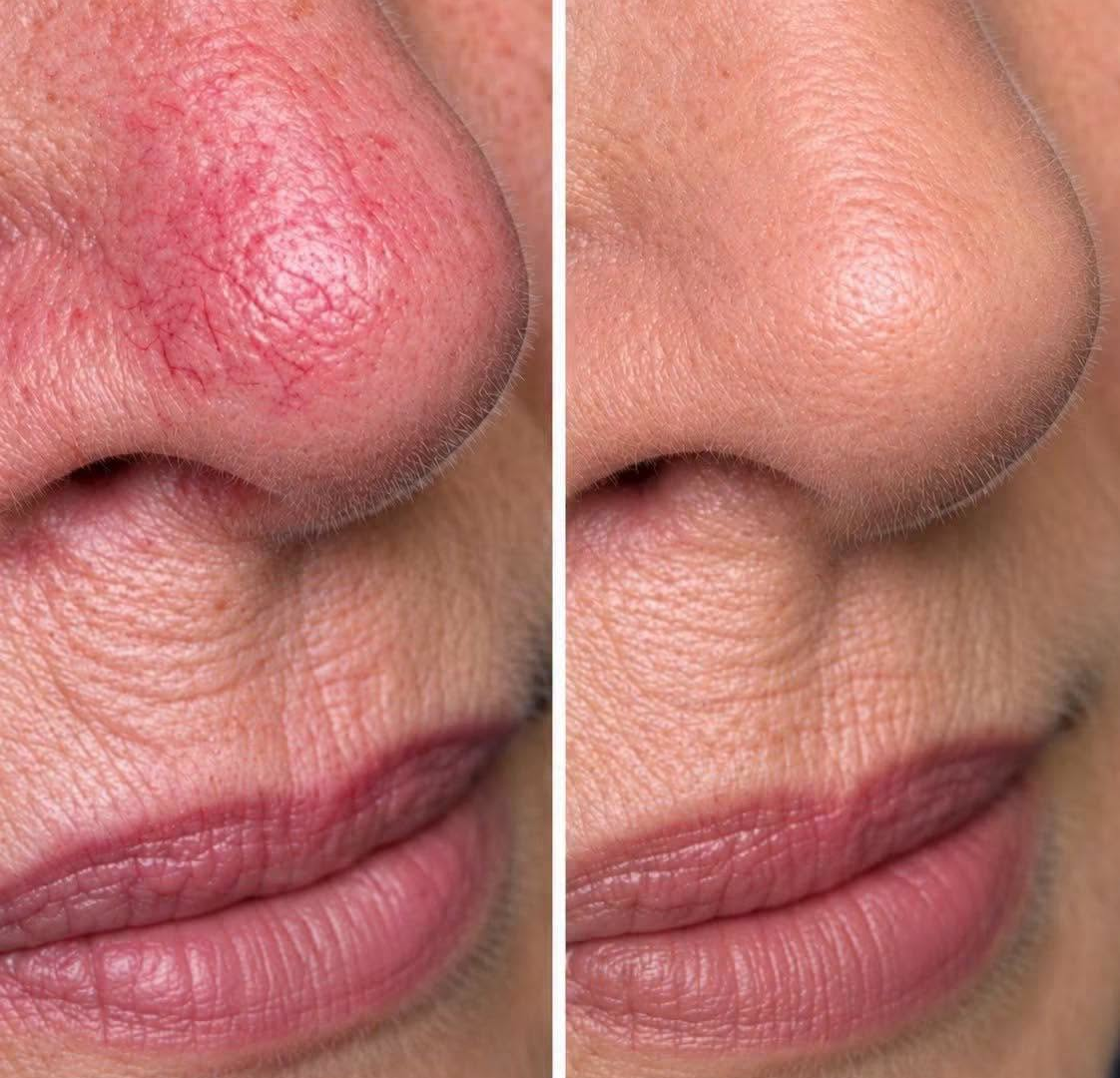
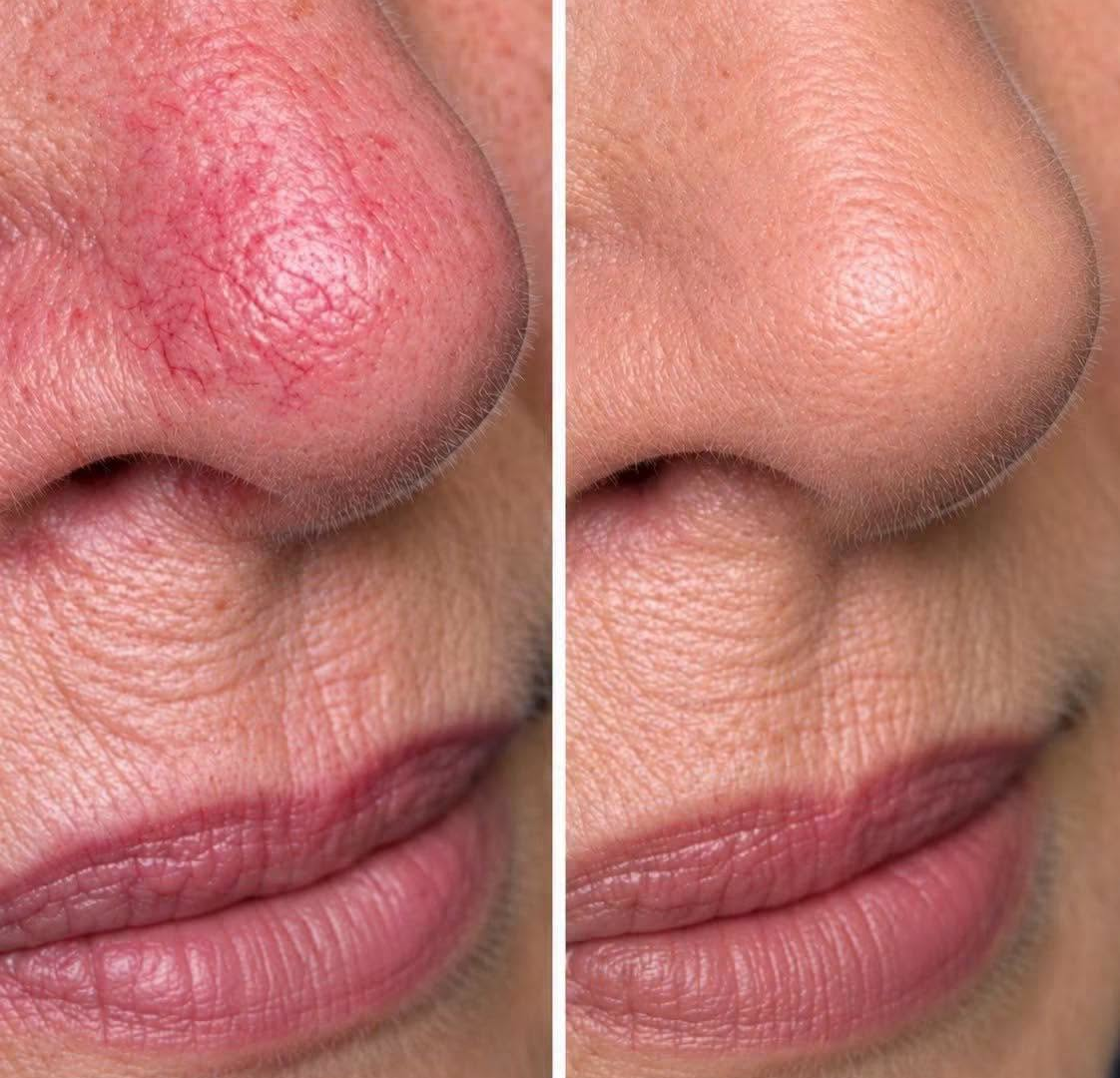
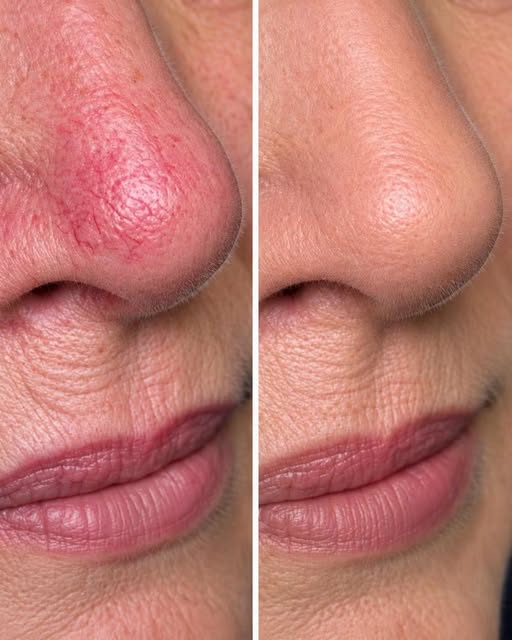
The image presents a striking before-and-after comparison of a person’s nose. On the left, the skin is inflamed, red, and marked by visible, spidery blood vessels. On the right, the skin appears calmer, with the redness significantly reduced. The caption identifies this as a sign of something, and the visual evidence points clearly to rosacea, a chronic inflammatory skin condition that affects millions of people worldwide, particularly those with fair skin.
Rosacea is not a form of acne, although it is sometimes called “acne rosacea” because of the bumps and pimples it can cause. It is a persistent disorder that primarily affects the central area of the face—the nose, cheeks, chin, and forehead—and it tends to worsen over time if left untreated. The image captures one of the hallmark features of the condition: erythematotelangiectatic rosacea, the subtype characterized by persistent redness and visible blood vessels.
What Are the First Symptoms of Rosacea?
The earliest signs of rosacea are often subtle and easy to dismiss as a temporary flush or a reaction to the weather. However, recognizing these early symptoms is crucial for seeking timely treatment and preventing progression.
Flushing and Persistent Redness
The most common early symptom is a tendency to flush or blush more easily and for longer periods than usual. This redness often begins on the cheeks and nose and may come and go initially. Over time, the redness can become permanent, making the face look as though it is constantly sunburned. The image on the left shows this chronic redness concentrated on the nose, a classic presentation of the condition.
Visible Blood Vessels (Telangiectasia)
As rosacea progresses, the small blood vessels beneath the skin can become enlarged and visible, appearing as thin red lines or a web-like pattern on the surface. The left side of the image clearly displays these dilated vessels on the nose. This is a defining feature of the erythematotelangiectatic subtype and is often one of the most distressing symptoms for patients.
Bumps and Pimples
Some people with rosacea develop red bumps or pus-filled pimples that resemble acne. However, unlike acne, these bumps do not have blackheads or whiteheads, and they are usually not painful. This is known as papulopustular rosacea.
Burning or Stinging Sensation
The skin may feel hot, burning, or stinging, particularly during a flare-up. Some people also experience itching, though it is less common.
Eye Irritation (Ocular Rosacea)
Rosacea can also affect the eyes, causing redness, burning, tearing, a gritty sensation, and inflamed eyelids. This is known as ocular rosacea and requires medical attention to prevent potential vision problems.
What Causes Rosacea and What Triggers It?
The exact cause of rosacea remains unknown, but research suggests it involves a combination of genetic and environmental factors. People with fair skin, particularly those of Irish or Northern European descent, are more susceptible. The condition is most common in adults between the ages of 30 and 50.
While the cause is unclear, the triggers that can worsen symptoms are well-documented. Avoiding these triggers is often the first line of defense in managing the condition.
Common Triggers Include:
Spicy foods
Alcohol
Hot beverages (coffee, tea)
Sunlight and wind
Extreme temperatures (both hot and cold)
Emotional stress
Hot baths or exercise
Certain cosmetics or skin products
Some medications (including topical steroids)
How Is Rosacea Treated?
There is no cure for rosacea, but it can be effectively managed with a combination of trigger avoidance and medical treatment. The right side of the image demonstrates that significant improvement is possible.
Topical Treatments
For inflammatory rosacea (bumps and pimples), doctors often prescribe topical antibiotics such as metronidazole, clindamycin, or erythromycin, as well as azelaic acid or ivermectin cream. These help reduce inflammation and control breakouts.
Oral Medications
For more severe cases, oral antibiotics like doxycycline or minocycline may be prescribed. These are typically used for a limited period to bring the condition under control.
Treatments for Redness and Visible Vessels
Persistent flushing and visible blood vessels can be treated with brimonidine gel or oxymetazoline cream, which constrict blood vessels and reduce redness. For the permanent dilated vessels seen in the image, laser therapy or electrocautery can be highly effective at removing them.
Skincare and Lifestyle
A gentle skincare routine is essential. Patients should use mild cleansers, moisturizers, and daily sunscreen, as sun exposure is a major trigger. Avoiding known triggers and managing stress can significantly reduce the frequency and severity of flare-ups.
Conclusion
The image is a clear illustration of the visible impact of rosacea and the potential for improvement with proper management. The first symptoms—flushing, persistent redness, and visible blood vessels—are often subtle but should not be ignored. Rosacea is a chronic condition that requires ongoing care, but with a combination of trigger avoidance, appropriate medical treatments, and gentle skincare, it is possible to control the symptoms and maintain healthy-looking skin. If you recognize these signs in yourself, consulting a dermatologist is the most important step toward getting the right treatment.
Frequently Asked Questions
Is rosacea the same as acne?
No. While rosacea can cause bumps and pimples that look like acne, it is a different condition. Rosacea does not cause blackheads or whiteheads, and over-the-counter acne treatments can often irritate rosacea rather than help it.
What are the first signs of rosacea?
The earliest signs are often a tendency to flush easily, persistent redness on the nose and cheeks, and the appearance of tiny, visible blood vessels. Some people also experience a burning or stinging sensation.
Can rosacea be cured?
There is no known cure for rosacea. However, it can be effectively managed with medical treatments and lifestyle changes to reduce flare-ups and control symptoms.
What triggers rosacea flare-ups?
Common triggers include spicy foods, alcohol, hot beverages, sunlight, wind, extreme temperatures, stress, and certain cosmetics. Identifying and avoiding your personal triggers is a key part of management.
When should I see a doctor for rosacea?
You should see a doctor or dermatologist if you notice persistent redness, visible blood vessels, or bumps on your face that do not improve. Early treatment can help prevent the condition from worsening. If you have eye symptoms, seek medical advice promptly.