Tiny Creatures on Eyelashes: Understanding Demodex Mites and Lice
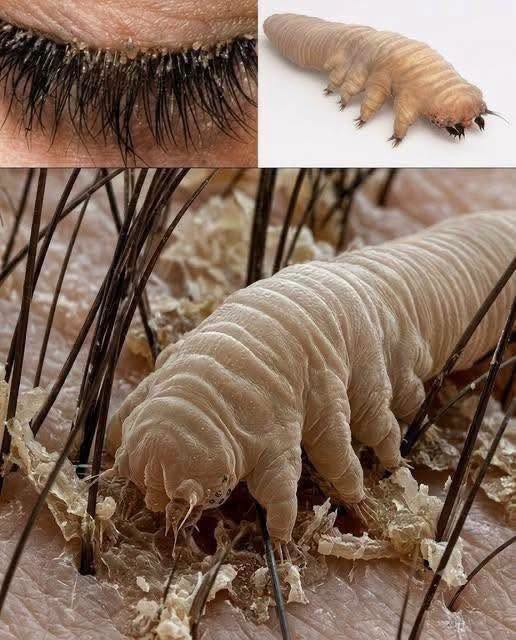
The image above shows a highly magnified view of a microscopic creature clinging to the base of an eyelash. The surrounding skin appears crusty and irritated, with the lash roots embedded in a flaky, uneven surface. For anyone who has ever zoomed in on such an image, the immediate reaction is often alarm. The idea of a living organism residing on our eyelashes sounds like the plot of a science fiction movie. However, the reality is far more common—and usually far less sinister—than it appears.
This article explores the two most likely candidates for the creatures seen in such images: Demodex mites and pubic lice (often referred to as crab lice). We will examine what these organisms are, why they choose the eyelashes as a home, how to tell them apart, and what steps to take if you suspect an infestation. It is important to remember that while these conditions can be uncomfortable, they are treatable, and having them is not a reflection of poor hygiene.
What Are Demodex Mites?
Demodex mites are microscopic arachnids, making them distant cousins to spiders and ticks. They are incredibly small, typically measuring between 0.15 and 0.4 millimeters, which means several of them could fit on the head of a pin. There are two main species that live on humans: Demodex folliculorum, which prefers the smaller hair follicles like those found in eyelashes, and Demodex brevis, which lives near the oil glands.
These mites are part of the normal human skin flora. In fact, almost everyone has them living on their skin, particularly on the cheeks, forehead, and eyelashes. They feed on skin cells and the oils produced by our bodies. For the vast majority of people, these microscopic tenants live in harmony with their hosts and cause no problems whatsoever.
When Do Demodex Mites Become a Problem?
While Demodex mites are usually harmless, they can sometimes multiply out of control and cause a condition known as demodicosis. This is more likely to happen in individuals with weakened immune systems, such as those undergoing chemotherapy or living with immunodeficiency conditions.
When the mite population explodes, it can lead to an itchy, irritating skin condition. On the eyelids, this can manifest as blepharitis, an inflammation of the eyelid margins. Symptoms can include a burning sensation, itchiness, redness, and a rough, sandpaper-like feeling on the skin. You might also notice a white sheen on your eyelashes or the presence of “collarettes”—tiny cylindrical crusts at the base of the lashes. If the condition affects the eyes, it can cause irritation, a foreign body sensation, and even loss of lashes.
What Are Pubic Lice?
The other primary candidate for a creature on an eyelash is the pubic louse, scientifically known as Phthirus pubis. These are tiny, wingless insects that are distinctly different from Demodex mites. While they are most commonly found in the pubic area, they can also infest other coarse body hair, including eyelashes, eyebrows, armpits, and chest hair.
Pubic lice are spread primarily through close person-to-person contact, often sexual contact, but they can also spread through shared clothing, bedding, or towels. When they infest the eyelashes, they can cause significant itching and irritation. The edges of the eyelids may become crusty, and you may be able to see the lice or their eggs (nits) attached to the hair shafts.
How to Tell Them Apart
Distinguishing between Demodex mites and pubic lice is difficult without a microscope, but there are some clues. Demodex mites are microscopic and usually cause symptoms related to inflammation and crusting at the lash base. Pubic lice are larger (though still very small) and are visible to the naked eye as tiny insects. If you can see the actual organism moving, it is more likely to be a louse. However, the most reliable way to know is to see a doctor or dermatologist for an accurate diagnosis.
Treating an Eyelash Infestation
If you suspect you have an infestation on your eyelashes, it is crucial to seek professional medical advice. The eyes are delicate, and many over-the-counter lice treatments are not safe for use near the eyes.
For pubic lice on the eyelashes, the CDC recommends carefully applying prescription ophthalmic-grade petrolatum ointment to the eyelid margins two to four times a day for 10 days. It is vital not to use regular petroleum jelly (like Vaseline), as it can irritate the eyes. For Demodex-related blepharitis, treatments often involve tea tree oil-based eyelid wipes, which have been shown to be effective in reducing mite counts and improving symptoms.
Preventing the Spread
If you are diagnosed with pubic lice, it is important to prevent spreading them to others. You should inform any recent sexual partners so they can be treated as well. All clothing, bedding, and towels used in the days before treatment should be machine-washed in hot water (at least 130°F) and dried on a hot cycle. Items that cannot be washed can be sealed in a plastic bag for two weeks to kill any remaining lice.
Frequently Asked Questions
Are Demodex mites dangerous? For most people, Demodex mites are harmless and do not cause any symptoms. They only become a problem if they multiply excessively, usually in people with compromised immune systems, leading to skin irritation.
How do you get pubic lice on your eyelashes? Pubic lice are usually spread through close physical contact with an infected person. In children, eyelash infestation can occur through direct contact with an infected parent or caregiver.
Can I use regular lice shampoo on my eyelashes? No. You should never use regular lice shampoos or lotions near your eyes. The CDC specifically warns against this and recommends seeing a doctor for safe treatment options, such as ophthalmic ointments.
Is it normal to have mites on your eyelashes? Yes, it is very common. Almost everyone has Demodex mites living on their skin, including their eyelashes, and they usually cause no harm.
The Bottom Line
Finding a creature on your eyelash can be unsettling, but it is a common occurrence. The vast majority of the time, it is a harmless Demodex mite that is simply part of your skin’s natural ecosystem. In rarer cases, it could be pubic lice, which require specific medical treatment. If you are experiencing symptoms like itching, crusting, or irritation around your eyes, do not panic. Avoid using harsh chemicals and consult a healthcare professional. With the right diagnosis and proper care, these conditions are easily managed, and your eyes can return to feeling comfortable and healthy.
SEO Information
1. SEO Title: Tiny Creatures on Eyelashes: Understanding Demodex Mites and Lice 2. Suggested URL Slug: demodex-mites-pubic-lice-eyelashes 3. Meta Description: Discover the truth about microscopic creatures on eyelashes. Learn about Demodex mites and pubic lice, their symptoms, and safe treatment options. 4. Primary Keyword: Demodex mites eyelashes 5. Secondary Keywords: pubic lice eyelashes, eyelash mites, blepharitis causes, eyelash infestation treatment, Demodex folliculorum 6. Suggested Image Alt Text: A highly magnified view of a microscopic organism attached to the base of human eyelashes, illustrating a case of eyelash mites or lice.