Understanding Bone Health: What Happens Inside Our Joints
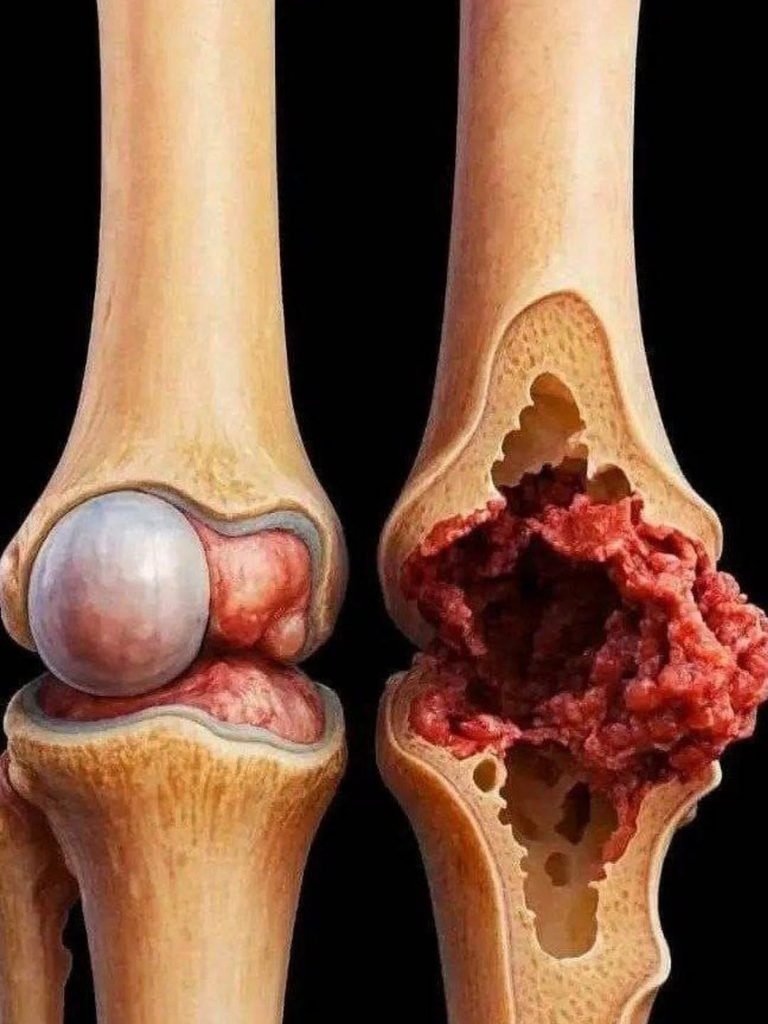
The image above shows a striking comparison between a healthy joint and one that has been severely damaged. On the left, the bone surfaces are smooth, and the joint space is clear. On the right, the bone structure has been hollowed out, and the space is filled with rough, red tissue. This illustrates the dramatic changes that can occur in our bones and joints over time. Understanding these changes is the first step toward protecting our mobility and overall health.
What Causes Joint Damage?
Joint damage can result from several factors. The most common is osteoarthritis, a condition where the protective cartilage that cushions the ends of bones gradually wears away. Without this cushion, bones rub against each other, causing pain, stiffness, and further damage. Other causes include inflammatory conditions like rheumatoid arthritis, injuries, and long-term wear and tear from physical labor or sports.
The Role of Lifestyle
Our daily habits play a significant role in joint health. A diet lacking essential nutrients can weaken bones over time. Lack of physical activity can lead to stiffness and muscle weakness, which puts more stress on the joints. On the other hand, regular, low-impact exercise helps keep joints lubricated and strengthens the muscles that support them.
The Importance of Sleep and Recovery
Quality sleep is often overlooked when it comes to joint health. During sleep, the body repairs tissues and reduces inflammation. Poor sleep can increase inflammation and make pain more noticeable. Creating a comfortable sleep environment and maintaining a consistent sleep schedule can support your body’s natural recovery processes.
Nutrition for Strong Bones
Certain nutrients are essential for bone and joint health. Calcium and vitamin D are well-known for supporting bone density. Magnesium helps with calcium absorption and muscle function. Omega-3 fatty acids, found in fish and flaxseed, can help reduce inflammation. A balanced diet rich in fruits, vegetables, and lean proteins provides the building blocks for healthy bones.
When to Seek Help
If you experience persistent joint pain, stiffness, or swelling, it is important to see a doctor. Early diagnosis and treatment can help manage symptoms and prevent further damage. Treatment options may include physical therapy, medications, or in some cases, surgery. Do not ignore the signals your body is sending you.
Protecting Your Joints for the Future
Taking care of your joints is a lifelong commitment. Stay active, eat well, get enough sleep, and listen to your body. Small, consistent choices can make a big difference in maintaining healthy bones and joints as you age.
Your mobility is precious. Start taking care of your joints today.