Why That Milk Jug Dent Exists: The Secret You Never Noticed
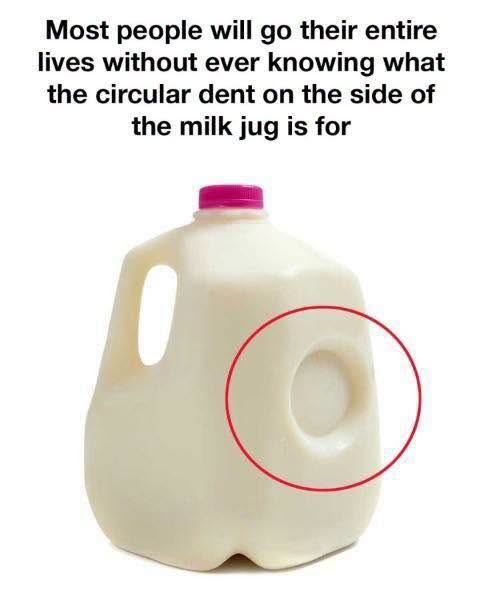
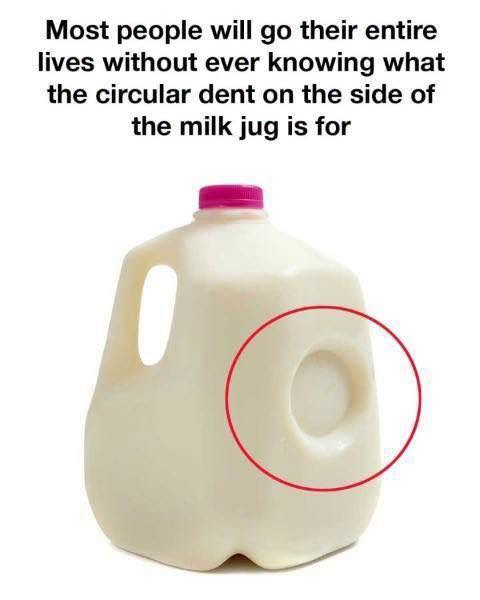
The plastic gallon jug is one of the most familiar objects in the American kitchen, yet it harbors a small design mystery that most people have looked at thousands of times without ever questioning. On the side of nearly every standard milk jug, opposite the handle, there is a circular indentation—a concave dimple stamped into the high-density polyethylene. It looks like a manufacturing accident or a decorative flourish, and for years, internet rumors have claimed it is a built-in freshness indicator that pops outward when the milk spoils.
That rumor is false. The dent is not a spoilage sensor, and it does not change shape to warn you that your milk has turned. Instead, the circular indentation is a clever piece of industrial engineering that solves two very practical problems: it allows manufacturers to precisely control the volume of the jug as the plastic shrinks and expands with temperature changes, and it gives the thin plastic walls enough structural rigidity to survive the journey from the dairy to your refrigerator without buckling, bursting, or spilling. Understanding why this small feature exists reveals a surprising amount about how modern food packaging balances cost, durability, and the simple expectation that a jug of milk should look full when you buy it.
The Spoilage Myth: Why the Dent Does Not Pop Out
Before examining the real purpose of the indentation, it is worth addressing the persistent myth that has attached itself to this feature. A viral social media claim has circulated for years asserting that the circular dent is a freshness indicator: when the milk inside spoils, bacteria produce gas, the pressure builds, and the indentation pops outward like a tiny balloon, signaling that the contents have gone bad.
This theory sounds plausible, but it does not hold up to scrutiny. According to food science experts, the bacteria that typically spoil refrigerated milk are not reliable gas producers. When milk is kept cold, spoilage is usually caused by bacteria that break down fats and proteins, creating the sour smell and off-flavors associated with old milk. These bacteria generally do not generate the volume of gas required to force a plastic indentation to invert. A jug could contain thoroughly spoiled milk while the dent remains perfectly concave. While gas-producing bacteria can exist, they grow very slowly at refrigeration temperatures; significant gas buildup is more likely if the milk has been temperature-abused or contaminated after opening, not simply because it is past its date.
In short, the dent is not a built-in freshness test. Relying on it to determine whether milk is safe to drink would be a mistake. The real reasons for its existence are entirely industrial.
The Primary Purpose: Controlling Volume as Plastic Shrinks
The most important function of the circular indentation is volume control during manufacturing. Plastic milk jugs are made from high-density polyethylene (HDPE), a material that shrinks slightly after it is molded. The amount of shrinkage is not constant; it varies with temperature, and plastic shrinks more in hot conditions than in cold ones. This creates a dilemma for dairy producers. If a jug is molded to hold exactly one gallon in a cold factory, it might shrink and hold slightly less by the time it reaches a warm truck or a summer warehouse, causing milk to overflow during filling. If the jug is made large enough to account for maximum shrinkage, it will look underfilled when the plastic does not shrink as much, and consumers are reluctant to buy a jug that appears to contain less than they are paying for.
The solution is the interchangeable volume insert that creates the circular indentation. Manufacturers can adjust the size and depth of the dent to change the internal volume of the jug without altering the base mold. A slightly deeper dent reduces the volume; a shallower dent increases it. This allows producers to fine-tune the capacity of the jug to match seasonal temperature variations and ensure that the container holds precisely the intended amount of milk—typically one gallon—while still appearing full to the consumer. As one industry executive explained to USA Today, “People who buy milk jugs, they want them to be full”. The dent is the mechanism that makes that expectation possible across different temperatures and production conditions.
Structural Integrity: Keeping Thin Plastic Strong
The second major function of the indentation is structural. A gallon of milk is heavy, and the plastic walls of a standard jug are remarkably thin. Without reinforcement, a large flat panel of thin HDPE would be prone to bulging, sagging, or buckling under the weight and movement of the liquid inside. The circular dent acts as a structural rib, stiffening the sidewall and helping the jug maintain its shape.
This reinforcement provides several practical benefits. First, it allows manufacturers to use less plastic per jug while still producing a container that is strong enough to stack, ship, and handle. Even a tiny reduction in material thickness translates into significant savings across millions of units, and the dent makes that reduction possible without sacrificing performance. Second, the flexibility provided by the dent gives the jug a small amount of “give” if it is dropped or bumped. When a full jug hits the floor, the liquid inside momentarily shifts and expands; the indentation can flex outward to accommodate that pressure, reducing the chance that the jug will split or rupture. Third, the dent helps the jug tolerate the minor pressure changes that occur during transport and refrigeration, preventing the container from ballooning or collapsing in ways that could compromise its integrity or the safety of the milk inside.
A Brief Note on Freezing and Other Misconceptions
Because the dent provides a degree of flexibility, some sources have suggested that it exists to allow milk to expand safely if the jug is placed in the freezer. While the indentation does provide some extra room for expansion, this is a secondary side effect rather than a primary design goal. Freezing milk is not a standard storage practice, and the dent is not specifically engineered to accommodate the significant expansion that occurs when water in milk turns to ice. The flexibility is useful, but the core purposes remain volume control and structural support.
Another minor point worth clarifying is that the dent is not a sign that the jug has been damaged or that the milk is compromised. A jug with a popped-out dent has likely been dropped or subjected to unusual pressure, but the milk inside is not necessarily spoiled. The indentation’s shape is not a reliable diagnostic tool for freshness; it is a manufacturing feature, not a sensor.
Conclusion: A Small Feature with a Large Job
The circular dent on a plastic milk jug is one of those quiet design solutions that most people never notice but would miss if it disappeared. It is not a freshness indicator, and it does not pop out when the milk goes bad. Instead, it is a precisely engineered feature that allows manufacturers to adjust the volume of the jug as the plastic shrinks and expands, ensuring that the container holds the correct amount of milk and still looks full when it reaches the shelf. At the same time, it stiffens thin plastic walls, reduces material costs, and gives the jug enough flexibility to survive the minor shocks of transport and handling. The next time you pick up a gallon of milk, that small indentation is worth a moment of appreciation: it is a tiny piece of engineering that helps keep your milk contained, your jug intact, and your purchase looking exactly as it should.
Frequently Asked Questions
Does the dent on a milk jug pop out when the milk spoils?
No. This is a persistent myth. The bacteria that spoil refrigerated milk typically do not produce enough gas to invert the indentation. A popped-out dent is more likely the result of a drop or temperature abuse, not a reliable sign of spoilage.
Why do milk jugs have a circular indent?
The indent serves two main purposes. First, it acts as an interchangeable volume insert, allowing manufacturers to adjust the jug’s capacity as the plastic shrinks or expands with temperature changes, ensuring the jug looks properly full. Second, it adds structural rigidity to the thin plastic walls, preventing bulging and reducing the risk of rupture.
Is it safe to drink milk from a jug with a popped-out dent?
A popped-out dent does not necessarily mean the milk is spoiled. It may simply indicate that the jug was dropped or subjected to pressure changes. Check the milk’s expiration date and smell it to determine freshness; do not rely on the dent alone.
Can I freeze milk in the plastic jug because of the dent?
While the dent provides some flexibility, freezing milk in the standard plastic jug is not recommended as a primary storage method. The expansion of freezing liquid can still cause the jug to crack or leak. If you need to freeze milk, transfer it to a freezer-safe container.
Do all plastic milk jugs have this indent?
Most standard plastic milk jugs in the United States feature some form of indentation, as it is a common manufacturing practice. The size and shape may vary slightly between producers, but the functional purpose remains the same.