5 Signs of a Mini Stroke in the Elderly: Recognizing the Warning Before It’s Too Late
A mini stroke, medically known as a transient ischemic attack (TIA), is often described as a “warning stroke.” It occurs when blood flow to a part of the brain is temporarily blocked, causing symptoms that mimic a full stroke but typically resolve within minutes to hours . For elderly individuals, recognizing these fleeting signs is not just important—it can be life-saving. A TIA is a critical alert that a major stroke may be imminent, with research indicating that a significant proportion of people who experience a TIA will have a full stroke within a year if the warning is ignored .
The challenge with mini strokes is their transient nature. Symptoms often vanish as quickly as they appear, leading many older adults to dismiss them as a momentary dizzy spell or a touch of fatigue. However, a TIA is a medical emergency that demands immediate attention, even if the symptoms have already passed . Understanding the five key signs, particularly in the elderly population, empowers families and caregivers to act swiftly and seek the care that can prevent a devastating event.
Understanding the Nature of a Mini Stroke
Before examining the specific signs, it is helpful to understand what is happening in the body during a TIA. The brain requires a constant supply of oxygen-rich blood. In a TIA, a clot or debris briefly blocks an artery, depriving a region of the brain of blood. Unlike a full stroke, where the blockage persists and causes permanent tissue death, the blockage in a TIA resolves on its own, allowing blood flow to return .
This temporary disruption is why the symptoms are fleeting. They can last for a few minutes, an hour, or occasionally up to 24 hours, but they do not cause lasting brain damage on imaging scans . The danger lies in what the TIA represents: an unstable vascular system that is highly likely to produce another, more permanent blockage. The National Institute of Neurological Disorders and Stroke emphasizes that there is no immediate way to tell whether symptoms are from a TIA or a full stroke, making every episode a potential emergency .
Sign 1: Sudden Weakness or Numbness on One Side
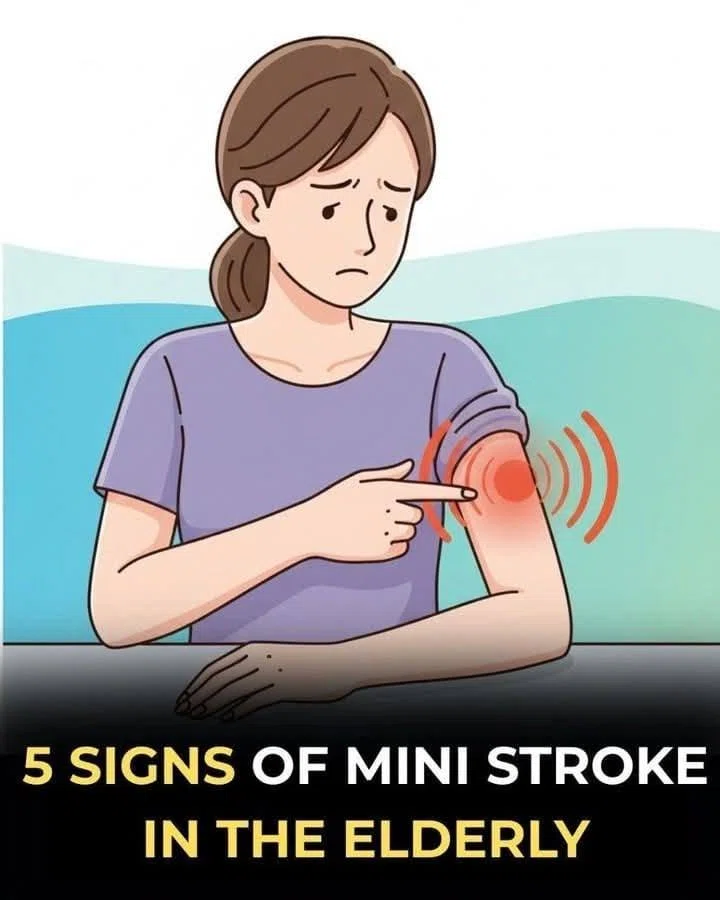
The most common and recognizable sign of a mini stroke is a sudden onset of weakness, numbness, or paralysis affecting one side of the body. This typically involves the face, arm, or leg . An elderly person might suddenly find that they cannot lift one arm, that their grip has become weak, or that one side of their face feels heavy or droops.
This one-sided presentation is a hallmark of stroke and TIA because the brain’s motor and sensory pathways cross over, meaning a blockage on one side of the brain affects the opposite side of the body. The NHS’s FAST test highlights this: “Face” for facial drooping and “Arms” for the inability to lift both arms and keep them raised . Even if the weakness fades within minutes, it is a red flag that cannot be ignored. For caregivers, noticing a sudden asymmetry in a loved one’s movement or expression is a cue to act immediately.
Sign 2: Difficulty Speaking or Understanding Language
Another critical sign is a sudden change in the ability to communicate. This can manifest as slurred speech, garbled words, or difficulty finding the right words to say. Equally important is difficulty understanding what others are saying . An elderly person experiencing a TIA might appear confused during a conversation, struggle to follow simple instructions, or speak in a way that is noticeably different from their normal pattern.
The “Speech” component of the FAST acronym is a vital tool for recognition . If you ask a loved one to repeat a simple sentence and their words are slurred or jumbled, it is a medical emergency. This symptom reflects a disruption in the brain’s language centers, which are often located in the left hemisphere. Because communication is fundamental to daily life and safety, any sudden impairment in speech or comprehension warrants an immediate call for emergency services, even if it resolves quickly.
Sign 3: Vision Problems in One or Both Eyes
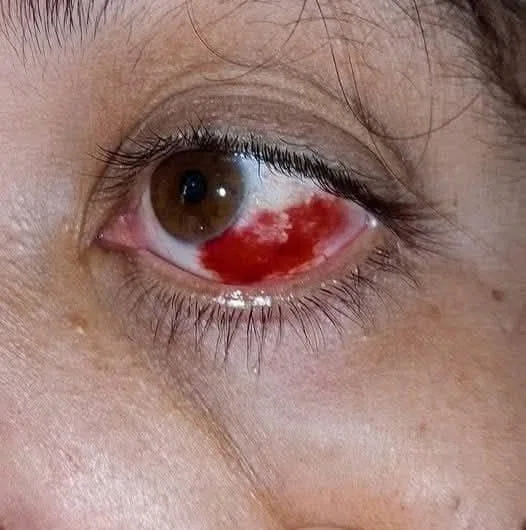
Sudden visual disturbances are a frequently overlooked sign of a mini stroke. These can include blurred vision, double vision, or a temporary loss of vision in one eye, sometimes described as a “curtain” coming down over the field of sight . For elderly individuals, it is tempting to attribute these changes to aging, eye strain, or a need for new glasses. However, when vision changes occur suddenly and without explanation, they can be a direct result of reduced blood flow to the brain’s visual processing areas or the optic nerve.
A TIA affecting the ophthalmic artery can cause transient monocular blindness, a temporary loss of vision in one eye . The Barrow Neurological Institute lists blindness in one or both eyes and double vision among the key symptoms of a TIA . Any sudden, painless loss or alteration of vision should be treated with the same urgency as weakness or speech difficulties. It is a clear signal that the brain is not receiving adequate blood supply.
Sign 4: Dizziness, Loss of Balance, and Coordination Issues
While dizziness is a common complaint among older adults with many potential causes, a sudden onset of severe dizziness, loss of balance, or difficulty walking is a significant warning sign of a TIA. This is not the mild unsteadiness that comes from standing up too quickly; it is an abrupt inability to maintain equilibrium or coordinate movements .
An elderly person might suddenly feel as though the room is spinning, struggle to walk in a straight line, or experience a sensation of clumsiness in their limbs. The National Institute of Neurological Disorders and Stroke lists problems with walking, dizziness, and loss of balance and coordination as core symptoms . The HSE in Ireland also advises calling emergency services immediately for sudden dizziness, problems with balance and coordination, or vertigo . These symptoms indicate that the areas of the brain responsible for balance and motor control are being affected by a temporary lack of blood flow.
Sign 5: Sudden Confusion or Severe Headache
The fifth sign encompasses sudden cognitive changes or an unusual headache. A person may experience a sudden onset of confusion, difficulty understanding what is happening around them, or a feeling of mental “fog” . This can be particularly subtle in the elderly, who may be attributed to normal age-related memory lapses. However, stroke-related confusion appears abruptly and represents a distinct change from the person’s baseline mental state.
Additionally, a sudden, severe headache without a known cause—sometimes described as the worst headache of one’s life—can be a symptom of a TIA or stroke . While not every TIA involves a headache, the presence of an unfamiliar, intense head pain alongside any other neurological symptom is a serious cause for concern. The combination of confusion and headache can be disorienting for the patient and alarming for family members, but it is essential to remain calm and seek emergency medical help without delay.
Conclusion: Time is Brain
The five signs of a mini stroke—sudden one-sided weakness or numbness, speech difficulties, vision changes, balance problems, and sudden confusion or headache—are the body’s urgent warnings. For the elderly, who are at a higher risk for both TIA and subsequent stroke, recognizing these signs is a critical skill for family members and caregivers . The transient nature of the symptoms is a trap; their disappearance does not mean the danger has passed. It means the warning has been delivered.
The FAST acronym (Face, Arms, Speech, Time) serves as a simple, memorable tool for identifying the most common signs, but it is important to be aware of the other symptoms as well . The single most important action is to call emergency services immediately, regardless of whether the symptoms have resolved. A TIA is a medical emergency that requires urgent evaluation to determine the cause and to initiate treatment that can drastically reduce the risk of a major, disabling stroke. When it comes to a mini stroke, time is brain—and swift action is the best defense.
Frequently Asked Questions
What is the difference between a mini stroke and a full stroke?
A mini stroke (TIA) involves a temporary blockage of blood flow to the brain, with symptoms that typically resolve within minutes to hours and do not cause permanent brain damage. A full stroke involves a prolonged blockage that results in permanent tissue death and lasting disability .
Do mini stroke symptoms always go away?
Yes, by definition, TIA symptoms resolve on their own, usually within an hour, though they can last up to 24 hours. However, the fact that they disappear does not mean the event was harmless; it is a serious warning sign of a future stroke .
Should I go to the hospital if the symptoms have already stopped?
Yes, absolutely. A TIA is a medical emergency. Even if symptoms have resolved, you should seek immediate medical evaluation to determine the cause and begin preventive treatment. The risk of a major stroke is highest in the days and weeks following a TIA .
Are mini strokes more common in the elderly?
Yes, the risk of TIA increases with age. They are more common in older adults, particularly those with risk factors such as high blood pressure, diabetes, and atherosclerosis .
Can a mini stroke be prevented?
While not all TIAs can be prevented, the risk can be significantly reduced by managing underlying conditions such as hypertension, diabetes, and high cholesterol, maintaining a healthy lifestyle, and taking prescribed medications. Recognizing and treating a TIA promptly is a crucial step in preventing a subsequent major stroke.