Understanding the Health Effects of a Sexless Period
The image above poses a question that many people wonder about but rarely discuss openly: what happens to your body when you stop making love? This is a sensitive topic, and it is important to approach it with accurate information and respect. While abstinence is a personal choice and can be part of a healthy life, a prolonged lack of sexual activity can have certain effects on the body and mind. It is important to note that these effects vary greatly from person to person.
Physical Effects
When a person stops engaging in sexual activity, the body may experience some physical changes. For some, this can include a decrease in libido. The body may become less responsive to sexual cues over time. For women, a lack of sexual activity can sometimes lead to vaginal dryness or a tightening of the vaginal muscles, which can make future intercourse uncomfortable. For men, it may affect the quality of erections. However, these changes are not universal and can often be reversed when sexual activity resumes.
Emotional and Mental Effects
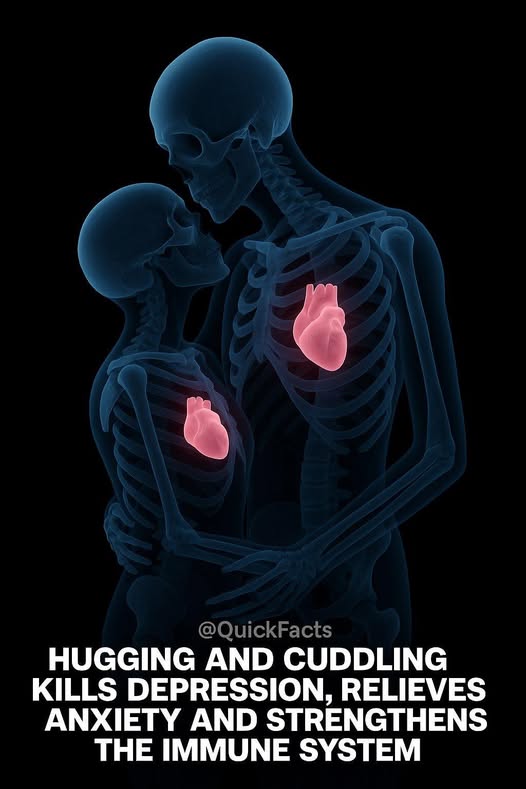
Sexual activity releases hormones like oxytocin and endorphins, which promote feelings of bonding, relaxation, and well-being. When this activity stops, some people may experience an increase in stress or anxiety. They may also feel a decrease in mood or a sense of loneliness. Intimacy with a partner can be an important source of emotional support. A lack of it can affect a person’s emotional state.
The Importance of Individual Factors
It is crucial to remember that every person is different. Many people live happy and healthy lives without regular sexual activity. The effects depend on the individual’s age, overall health, relationship status, and personal desires. For some, a sexless period is a choice. For others, it is a circumstance. There is no single “normal” experience.
The Bottom Line
A lack of sexual activity can have some physical and emotional effects, but they are not the same for everyone. The most important thing is to listen to your body and your feelings. If you are concerned about any changes, or if you are struggling with your emotional well-being, it is a good idea to talk to a healthcare professional or a therapist. They can provide guidance and support.
What are your thoughts on this topic? Share your perspective in the comments below.