Understanding Life After Gallbladder Removal and Alternatives to Surgery
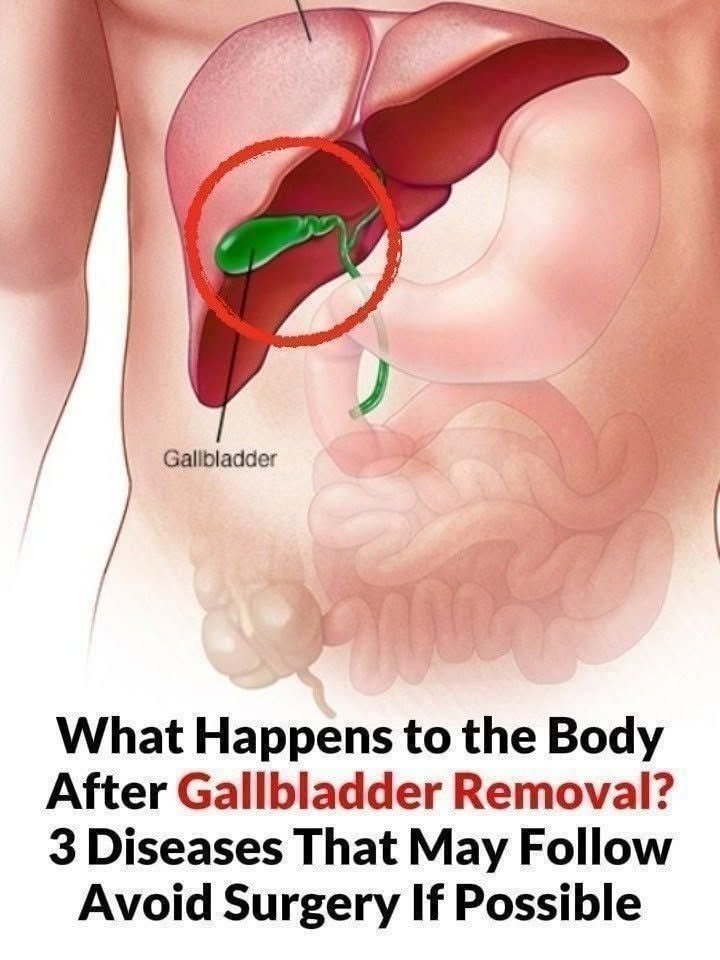
The image above shows the human digestive system, highlighting the gallbladder. The text below claims that after gallbladder removal, three diseases may follow, and suggests avoiding surgery if possible. This is a common concern for many people facing gallbladder issues. It is important to understand what the gallbladder does and what to expect if it is removed.
What Does the Gallbladder Do?
The gallbladder is a small, pear-shaped organ located under the liver. Its main job is to store and concentrate bile, a fluid produced by the liver to help digest fats. When you eat, the gallbladder contracts and releases bile into the small intestine. This helps your body break down fatty foods.
Why Might the Gallbladder Need to Be Removed?
Gallbladder removal, known as cholecystectomy, is a common surgery. It is usually recommended when gallstones cause pain, inflammation, or blockage. Gallstones are hard deposits that can form in the gallbladder. They can cause severe pain, nausea, and other symptoms. In some cases, they can lead to serious complications like pancreatitis .
What Happens After Gallbladder Removal?
After the gallbladder is removed, the liver continues to produce bile. However, instead of being stored in the gallbladder, the bile flows directly into the small intestine. This means the body can still digest food, but it may have a harder time processing large amounts of fat at once. Some people experience digestive changes after surgery.
Common Digestive Changes
Many people do not experience any long-term problems after gallbladder removal. However, some may have temporary or ongoing digestive issues. These can include diarrhea, bloating, gas, and indigestion, especially after eating fatty meals. These symptoms usually improve over time as the body adjusts. Eating smaller, more frequent meals and avoiding high-fat foods can help.
Potential Long-Term Risks
While most people recover well, some studies suggest a link between gallbladder removal and certain conditions. These may include an increased risk of certain digestive issues or changes in bile flow. However, these risks are generally low, and the benefits of surgery often outweigh the risks for people with severe gallbladder problems.
When to Consider Alternatives
Surgery is not always the only option. For people with mild symptoms or gallstones that are not causing problems, a doctor may recommend monitoring or lifestyle changes. A low-fat diet, weight management, and regular exercise can help reduce the risk of gallstones. In some cases, medications can be used to dissolve gallstones, but this is not always effective and stones may return.
When Surgery Is Necessary
If you have severe pain, recurring gallstone attacks, or complications like infection or blockage, surgery is often the best choice. Delaying surgery in these cases can lead to more serious problems. It is important to discuss your options with a doctor. They can help you weigh the risks and benefits.
The Bottom Line
Gallbladder removal is a common and generally safe procedure. Most people are able to live normal, healthy lives without a gallbladder. While some digestive changes may occur, they are usually manageable. If you are facing gallbladder surgery, talk to your doctor about your concerns. They can provide personalized advice and help you make an informed decision.
Your health is important. Make sure you understand all your options before deciding on surgery.