The Health Benefits of Magnesium: What You Need to Know
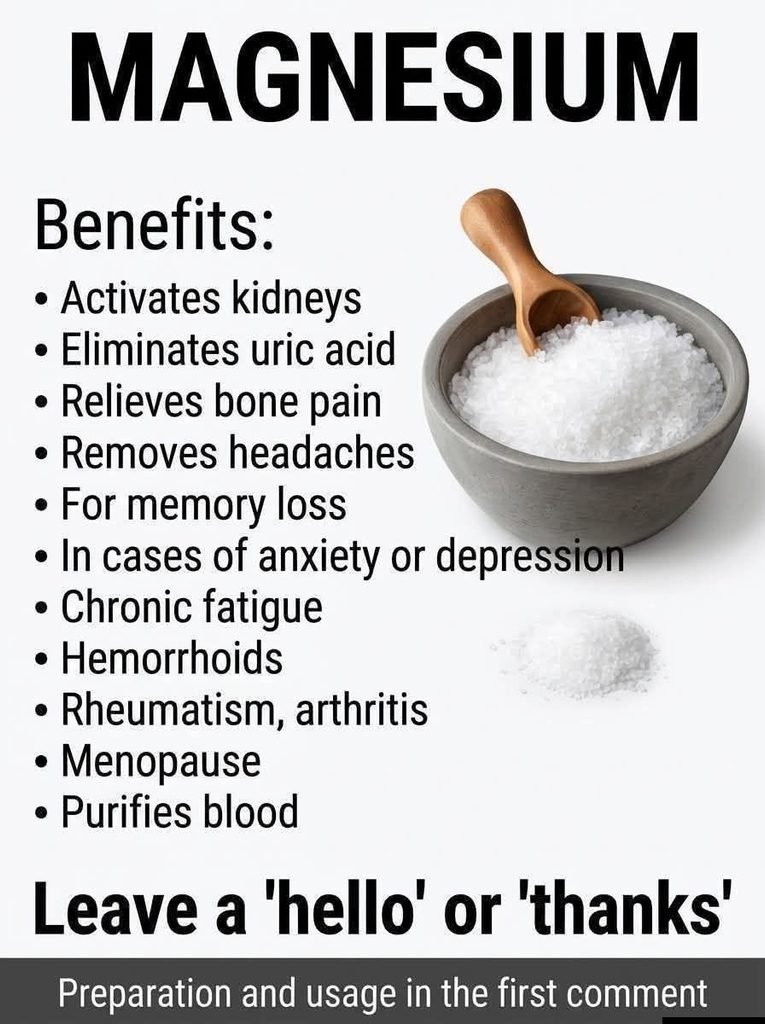
Magnesium is an essential mineral that plays a vital role in many bodily functions. It is involved in over 300 biochemical reactions, including energy production, muscle function, and nerve signaling. The image above lists several potential benefits of magnesium, ranging from kidney support to pain relief. While magnesium is important for overall health, it is essential to understand what it can and cannot do.
What Is Magnesium?
Magnesium is a naturally occurring mineral found in many foods, including leafy green vegetables, nuts, seeds, and whole grains. It is also available as a dietary supplement. The body needs magnesium to maintain healthy muscles and nerves, support the immune system, and keep bones strong.
Potential Benefits of Magnesium
Magnesium has been studied for its role in various health conditions. Some research suggests it may help with muscle cramps, bone health, and headaches. It is also important for heart health and blood sugar regulation. However, it is not a cure-all. The claims listed in the image, such as eliminating uric acid or purifying blood, should be approached with caution. While magnesium supports many bodily processes, it is not a standalone treatment for serious medical conditions.
Magnesium and Kidney Health
The kidneys help regulate magnesium levels in the body. While magnesium is necessary for kidney function, people with kidney disease should be careful with supplements. Too much magnesium can be harmful if the kidneys are not functioning properly. Always consult a doctor before taking magnesium supplements if you have kidney issues.
Magnesium for Pain and Inflammation
Some people use magnesium to help with bone pain, headaches, and inflammation. While it may provide relief for some, it is not a proven cure for conditions like arthritis or rheumatism. A balanced diet and proper medical care are essential for managing these conditions.
Magnesium and Mental Health
Magnesium has been linked to mood regulation and may help with anxiety and depression. Some studies suggest that adequate magnesium levels can support mental well-being. However, it is not a substitute for professional mental health treatment.
How to Get Enough Magnesium
The best way to get magnesium is through a balanced diet. Foods rich in magnesium include spinach, almonds, cashews, peanuts, and black beans. If you are considering a supplement, talk to your doctor about the right dosage for your needs.
Safety and Precautions
While magnesium is generally safe, taking too much can cause digestive issues like diarrhea and nausea. In severe cases, it can lead to more serious problems. Always follow the recommended dosage and consult a healthcare professional before starting any new supplement.
The Bottom Line
Magnesium is an important mineral with many health benefits. It supports muscles, nerves, and bones. However, it is not a miracle cure. A healthy diet, regular exercise, and professional medical care are the best ways to stay healthy. If you have specific health concerns, talk to your doctor about whether magnesium is right for you.
Your health is important. Stay informed and make choices based on reliable information.